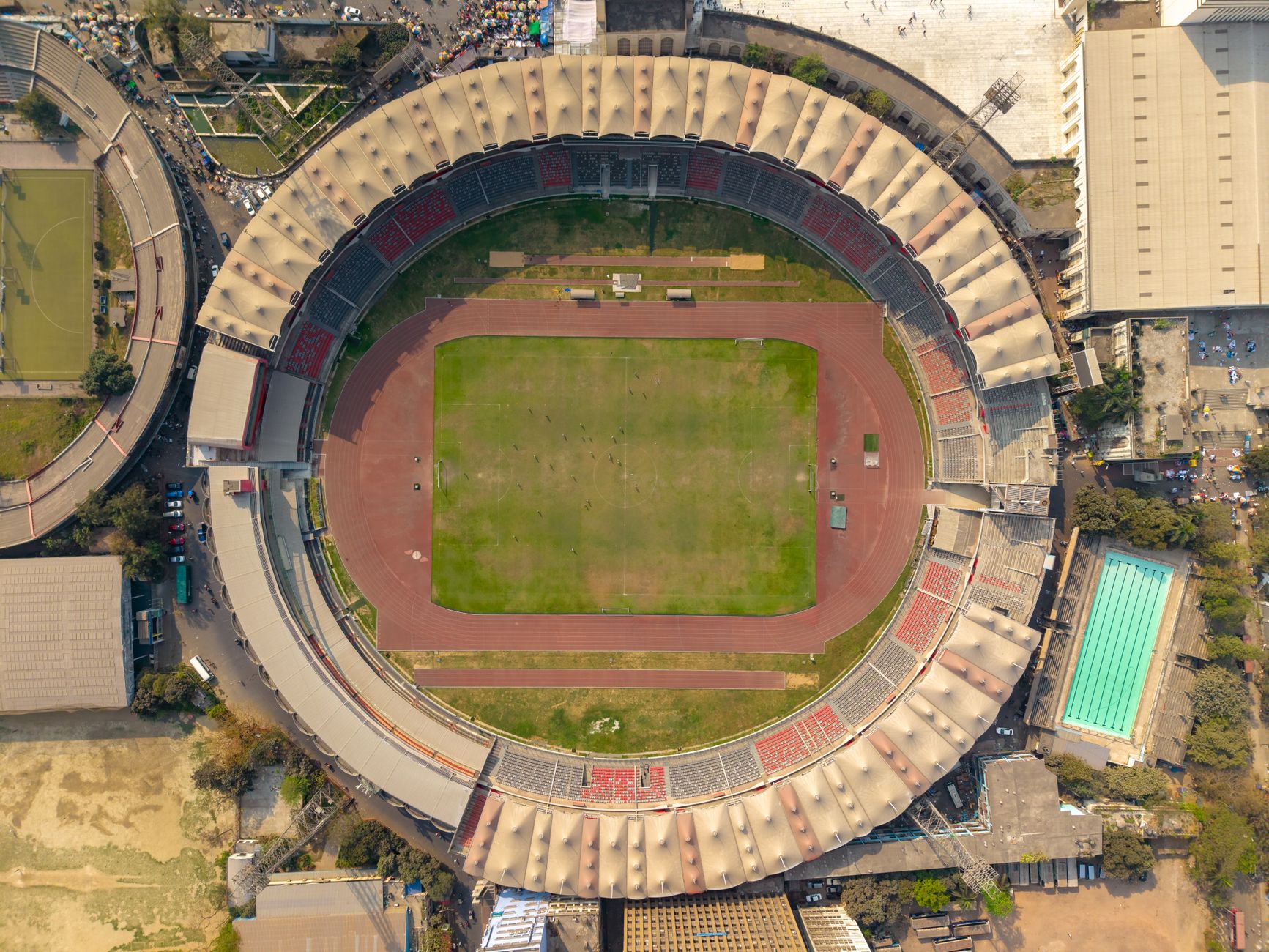
Walk through the early-morning hours in Zamalek or Heliopolis, and you'll spot something increasingly familiar: clusters of residents gathering at neighbourhood pitches, courts and pools, kits in hand, ready for the week ahead. Cairo's amateur sports scene is experiencing a renaissance that extends far beyond the glittering stadia of professional clubs, with local organisations reporting unprecedented membership growth and community engagement.
The shift reflects a broader pattern across Egypt's capital. Membership fees at established amateur clubs like those operating near the Gezira Sporting Club and throughout Garden City have risen by an estimated 40 per cent over the past three years, according to figures from informal surveys conducted among club administrators. A basic football league membership now costs between 800 and 1,500 Egyptian pounds annually—a modest investment that opens doors to organised competitive play, coaching access, and something equally valuable: genuine community connection.
What's driving this growth isn't hard to identify. Local clubs have become increasingly sophisticated in how they organise themselves. The proliferation of WhatsApp groups, simple league tables shared via spreadsheets, and neighbourhood-based tournament structures has democratised access to competitive sport in ways that seemed impossible a decade ago. A weekend volleyball tournament in Nasr City might draw thirty teams. A five-a-side football league in Maadi runs continuously from October through May, with rotating fixtures across three different pitches.
The social dimension proves equally significant. These clubs serve as gathering points for professionals, students, and families who might otherwise remain disconnected. A swimming club operating near the Nile in Dokki, for instance, has expanded its membership base to include not just competitive swimmers but elderly residents joining aquatic fitness sessions. The monthly cost—roughly 300 pounds—remains accessible even as it funds coaching and maintenance.
Club administrators report that retention rates have improved alongside investment in basic infrastructure: proper marking of pitches, functioning lights for evening fixtures, and volunteer-run canteens offering affordable refreshments. These unglamorous details matter considerably to the Cairo resident balancing work, family, and the desire for regular physical activity and social interaction.
The phenomenon extends across income levels. While some clubs in upscale neighbourhoods charge premium fees, community centres in Bulaq and Shubra operate on much leaner budgets, often subsidised by local youth associations and NGOs. The unifying thread remains constant: Cairo's residents continue to demonstrate that organised sport at the grassroots level fulfils needs that extend well beyond fitness or competition.
As the capital continues evolving, these humble amateur clubs represent something increasingly precious—spaces where community actually builds itself.
This article was compiled by AI and screened before publishing. See our editorial standards.