Cairo's Sporting Infrastructure: Can the City's Aging Venues Keep Pace With Global Standards?
As Egypt prepares for increased continental competitions, questions mount over whether the capital's facilities can deliver world-class experiences.
As Egypt prepares for increased continental competitions, questions mount over whether the capital's facilities can deliver world-class experiences.
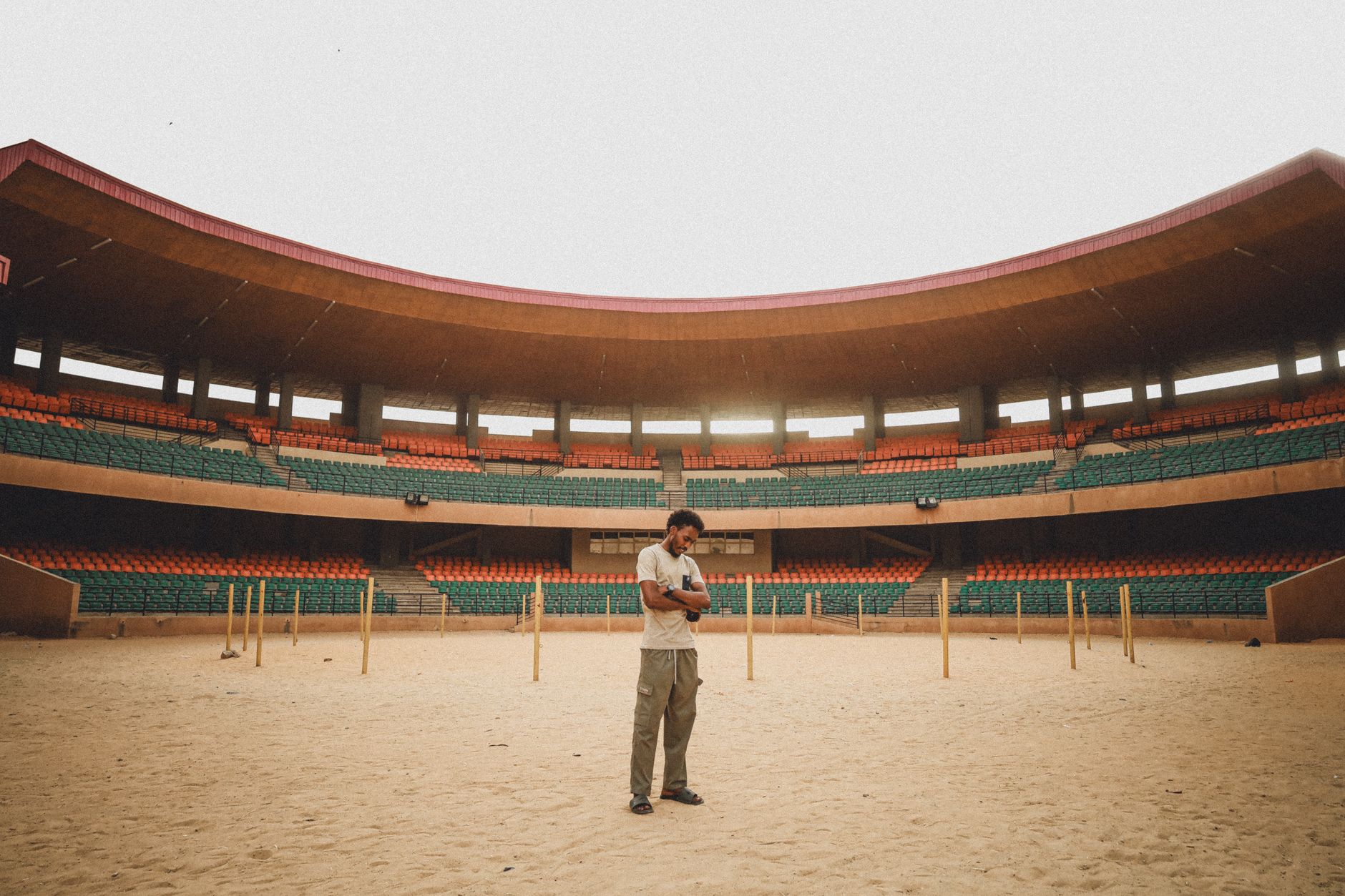
Cairo's sporting landscape bears the weight of ambition and infrastructure strain in equal measure. The International Stadium in New Cairo, which opened in 2007, remains the city's flagship venue with a 74,000-seat capacity, yet maintenance challenges have become increasingly apparent during major continental fixtures. Meanwhile, the Nile Corniche continues to host smaller athletic events, though flooding risks during seasonal variations remain a persistent concern for event planners.
The Helnan Hilton Sports Club in Maadi represents a different tier of Cairo's sporting ecosystem—a private facility catering to football, tennis, and swimming with annual memberships ranging from 15,000 to 45,000 Egyptian pounds. This bifurcated system, where elite clubs occupy premium real estate while public facilities struggle with underfunding, reflects broader infrastructure disparities across the city.
Recent investments have modernised select venues. The Cairo International Convention Centre in Nasr City has begun hosting badminton and martial arts tournaments, with upgrades completed in 2024. However, the sprawling Gezira Club on Gezira Island, operating since 1882, represents another challenge: historic infrastructure that requires delicate balancing between preservation and modernisation.
Transport connectivity remains problematic. While the Cairo Metro reaches Helwan in the south, reaching stadiums in New Cairo requires private transport or informal minibus networks, deterring casual spectators. The 40-kilometre distance between downtown venues and the International Stadium in New Cairo has prompted discussions about decentralising major events.
Swimming facilities present acute shortages. Public pools in Dokki and Zamalek operate at capacity during summer months, with daily entrance fees at 50 pounds, creating bottlenecks for competitive swimmers. Elite clubs jealously guard their Olympic-standard facilities, creating a two-tier system that disadvantages grassroots development.
The Egyptian Football Association has initiated improvements to match-day experiences, including better seating and security infrastructure at three major Cairo venues. Yet critics argue these upgrades remain reactive rather than strategic, addressing immediate needs without comprehensive planning for the next decade of sporting ambitions.
With the Africa Cup of Nations rotating through the continent and Cairo frequently bidding to host continental championships, the pressure on local infrastructure intensifies. The question facing city planners is whether incremental upgrades suffice, or whether comprehensive redevelopment of Cairo's sporting ecosystem has become inevitable for a capital seeking to maintain its continental sporting prestige.
This article was compiled by AI and screened before publishing. See our editorial standards.
How does this story make you feel?
Spread the word
About this article
Published by The Daily Cairo
Daily brief
Free, in your inbox before 7am. Weekdays.
More in Sport