From Zamalek to Helwan: How Cairo's Grassroots Runners Built a Movement
Away from elite clubs and corporate sponsorships, neighbourhood running groups are transforming how ordinary Cairenes discover endurance sport.
Away from elite clubs and corporate sponsorships, neighbourhood running groups are transforming how ordinary Cairenes discover endurance sport.
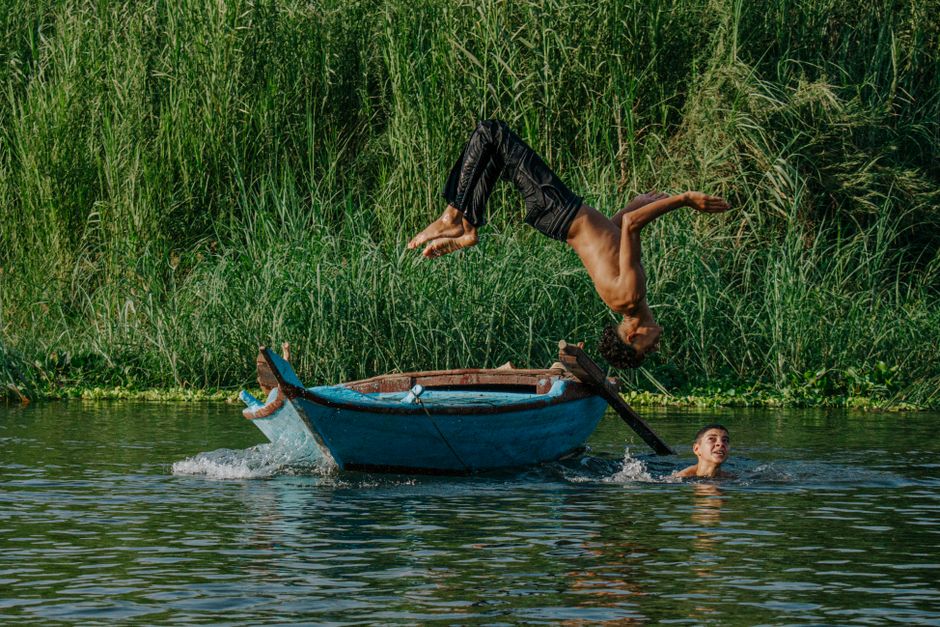
Every Friday morning at 5:30am, before the Nile-side traffic chokes the Corniche, a cluster of runners gathers near the Zamalek sporting club's eastern gates. They're not members of the club—most cannot afford the astronomical fees. Instead, they're part of something more organic: the loose network of community-led running collectives that have quietly reshaped endurance sport in Cairo over the past three years.
What began as informal meetups among five or six friends in 2023 has mushroomed into a movement. Today, at least 14 neighbourhood running groups operate across the city, from Garden City to Maadi, Heliopolis to Helwan. The Cairo Running Collective, the largest informal network, now counts approximately 800 registered members—most discovering serious distance running for the first time without the 2,500-5,000 Egyptian pound monthly memberships demanded by traditional sports clubs.
"The barrier to entry was simply too high," explains one organiser who has coordinated weekly 10-kilometre runs through eastern Zamalek and along the 15 May Bridge corridor. "We wanted to prove that elite facilities weren't necessary to build community around endurance sport."
The grassroots cycling movement has followed similar trajectories. Fixed-gear and road cycling groups now operate from informal hubs—a coffee shop in Downtown Cairo's Talaat Harb Street serves as headquarters for one group, which organises weekend rides through New Cairo's Sheikh Zayed neighbourhood and longer monthly excursions toward the Suez Desert roads. Triathlon clubs, traditionally the preserve of wealthy expat communities, are beginning to democratise through informal beach-to-river training circuits near the Giza Sports Club.
Local sports equipment retailers report a 34 percent increase in entry-level running shoe sales over 18 months, suggesting the movement's scale. Group members invest in basic gear—typically 300-600 pounds for starter shoes—rather than expensive club memberships.
The phenomenon reflects broader shifts across Middle Eastern cities, where grassroots sport offers both physical wellbeing and social connection in increasingly fragmented urban environments. Cairo's movement remains largely undocumented, absent from official sports ministry statistics, yet it represents perhaps the most significant shift in the city's endurance sport landscape this decade.
As one Maadi-based triathlon group expands its beach training sessions to accommodate new members, the question no longer concerns whether Cairo can sustain grassroots endurance communities. It concerns how quickly they'll grow.
This article was compiled by AI and screened before publishing. See our editorial standards.
How does this story make you feel?
Spread the word
About this article
Published by The Daily Cairo
Daily brief
Free, in your inbox before 7am. Weekdays.
More in Sport