The Tuesday evening futsal league at Gezira Sporting Club in Zamalek has a waiting list stretching into autumn. Meanwhile, amateur basketball tournaments operate from converted warehouse spaces in Heliopolis, and squash enthusiasts queue for bookings at the handful of clubs offering courts throughout greater Cairo. The infrastructure supporting recreational sport in Egypt's capital tells a story of explosive demand meeting constrained supply.
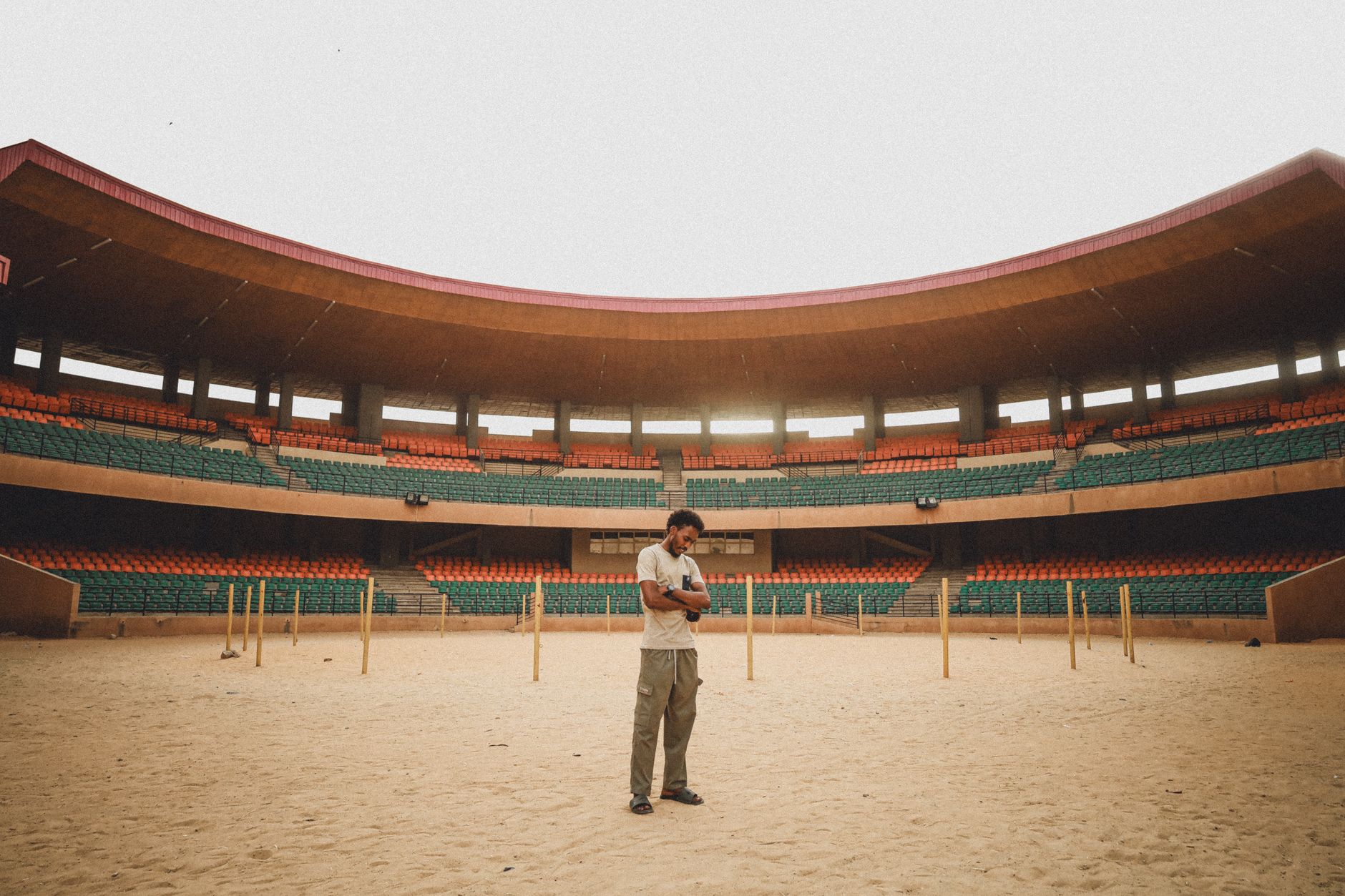
Cairo's amateur sports landscape has transformed dramatically over the past five years. An estimated 40,000 recreational athletes now participate in organized leagues across football, basketball, squash, volleyball and badminton—yet dedicated facilities have barely kept pace. The Central Cairo Sports Complex near Roxy Square remains one of the few multi-purpose venues offering basketball courts and training grounds, but booking slots cost 250–500 Egyptian pounds per hour, pricing out casual players.
Public facilities tell a more troubling story. The Nile Corniche hosts informal volleyball and football matches, but lacks basic amenities: proper drainage systems, functional floodlighting, or even permanent seating. Youth clubs in Shubra and Rod El-Farag operate from deteriorating municipal grounds with cracked courts and minimal maintenance budgets. "We're using facilities built in the 1980s," explains an administrator from a long-established club in Nasr City, requesting anonymity due to ongoing facility negotiations with local authorities.
Private clubs have partially filled the void. Beyond Gezira, venues like the Maadi Club and El-Shams Club offer premium infrastructure—air-conditioned courts, professional-grade equipment, physiotherapy services—but membership fees starting at 3,000 pounds monthly exclude most amateur athletes. Mid-range options have emerged in New Cairo and 6th of October City, where newer facilities charge 150–300 pounds per session.
The situation has sparked grassroots innovation. Informal networks now share court schedules across WhatsApp groups, while some amateur leagues have negotiated off-peak booking arrangements at schools throughout Helwan and Maadi. A badminton collective in Dokki recently secured weekend access to a community centre, reducing player costs by 40 percent.
Cairo's authorities have acknowledged the infrastructure gap. Recent municipal planning documents reference proposals for additional public sports complexes in Ain Shams and New Administrative Capital satellite locations. However, implementation timelines remain unclear, and funding allocations haven't been publicly detailed.
For now, Cairo's recreational athletes continue navigating a patchwork of aging public courts, expensive private clubs, and improvised community spaces—a reality reflecting broader challenges in maintaining urban infrastructure across the region's largest metropolitan area.
This article was compiled by AI and screened before publishing. See our editorial standards.