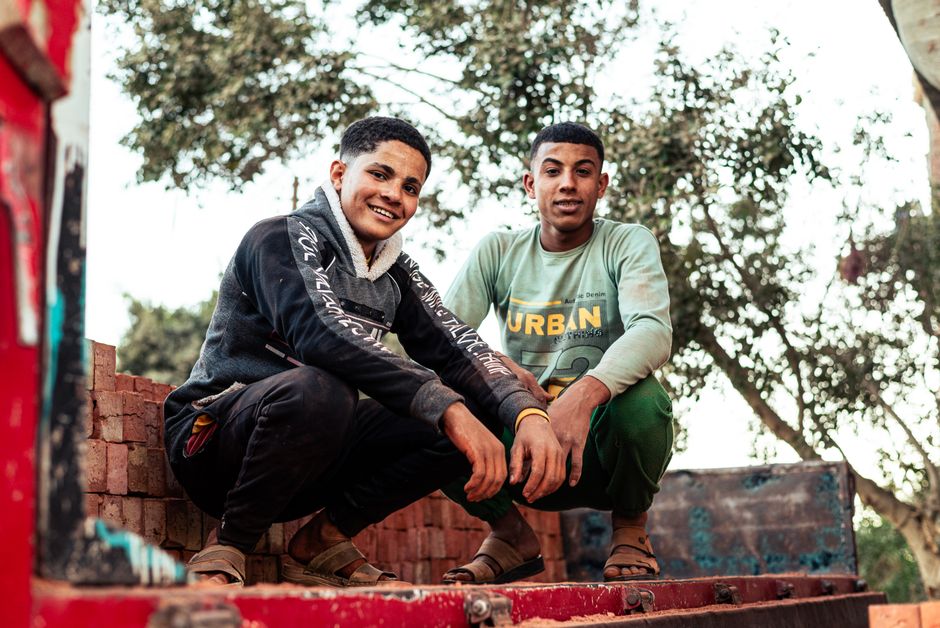
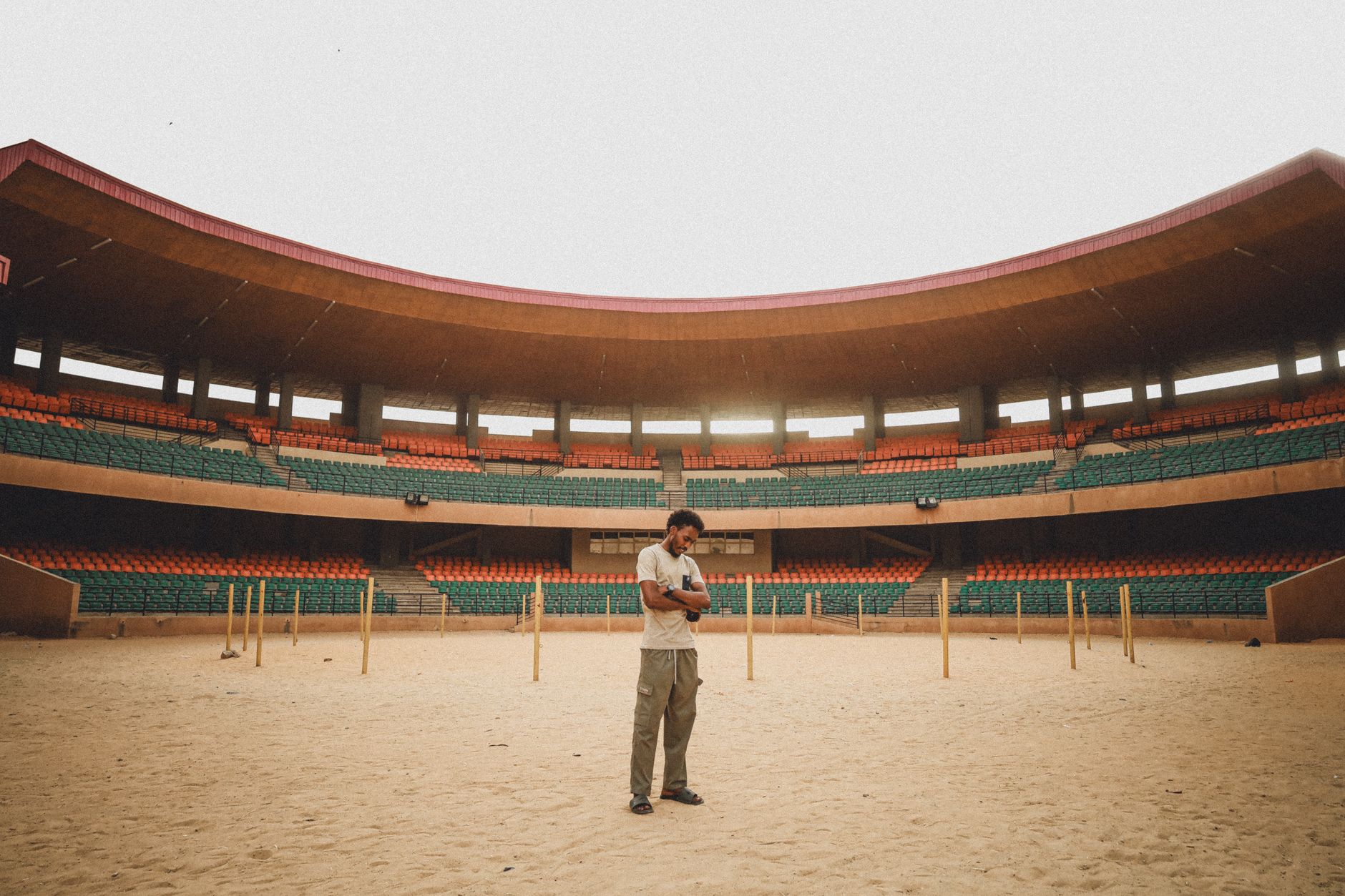
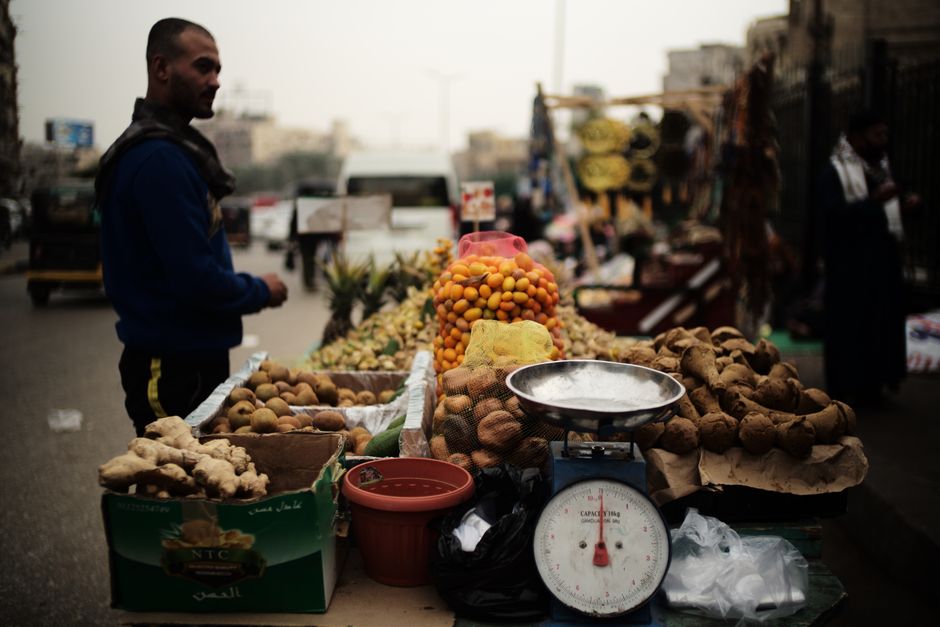
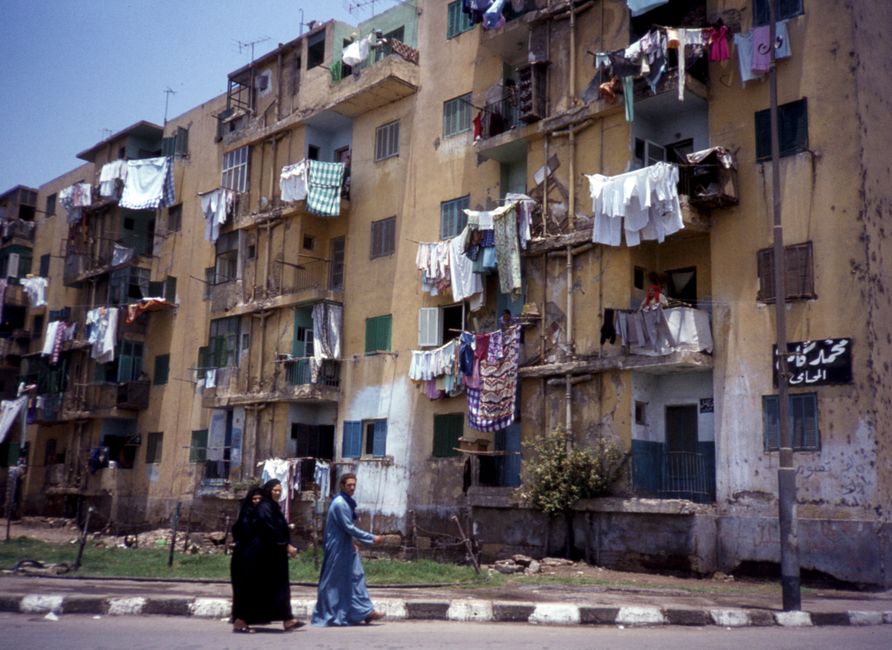
Walk through the narrow streets of Sayyida Zainab on any weekday evening, and you'll find clusters of young Cairenes gathering in converted warehouse spaces and rooftop compounds, barbells clanging against concrete floors. This is where Cairo's genuine fitness revolution is happening—not in the gleaming air-conditioned chains of New Cairo or the Five-Star district, but in the neighbourhoods where affordability, accessibility, and community spirit have become the real currency.
The shift reflects a broader democratisation of sport in Cairo. While premium gyms in Zamalek or Heliopolis charge between 800 and 1,200 Egyptian pounds monthly, grassroots lifting collectives in Bulaq, Rod El-Farag, and Ain Shams operate on membership models of 100-200 pounds per month—or even free for core members who contribute equipment and expertise. This accessibility has catalysed something unexpected: a genuinely participatory fitness culture where working-class Cairenes are becoming trainers, nutrition advisors, and community organisers.
The movement gained visible momentum around 2023, when informal networks began hosting open-air training sessions in public spaces like the gardens near Al-Azhar University and along the Corniche. What started as scattered initiatives has evolved into something more structured. Community fitness groups now coordinate training programmes, share knowledge through social media networks, and create mentorship pathways for younger athletes.
Several factors have fuelled this growth. The cost-of-living crisis has made traditional gym memberships unsustainable for many. Simultaneously, young Egyptians have grown increasingly interested in strength training and functional fitness—trends amplified by global social media trends but adapted to local contexts and resources. Grassroots organisers have become remarkably inventive: using salvaged materials, improvised equipment, and collective purchasing power to build functional training spaces.
The cultural impact extends beyond fitness metrics. These collectives have become social anchors in their neighbourhoods, offering structured activities for young people and creating genuine community bonds. Women-only training groups have emerged, addressing cultural sensitivities while expanding participation among female fitness enthusiasts—a significant development in a city where gym culture remains male-dominated in many formal settings.
Cairo's formal sports institutions have taken notice. Several municipality-run facilities in peripheral neighbourhoods have begun partnering with grassroots fitness organisers, providing spaces in exchange for community outreach. The approach represents a pragmatic recognition that sustainable sports participation emerges not from top-down infrastructure alone, but from the ground up—where community members lead, innovate, and build the movements that reflect their own needs and aspirations.
This article was compiled by AI and screened before publishing. See our editorial standards.