Behind the gleaming facades of Zamalek's upscale gyms and the Instagram-ready climbing walls of New Cairo lies a different story. In neighbourhoods like Helwan and along the industrial zones near the Nile, a grassroots climbing and outdoor adventure movement is quietly reshaping how young Egyptians engage with extreme sport—without waiting for corporate sponsorship or government backing.
The movement began roughly four years ago when a handful of climbers started meeting informally at natural rock formations south of Cairo, sharing equipment and knowledge freely. Today, informal climbing collectives operate across the city, with groups regularly gathering at spots near Ain Sokhna and the limestone escarpments beyond New Cairo's eastern edge. What started as weekend meetups has evolved into a structured ecosystem of training sessions, mentorship programs, and community competitions that operate almost entirely on volunteer effort.
"We charge between 50 and 150 Egyptian pounds per session," explains one organiser from the Helwan-based climbing collective, speaking on condition of anonymity. "That barely covers rope maintenance and safety equipment. Everything else comes from our own pockets." The group has grown to roughly 200 active members, with another 400 participating sporadically.
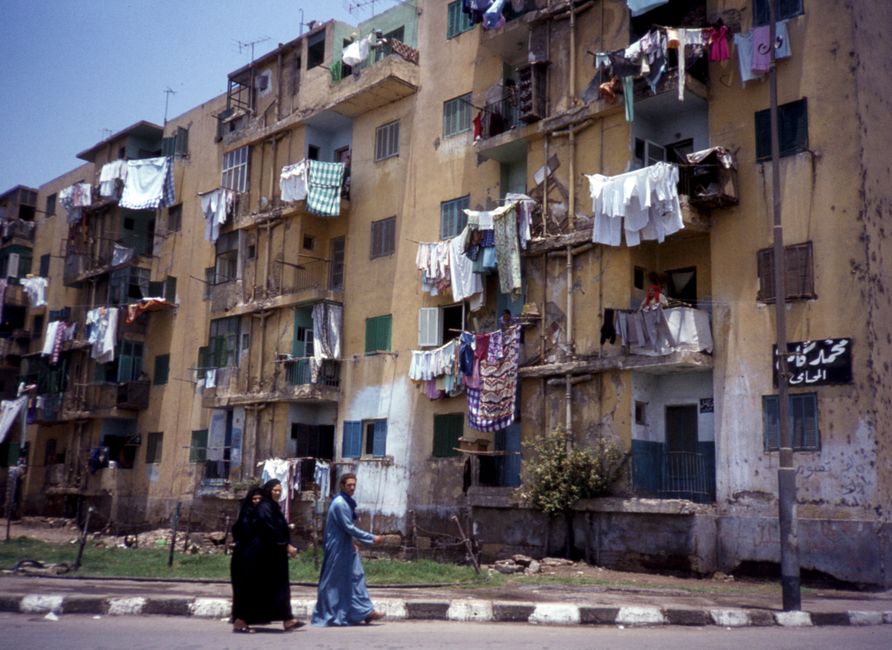
The appeal extends beyond elite athletes. Working-class youth from neighbourhoods like Bulaq and Rod El-Farag now have accessible entry points into adventure sports that were once perceived as exclusively wealthy pursuits. Community climbing walls—simple wooden structures built in public spaces—have appeared in three Cairo neighbourhoods over the past eighteen months, constructed entirely through volunteer labour.
Safety remains paramount despite limited resources. Experienced climbers conduct free training workshops covering rope techniques, rescue procedures, and risk assessment. Equipment is shared and inspected rigorously. The community has maintained a strong safety record, with zero serious incidents reported among the participating groups.
The movement reflects broader trends in Cairo's youth culture: a generation seeking authentic community connection and physical challenge outside traditional sports hierarchies. Running clubs, parkour collectives, and skateboarding crews operate through similar grassroots models, often interconnecting and sharing spaces.
Government officials have begun taking notice. While formal recognition remains pending, municipal authorities in some districts have started consulting with climbing organisers about safe public climbing areas—a development that could legitimise and expand the movement significantly.
For now, Cairo's grassroots climbers continue their weekend expeditions into the desert, their climbing ropes worn but well-maintained, their community bound by shared commitment rather than sponsorship contracts. It's a reminder that vibrant sporting cultures need not depend on institutional support—sometimes the strongest foundations are built by communities climbing together, one boulder at a time.
This article was compiled by AI and screened before publishing. See our editorial standards.