Cairo's sporting landscape is undergoing a quiet but significant transformation. While international attention often focuses on the Nile and the pyramids, the city's commitment to building and maintaining world-class athletic infrastructure tells a different story—one of ambition, investment, and growing accessibility to sport across the capital.
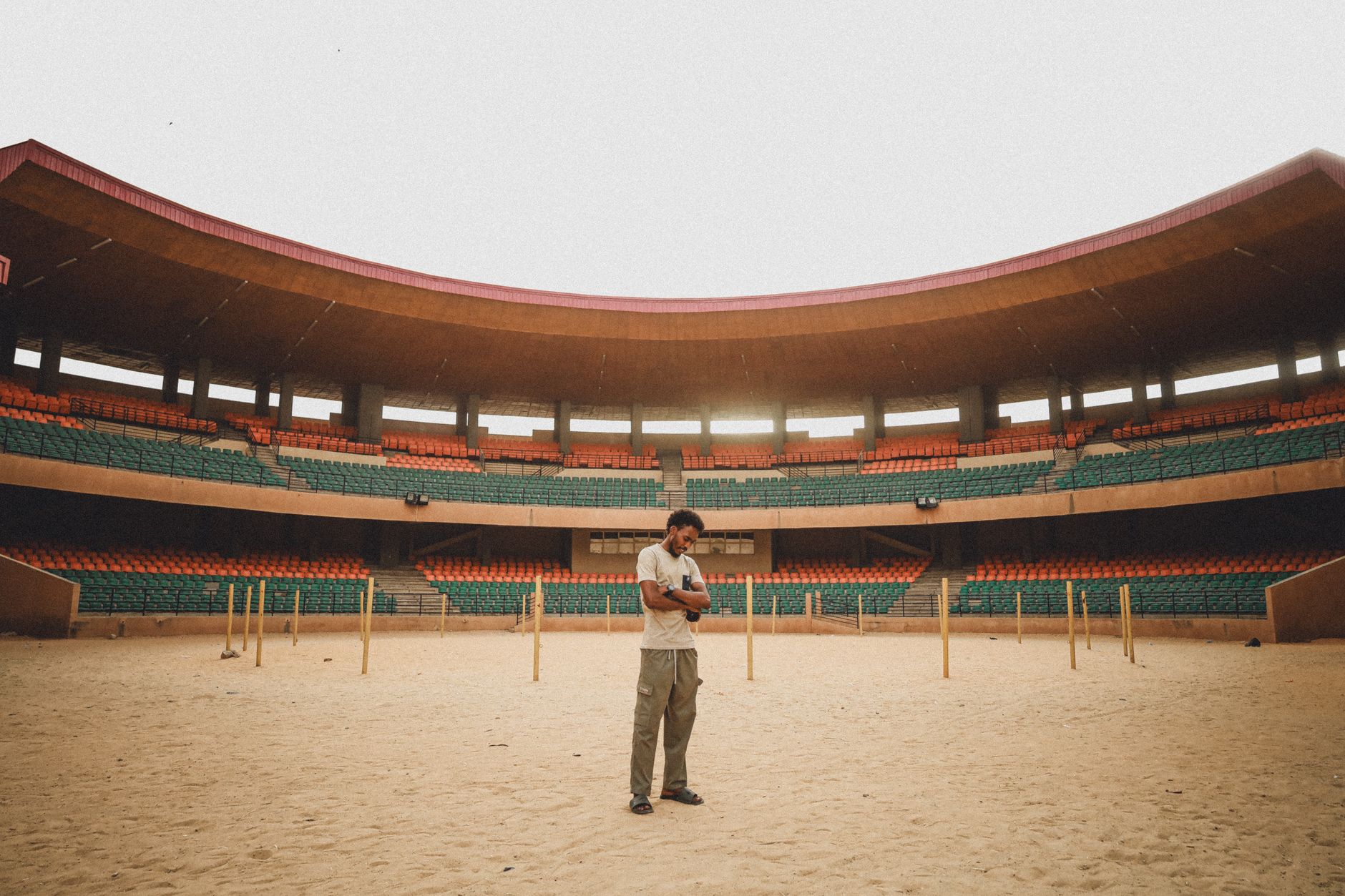
The Cairo International Stadium in Nasr City remains the crown jewel, a 74,000-capacity venue that has hosted everything from African Cup of Nations matches to continental athletics championships. Completed in 1989, the facility underwent substantial renovations ahead of the 2019 Africa Cup of Nations, with upgrades to seating, drainage systems, and broadcast facilities. Today, it serves as the primary venue for Al Ahly and Zamalek, Egypt's most storied football clubs, though its infrastructure extends beyond football to accommodate athletics, swimming trials, and martial arts competitions.
Beyond the flagship stadium, Cairo's neighbourhood sports infrastructure deserves equal attention. The Gezira Sporting Club in Zamalek, established in 1882, represents a different model entirely—a sprawling 170-acre facility offering tennis courts, swimming pools, rowing clubs, and equestrian grounds. Membership remains exclusive and expensive, reflecting Cairo's broader challenge of equity in athletic access. Monthly fees typically range from 2,000 to 5,000 Egyptian pounds, placing premium facilities out of reach for most residents.
The Ministry of Youth and Sports has attempted to address this disparity through public athletic complexes. The New Cairo Sports City, developed in recent years in the New Administrative Capital satellite development, represents an attempt to decentralize elite training facilities away from central Cairo's congestion. These venues feature Olympic-standard training grounds for weightlifting, gymnastics, and combat sports.
Local neighbourhood clubs operating from converted warehouses and modest compounds in Helwan, Shubra, and Maadi continue to develop grassroots talent, though many operate with minimal municipal support and aging equipment. A 2024 assessment by Egypt's sports ministry identified significant maintenance backlogs across secondary venues, with funding limitations preventing upgrades to lighting systems and synthetic playing surfaces at community-level facilities.
The infrastructure challenge remains twofold: maintaining world-class venues capable of hosting international competition while ensuring equitable access to training facilities across Cairo's sprawling neighbourhoods. Recent announcements suggest additional investment in sports infrastructure as part of broader urban development plans, though implementation timelines remain unclear.
This article was compiled by AI and screened before publishing. See our editorial standards.