Cairo's Fitness Boom: How Local Clubs Are Thriving and Building Community Beyond the Gym
From Zamalek to Heliopolis, neighbourhood fitness centres are redefining exercise as social glue, turning Cairo's gym culture into a genuine community movement.
From Zamalek to Heliopolis, neighbourhood fitness centres are redefining exercise as social glue, turning Cairo's gym culture into a genuine community movement.
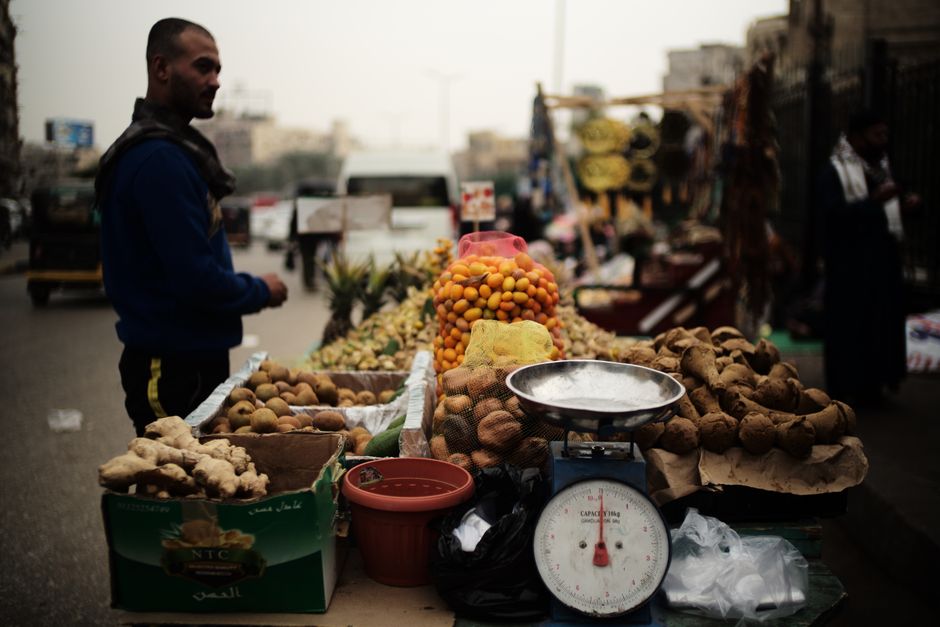
Walk down 26th of July Street in Zamalek on any weekday evening, and you'll notice something striking: the pavements outside converted villas and modest storefronts buzz with energy. These aren't corporate chains with marble lobbies and membership tiers—they're neighbourhood gyms, and they're reshaping how Cairenes approach fitness.
The shift reflects broader changes in Egypt's fitness landscape. Over the past three years, independent clubs have proliferated across residential districts, from Garden City to Heliopolis, offering affordable memberships (typically 200–400 EGP monthly) that undercut premium franchises. More importantly, they've fostered something corporate facilities struggle to replicate: genuine community.
At facilities like those clustered around Nile Street in Dokki, members speak of their gyms as extensions of home. Group fitness classes—from dance cardio to strength training—regularly draw 30–40 participants who know each other by name. Many clubs now organise social outings, from weekend cycling tours along the Nile Corniche to informal football matches in nearby parks. Some have even established WhatsApp groups where members share nutrition tips and celebrate personal milestones.
The economic model matters too. Local ownership means profits circulate within neighbourhoods rather than flowing to distant shareholders. Trainers—often homegrown talent earning 3,000–5,000 EGP monthly—build long-term relationships with clients rather than rotating through high-turnover chains. Equipment, while sometimes modest, gets maintained with care by people invested in the space.
Female-focused spaces have particularly thrived. Women-only sessions and segregated training hours, offered by many independent clubs, have dramatically expanded participation among women for whom mixed environments pose cultural or practical barriers. Classes now regularly operate from 6 a.m. and again in evenings, accommodating school drop-offs and work schedules.
The COVID-19 period accelerated this trend. When major chains faced lockdowns and uncertain reopenings, smaller clubs adapted faster, moving classes online and creating hybrid models. Many retained these innovations, offering flexible attendance that appeals to Cairo's unpredictable traffic and schedules.
Yet challenges remain. Many operate in borrowed or informal spaces; few have formal legal registration. Inconsistent electricity and water supply plague some facilities. Yet members stay, because the value proposition extends beyond equipment: it's belonging.
As Cairo's middle class expands and health consciousness grows, these neighbourhood clubs represent something beyond a fitness trend. They're social infrastructure—gathering places where Cairenes from shared streets build habits, friendships, and accountability together. In a sprawling megacity, that's genuinely revolutionary.
This article was compiled by AI and screened before publishing. See our editorial standards.
How does this story make you feel?
Spread the word
About this article
Published by The Daily Cairo
Daily brief
Free, in your inbox before 7am. Weekdays.
More in Sport