Cairo's Sporting Backbone: How Modern Venues Are Reshaping the City's Athletic Landscape
From the International Stadium to neighbourhood clubs, Cairo's infrastructure investment is transforming how millions access elite and grassroots sport.
From the International Stadium to neighbourhood clubs, Cairo's infrastructure investment is transforming how millions access elite and grassroots sport.
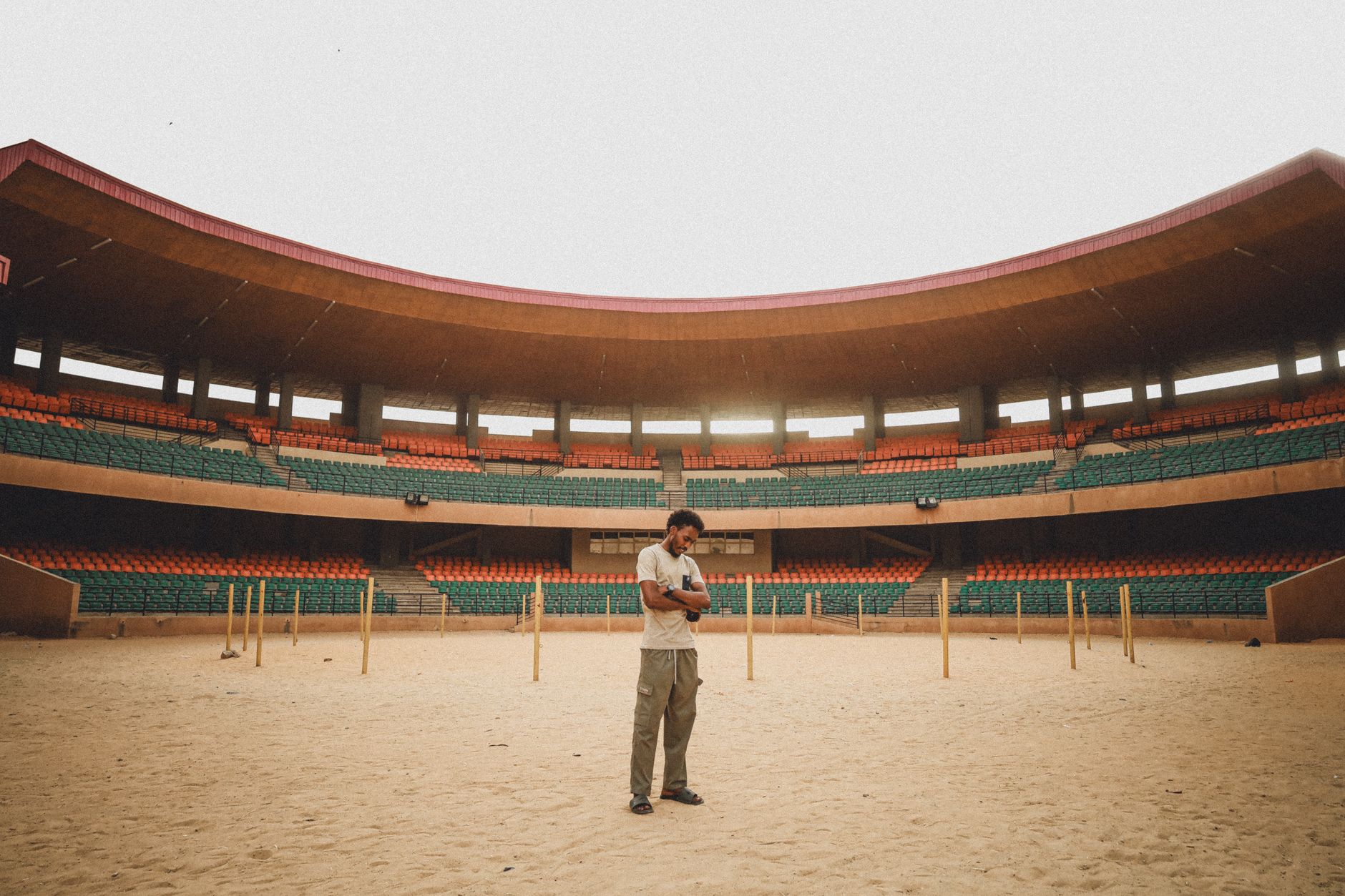
Cairo's sporting infrastructure has undergone significant transformation over the past decade, with the city now boasting world-class facilities that rival regional competitors. The Cairo International Stadium in the New Administrative Capital suburb has become the centrepiece of Egypt's sporting ambitions, hosting international football matches and major athletics events with a 75,000-seat capacity and modern training complexes. Yet the real story of Cairo's sporting evolution extends far beyond flagship venues.
The Gezira Sporting Club, nestled on Zamalek island in central Cairo, remains one of the continent's most prestigious multi-sport facilities. Established over a century ago, the 140-acre complex provides tennis courts, swimming pools, football pitches, and gymnasiums—though membership remains exclusive and expensive, typically ranging from 25,000 to 40,000 Egyptian pounds annually for family memberships. This exclusivity underscores a broader challenge facing Cairo's sports infrastructure: balancing elite facilities with grassroots accessibility.
Working towards democratising access, the Egyptian government has invested heavily in neighbourhood sporting clubs across Helwan, Maadi, and Nasr City. These municipal facilities offer subsidised memberships and host youth development programmes, though maintenance and equipment quality remain inconsistent. The average cost of a basic annual membership at such facilities sits around 500 to 1,500 pounds, making them significantly more accessible than private clubs.
Transport connectivity shapes venue accessibility considerably. The Helwan-Ain Shams metro line, completed in 2012, connects sporting venues across the city's east-west axis, though rush-hour congestion on routes to popular facilities remains problematic. Parking infrastructure at major stadiums remains inadequate, with the International Stadium accommodating only 8,000 vehicles despite its 75,000-seat capacity—a gap forcing many spectators to rely on informal arrangements and ride-sharing services.
Cairo's climate presents unique infrastructure challenges. Summer temperatures regularly exceed 35 degrees Celsius, necessitating investments in cooling systems for indoor venues and shade structures at outdoor facilities. The proliferation of artificial pitch installations across university campuses and municipal centres reflects this adaptation, though water scarcity in Egypt raises long-term sustainability questions about maintaining such facilities.
Recent developments suggest momentum toward comprehensive modernisation. The Egyptian Football Association's technical centre in New Cairo provides world-standard coaching and sports science facilities, while newly refurbished squash courts in Dokki cater to growing racquet-sport participation. Yet fragmentation remains: elite athletes access cutting-edge facilities while many grassroots programmes operate with minimal equipment.
As Cairo continues evolving as a global sporting hub, infrastructure gaps require systematic attention. Expanding metro access to peripheral venues, standardising maintenance protocols, and balancing exclusive clubs with public facilities remain critical challenges shaping how this ancient city supports its sporting future.
This article was compiled by AI and screened before publishing. See our editorial standards.
How does this story make you feel?
Spread the word
About this article
Published by The Daily Cairo
Daily brief
Free, in your inbox before 7am. Weekdays.
More in Sport