Cairo's sporting landscape is at a crossroads. While the city remains the epicentre of Egyptian athletics, with a population exceeding 20 million and a passionate fan base, the infrastructure supporting major events tells a more complex story—one of aging facilities competing with ambitious development plans.
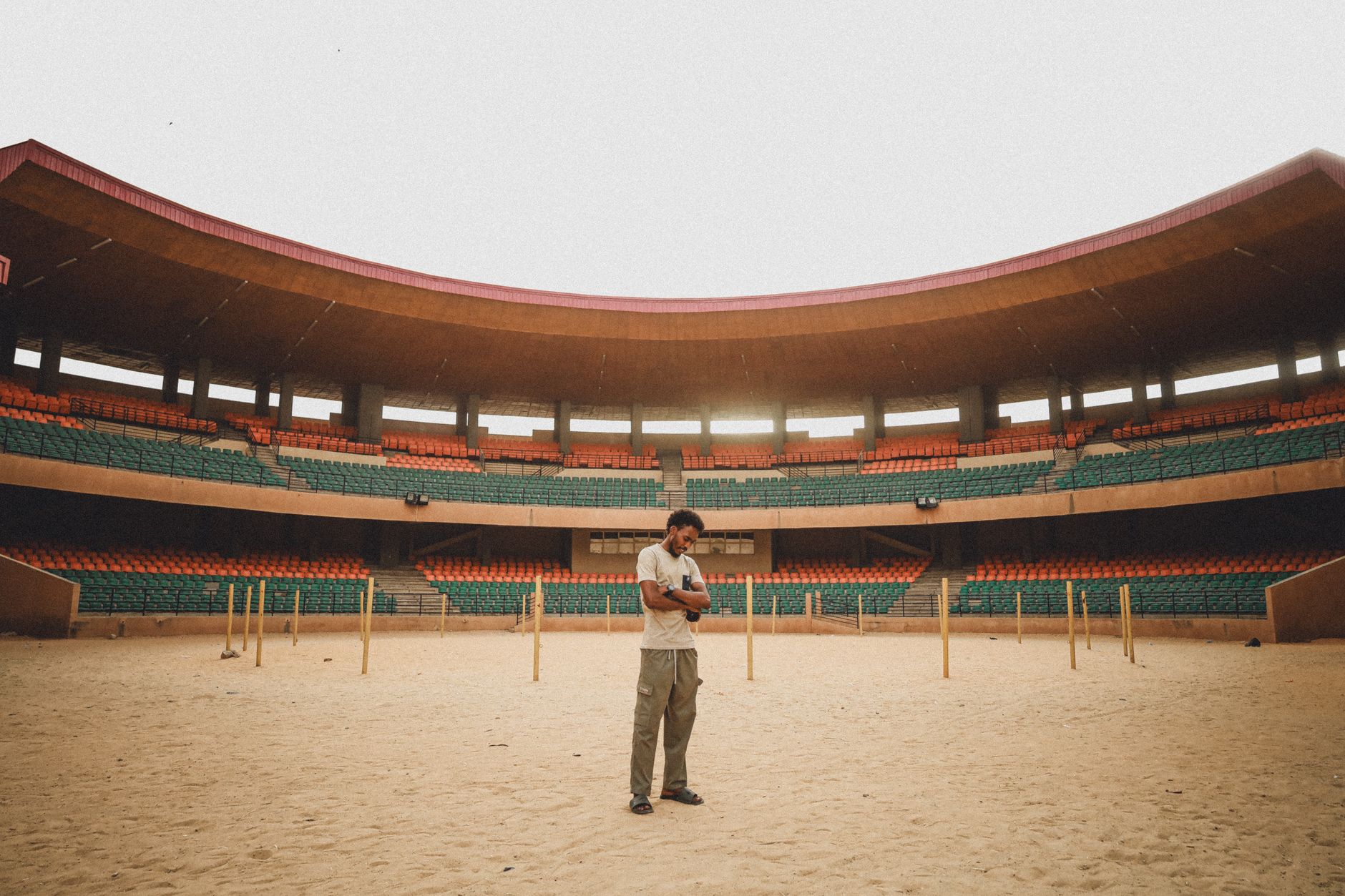
The Cairo International Stadium in the Heliopolis district, completed in 1989, remains the city's flagship venue. With a capacity exceeding 74,000, it has hosted Africa Cup of Nations matches, continental football derbies, and major athletics competitions. Yet maintenance challenges are persistent. The facility underwent renovations ahead of recent continental tournaments, but operational costs and ongoing wear demand continuous investment. Local sports administrators acknowledge the gap between current condition and international standards expected for major tournaments.
Beyond the International Stadium, Cairo's sporting infrastructure sprawls across multiple neighbourhoods. The Nile Corniche hosts rowing clubs and water sports facilities, while Zamalek Island—traditionally the city's elite sporting hub—contains the exclusive Gezira Club, established in 1882. The club's tennis courts, swimming pools, and golf facilities remain sought-after but serve a limited membership base. This pattern reflects a broader Cairo challenge: premium facilities often cater to affluent communities rather than grassroots development.
Training grounds reveal further disparities. While top-tier football clubs like Al Ahly and Zamalek operate private training complexes, grassroots athletes frequently utilise overcrowded public facilities in districts like Giza and New Cairo. Government-run sports centres struggle with funding constraints, affecting coach qualifications and equipment standards. The Egyptian Ministry of Youth and Sports has announced expansion plans, but implementation remains slow.
New Cairo's emerging sports clusters offer glimpses of modernisation. Private sporting complexes in New Administrative Capital areas feature contemporary facilities, though accessibility remains limited by geography and cost. Average membership fees at premium facilities can exceed 5,000 Egyptian pounds monthly—prohibitive for middle-income families.
Infrastructure bottlenecks extend beyond venues. Public transportation to major stadiums remains inadequate, deterring casual spectators. The Cairo metro serves limited sporting areas, and traffic congestion in central districts creates match-day logistics headaches.
Looking ahead, Cairo's sporting future depends on balanced development: maintaining flagship venues like the International Stadium while expanding accessible training infrastructure across working-class neighbourhoods. Without investment in foundational facilities, the city risks falling behind regional competitors like Casablanca and Doha in hosting international events—and developing homegrown talent.
This article was compiled by AI and screened before publishing. See our editorial standards.