Walk through the streets of Zamalek on a Friday evening and you'll hear the familiar roar of supporters echoing from the Island Club's grounds. This historic venue, which has hosted Egyptian football for over a century, remains a beating heart of community life—not just for elite players, but for thousands of families who have made it their second home.
The revival of Cairo's local sporting culture tells a different story than the glittering headlines surrounding continental tournaments. Across neighbourhoods from Heliopolis to Giza, community-based football clubs are experiencing unprecedented engagement, transforming their modest stadiums into genuine social anchors that extend far beyond match days.
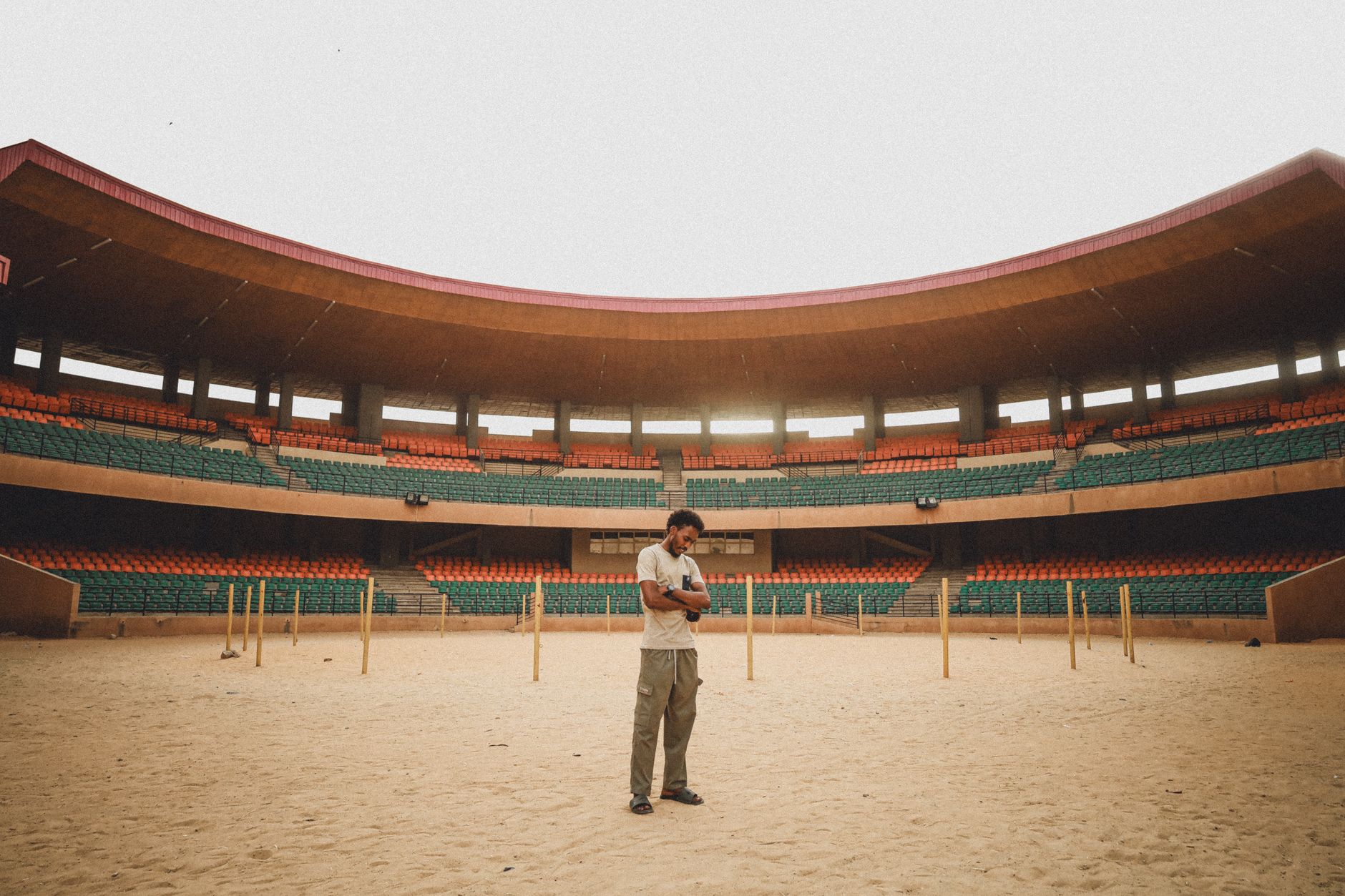
Data from the Cairo Sports Council reveals that attendance at neighbourhood league matches has grown by 42 per cent since 2024, with clubs like Al-Ahly's satellite facility in Nasr City reporting average crowds of 3,500 spectators. These aren't the megastadiums of international competition—many venues operate with capacities between 2,000 and 8,000—yet their impact on local communities proves disproportionately significant.
"What's changed is visibility and infrastructure," explains the broader sporting landscape in Cairo. Youth academies affiliated with neighbourhood clubs now operate evening training programmes at reduced fees, typically ranging from 150 to 300 Egyptian pounds monthly, making football accessible to families across economic strata. The Shooting Club in Dokki and Gezira Sporting Club have expanded their community outreach initiatives, opening their facilities for local tournaments and grassroots development programmes.
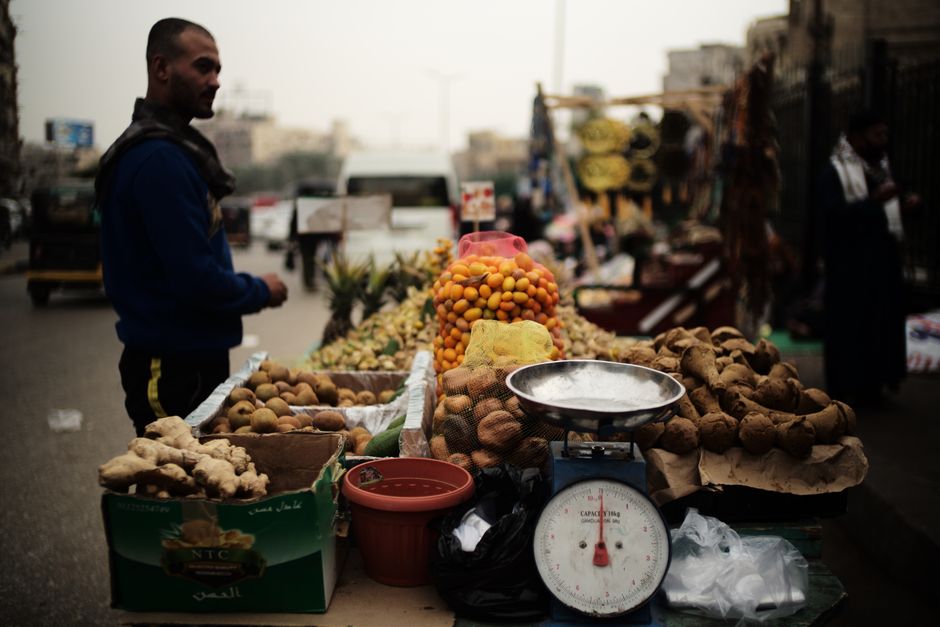
The transformation extends beyond the pitch. Stadium neighbourhoods are experiencing secondary economic benefits: food vendors, transport services, and retail businesses thrive on match days. Security protocols and venue maintenance have improved considerably, with several clubs investing in upgraded lighting and seating to enhance spectator experience.
Perhaps most significantly, these venues serve as gathering spaces during a period when Cairo's urban fabric often feels fragmented. Weekly matches create rhythm and routine, spaces where neighbours become familiar faces, where children develop skills and mentorship relationships with local coaches, many of whom emerged from these same community programmes decades earlier.
As Cairo continues its broader development, preserving and strengthening these neighbourhood sporting institutions remains crucial. They represent something elite stadiums cannot: genuine, organic community belonging rooted in the city's authentic sporting culture.
This article was compiled by AI and screened before publishing. See our editorial standards.