From Dusty Courts to City Pride: How Cairo's Grassroots Leagues Built a Community Sport Revolution
Amateur football, volleyball and basketball clubs across working-class neighbourhoods are reshaping how Cairenes connect, compete and belong.
Amateur football, volleyball and basketball clubs across working-class neighbourhoods are reshaping how Cairenes connect, compete and belong.
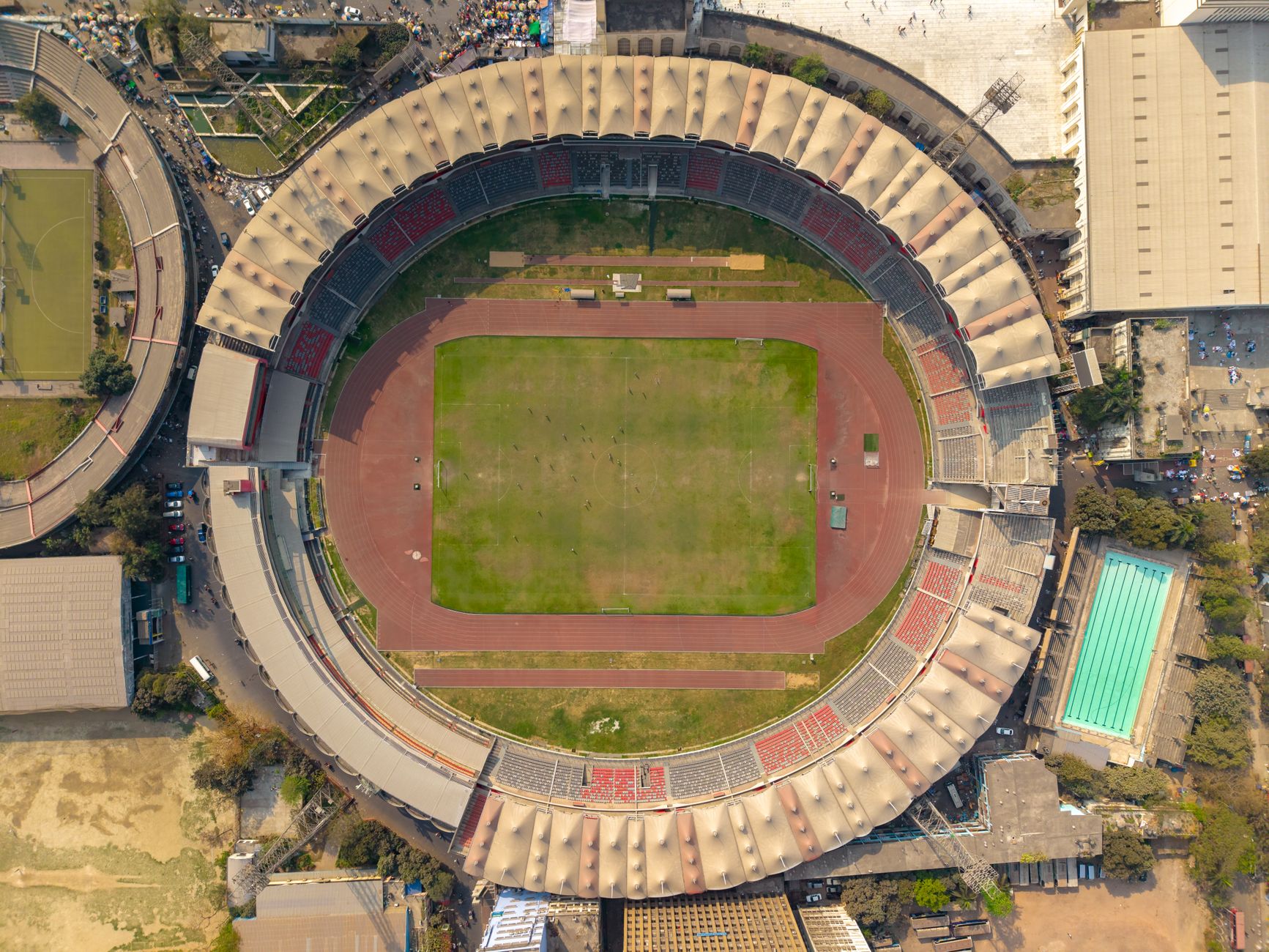
On any given evening in Shubra, the concrete courts behind Al-Ahly Club's community centre fill with the sound of bouncing basketballs and shouted encouragement. These are not elite athletes—they are shopkeepers, students, factory workers and teachers who have transformed Cairo's recreational sport landscape from the ground up.
Over the past five years, amateur leagues organised through neighbourhood clubs have grown from informal kickabouts to structured competitions with hundreds of active participants. The Cairo Amateur Sports Federation now registers more than 340 neighbourhood-based clubs across the city, up from 127 in 2021, according to federation records. Weekly league participation has jumped to approximately 8,500 registered players.
"What started in my garage became something bigger," explains one football league coordinator in Zamalek, who has watched his club grow from 12 members to over 80. The annual membership fee—typically 300 to 500 Egyptian pounds—remains accessible to working families, a deliberate choice community organisers credit for widespread adoption.
The movement extends beyond football. Volleyball leagues in Helwan have drawn factory workers seeking respite from long shifts. Basketball tournaments spanning Garden City to Nasr City create pathways for youth otherwise distant from formal sport structures. Women's futsal leagues in Dokki and Maadi, though newer, have sparked particular enthusiasm among participants hungry for dedicated competitive space.
Physical infrastructure remains a persistent challenge. Many clubs operate on borrowed pitches at schools or under-utilised municipal grounds. A five-a-side pitch in Rod El-Farag rents for roughly 250 pounds per hour—significant for clubs operating on volunteer contributions and modest sponsorships from local businesses.
Yet resilience defines these communities. The Nile-side Embaba Sports Club, founded by residents in 2019 with virtually no initial funding, now organises three separate leagues serving over 200 members across age groups. Their model—combining volunteer coaching, shared pitch access agreements with neighbouring schools, and a modest annual fundraising tournament—has been replicated across the city.
What distinguishes Cairo's grassroots movement is its democratic essence. Leadership rotates among members. Equipment pools are shared. Stronger teams mentor weaker ones. Several clubs have launched parallel women's divisions, youth academies and veterans' leagues within the past eighteen months.
As Cairo's formal sports institutions concentrate resources on elite competition, these neighbourhood leagues quietly address an overlooked need: belonging, regular physical activity, and community identity for ordinary Cairenes. For thousands across the city, Tuesday evening league matches have become the week's anchor point—proof that sport's deepest value often emerges not from stadiums, but from dusty courts and committed neighbours.
This article was compiled by AI and screened before publishing. See our editorial standards.
How does this story make you feel?
Spread the word
About this article
Published by The Daily Cairo
Daily brief
Free, in your inbox before 7am. Weekdays.
More in Sport