Pyramids of Giza Guide: Complete Local Travel
Discover the ultimate pyramids of giza guide with insider tips, best times to visit, family activities, and specific Cairo venues for unforgettable adventures.
Discover the ultimate pyramids of giza guide with insider tips, best times to visit, family activities, and specific Cairo venues for unforgettable adventures.
Listen to this article · 6:06
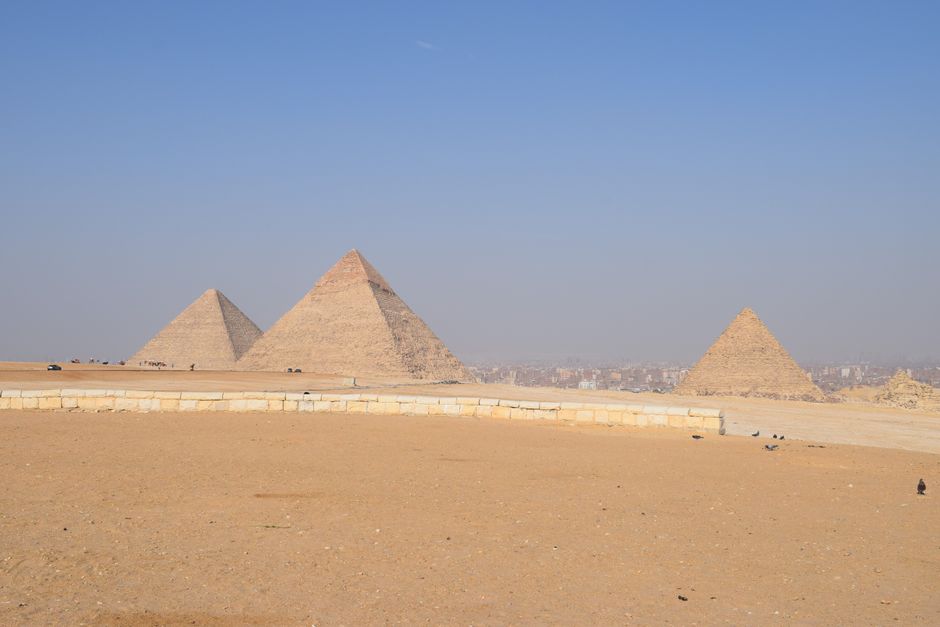
The pyramids of giza guide reveals one of humanity's greatest wonders. Located just 20 kilometers west of central Cairo, the Giza Plateau hosts three monumental pyramids, the Great Sphinx, and countless hidden treasures waiting for curious travelers. This comprehensive local guide covers everything you need to experience these ancient marvels authentically, from practical logistics to family-friendly activities and seasonal timing.
Timing your visit significantly impacts your experience at the Giza Plateau. Winter months (November to February) offer ideal conditions with temperatures ranging from 12-20°C—perfect for exploring outdoor sites without extreme heat exhaustion. June 2026 brings intense summer heat (35-38°C), making early morning visits (6:00-9:00 AM) absolutely essential if traveling during this period.
Avoid peak tourist hours between 10:00 AM and 3:00 PM. Visit on weekdays rather than weekends when possible. Egyptian national holidays in June include Eid al-Adha (June 16-17, 2026), which creates significant crowding and extended hours at attractions.
The Great Pyramid of Khufu remains the world's largest ancient structure. Located in the northern section of the plateau, it stands 146 meters tall originally (now 138 meters). Internal passages require separate tickets (250 EGP for ascending passage, 400 EGP for all chambers). Note: Climbing is not permitted; only interior exploration through designated corridors.
The Pyramid of Khafre appears taller due to its elevated location but actually stands slightly shorter. Its distinctive limestone casing stones remain partially intact at the apex. The adjacent Valley Temple features red granite columns and connects to the famous Great Sphinx through a causeway.
The Pyramid of Menkaure represents the smallest of the three main pyramids but offers accessible interior exploration. The associated Valley Temple showcases well-preserved granite construction techniques used by ancient Egyptian builders.
The Great Sphinx sits on the eastern plateau edge, guarding the pyramids for over 4,500 years. Restoration projects (completed 2020) revealed original paint layers. Visit from the dedicated Sphinx viewing platform (75 EGP entry) for optimal photography without crossing restricted archaeological zones.
Families with children should prioritize hydration, sun protection, and age-appropriate activities. The Giza Plateau Open-Air Museum features solar boat replicas and hands-on exhibits explaining pyramid construction. The pyramid complex spreads across 5.3 square kilometers, so wear comfortable walking shoes and budget 3-4 hours minimum for meaningful exploration.
Children under 12 find climbing the massive stone blocks entertaining (though exhausting). The plateau's elevated views create memorable photo opportunities throughout the day. Sunset visits (4:00-6:00 PM) offer dramatic lighting for photography without midday crowds.
Reaching Giza from central Cairo requires 45 minutes to 1.5 hours depending on traffic. Uber/Careem apps function reliably (120-180 EGP from Zamalek, 90-140 EGP from Giza). Metered taxis charge similar rates but require negotiation beforehand.
Main Giza entrance operates at Haram Street. General plateau admission costs 300 EGP (Egyptian nationals 60 EGP). Camera permits cost 300 EGP additional; video requires separate permits (1000 EGP). Purchase tickets on-site or through official Egypt Tourism Portal online.
Egyptian Museum (Tahrir Square, 45 minutes by car) houses King Tutankhamun's treasures and pyramid-era artifacts. Memphis ancient capital ruins sit 30 kilometers south near Saqqara Stepped Pyramid (60 minutes drive). The Nile Corniche restaurants in Giza district offer authentic cuisine overlooking the Nile—Al-Omda and Felfela deliver excellent mezze platters (100-200 EGP per person).
Hire guides through your hotel rather than accepting street offers. Legitimate Egyptologist guides display official credentials from Egypt's Ministry of Tourism. Negotiate camel rides before mounting—posted prices inflate for tourists. The less-visited western plateau side offers superior photography with fewer crowds. Bring binoculars for distant monument viewing. Avoid purchasing bottled water inside the complex; bring refillable bottles and fill at designated fountains (free, safe water).
Sound and light shows occur nightly in multiple languages, providing theatrical pyramid history narratives (tickets 150-350 EGP through hotels or on-site). Book shows directly at the plateau ticket office—online bookings often include unnecessary markups.
Discover more exclusive Cairo travel insights and practical destination advice at The Daily Cairo, your trusted source for authentic Egyptian experiences and local knowledge.
This article was compiled by AI and screened before publishing. See our editorial standards.
How does this story make you feel?
Spread the word
About this article
Published by The Daily Cairo
Daily brief
Free, in your inbox before 7am. Weekdays.
More in Community