Cairo's Construction Boom: What New Development ...
As permitting accelerates across premium zones, data reveals which neighbourhoods are delivering real yields—and which approvals signal long-term value.
As permitting accelerates across premium zones, data reveals which neighbourhoods are delivering real yields—and which approvals signal long-term value.

Cairo's property development pipeline has entered a decisive phase. With fresh construction permits flowing through municipal authorities across Maadi, Zamalek, and the New Administrative Capital corridors, investors are parsing approval timelines and rental trajectories to identify where their capital actually works hardest.
The numbers tell a story of geographic divergence. Projects approved along the Nile-facing stretches of Zamalek command premium approval cycles—typically 8–12 months for mixed-use developments—because heritage overlay conditions and infrastructure load assessments add scrutiny. Yet completed units in that zone consistently yield 4.5–5.2% annual returns, with asking rents for two-bedroom apartments hovering around EGP 2,800–3,200 per month against purchase prices of EGP 55–65 million. The approval friction, investors increasingly recognise, reflects underlying scarcity and long-term desirability.
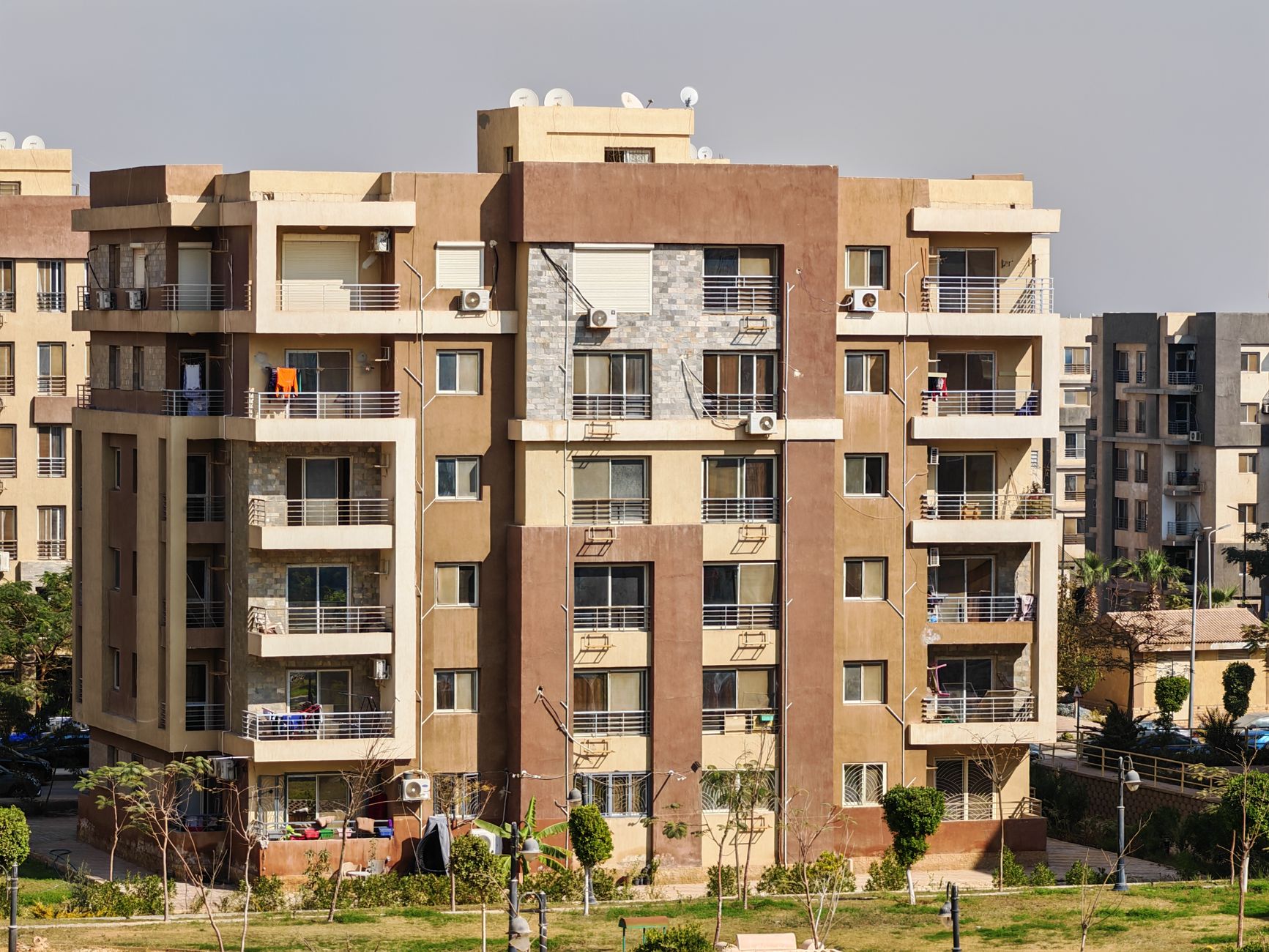
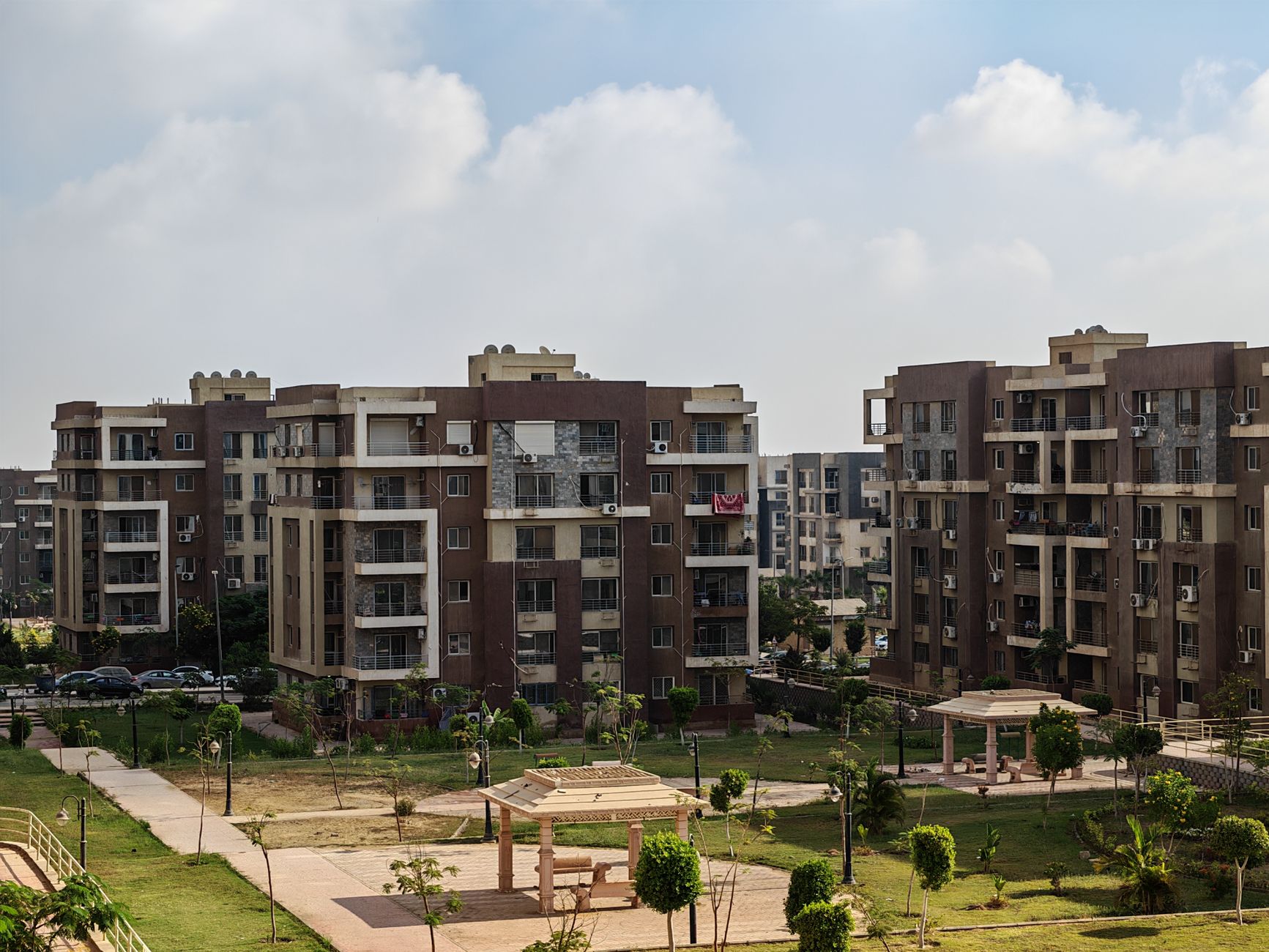
New Cairo and October City tell a different story. Recent approvals for medium-rise residential complexes in clusters near Ring Road and around Al-Rehab City are clearing permits in 5–7 months, signalling streamlined processes and lower infrastructure barriers. Initial yields run tighter—3.8–4.2% annually—but transaction velocity is markedly higher. A one-bedroom unit leasing for EGP 1,200–1,400 monthly against a purchase price of EGP 2.8–3.2 million moves faster and attracts corporate tenants seeking proximity to business parks.
The New Administrative Capital represents the frontier. While approvals remain contingent on staged infrastructure completion, developers securing permits now are betting on 2027–2029 occupancy windows and corresponding yield spikes. Early movers into approved towers along the central business district spine anticipate initial rental yields of 3.5–4% as administrative migration accelerates, with secondary-market appreciation potential of 6–8% annually once occupation density reaches critical mass.
What shifts the calculus for serious investors is approval velocity coupled with underlying demand signals. Maadi's leafy residential pockets continue attracting expat families and diplomatic staff, keeping rental yields around 4.8–5.3% despite higher acquisition costs (average EGP 75–85k per square metre). New approvals there focus on villa clusters and boutique apartment buildings, reflecting long-term demographic anchors.
The municipal data reveals a pattern: faster approvals in supply-constrained, infrastructure-rich zones like New Cairo correlate with lower gross yields but higher liquidity. Slower approvals in established prestige zones like Zamalek and Maadi reflect structural scarcity and demographic stickiness, supporting higher cash-on-cash returns for patient capital.
For investors tracking Cairo's 2026 development wave, the message is clear. Approval speed alone is a poor predictor of returns. Neighbourhood fundamentals—tenant demand, infrastructure maturity, regulatory stability—matter far more than permitting timelines.
This article was compiled by AI and screened before publishing. See our editorial standards.
How does this story make you feel?
Spread the word
About this article
Published by The Daily Cairo
Daily brief
Free, in your inbox before 7am. Weekdays.
More in Property