Cairo's property market is at a crossroads. As average prices stabilise around EGP 80,000 per square metre citywide, a perfect storm of currency pressures, construction material inflation, and policy realignment is fundamentally reshaping what affordable housing means in Egypt's capital.
The pressure points are clear. Import-dependent building materials—steel, cement, and finishing products—have become significantly more expensive as the Egyptian pound fluctuates against hard currencies. This cascades directly into development costs. A three-bedroom apartment in Helwan or 15th of May City now commands premium pricing simply because the contractor's input costs have doubled in some cases over the past 18 months.
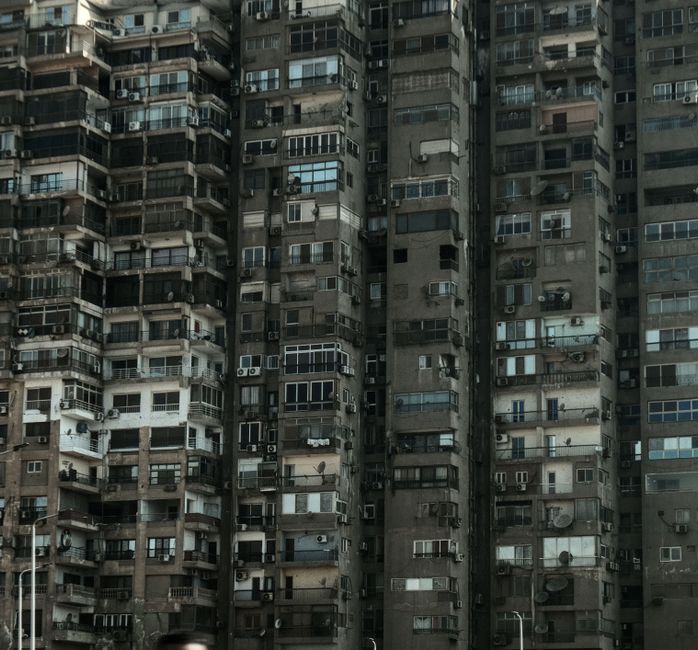
Meanwhile, traditional middle-class neighbourhoods like Nasr City and Ain Shams are experiencing rapid densification. What were once relatively affordable zones are being redeveloped with higher-rise residential towers, pushing land costs upward and pricing out younger buyers and families earning under EGP 200,000 annually.
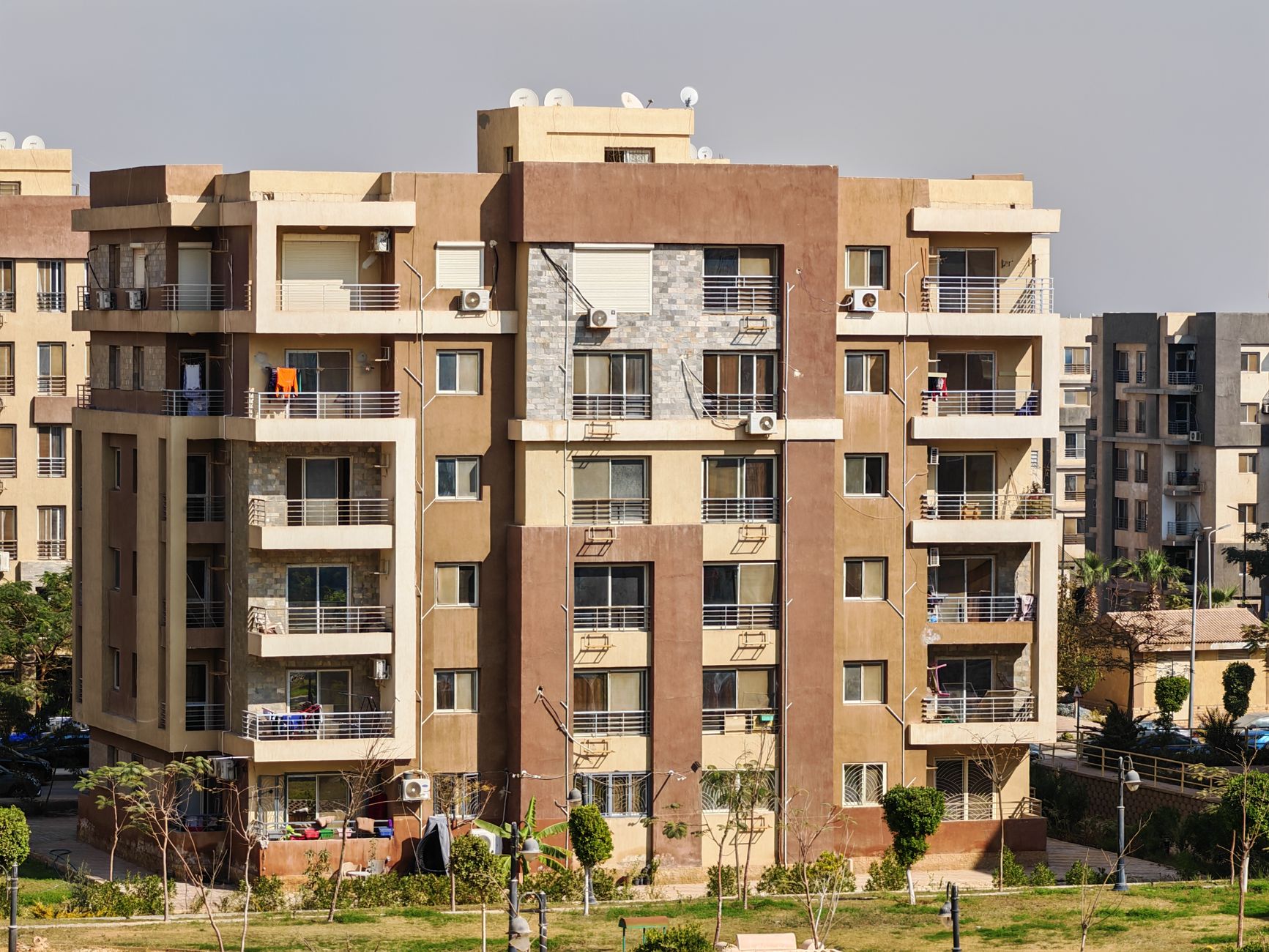
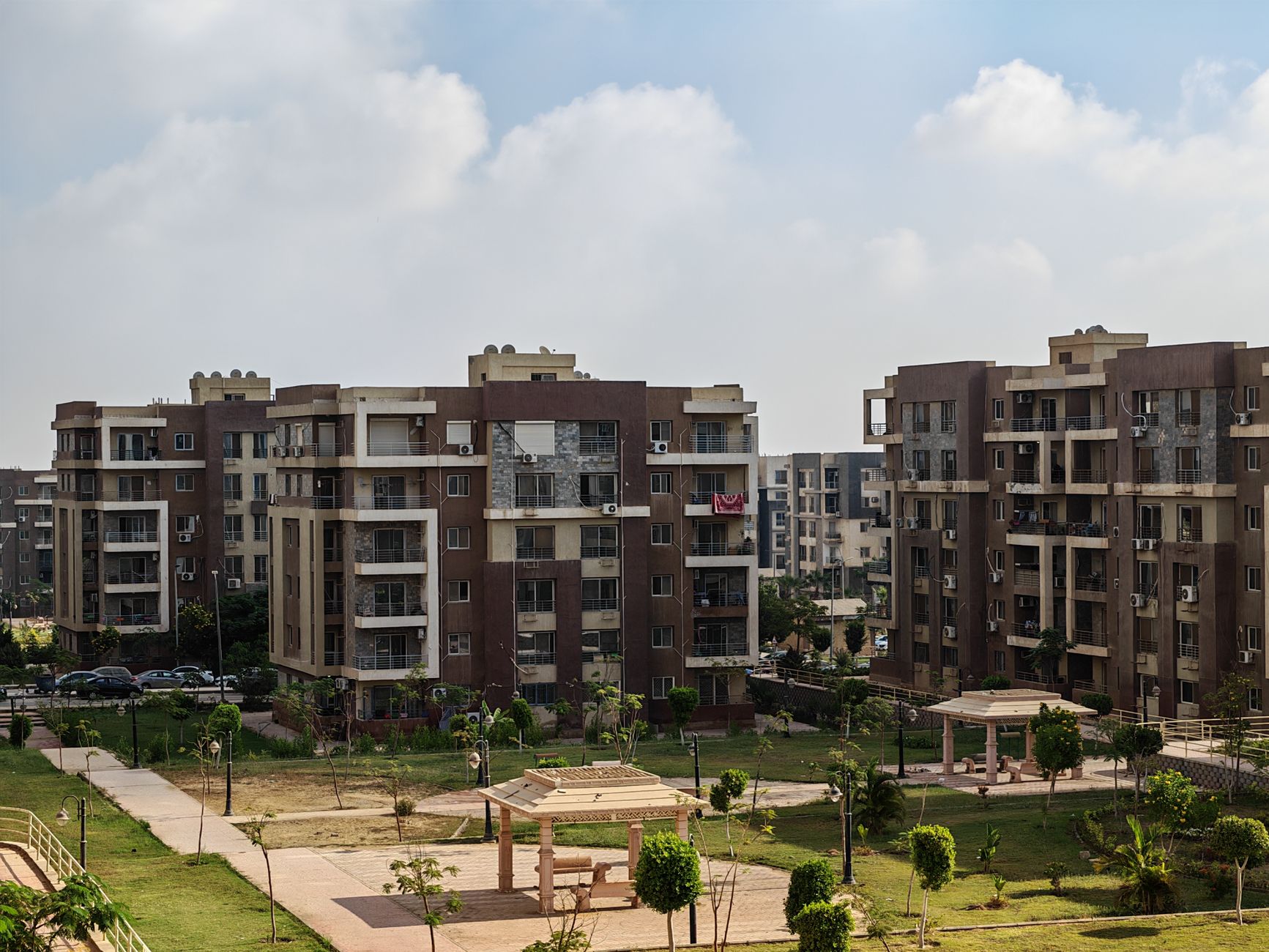
The government's Decent Life initiative and expanded social housing programme represent a conscious policy pivot toward addressing this gap. New phases of subsidised units in the New Administrative Capital and satellite cities like October City and New Cairo have absorbed significant state investment, yet delivery timelines remain extended. For buyers waiting on allocation lists, patience—and financial flexibility—remains essential.
Premium neighbourhoods like Zamalek and Maadi continue commanding EGP 150,000–200,000 per square metre, reinforcing a two-tier market. The expatriate enclave purchasing power in these areas insulates them from broader affordability pressures, but it also sets unrealistic benchmarks for aspiring homeowners elsewhere.
What should buyers prioritise right now? First: understand your true purchasing power before engaging agents or developers. Currency exposure and rising interest rates mean financing terms are tightening. Second: research project timelines carefully—delays are common, and off-plan purchases carry elevated risk. Third: consider emerging micro-markets. Areas along the Ring Road extensions and near the New Administrative Capital satellite zones offer relative value, though infrastructure completion remains inconsistent.
Regulatory transparency has improved marginally, but the market still lacks robust affordable housing targets enforceable on large private developers. Until that changes, middle-income Cairenes will continue navigating a market shaped more by construction costs and speculative demand than by genuine housing policy.
The bottom line: Cairo's affordability crisis won't resolve quickly. Buyers must act with eyes open to these underlying forces—and realistic expectations about what their budget can secure in 2026's tightening market.
This article was compiled by AI and screened before publishing. See our editorial standards.