Cairo's New Zoning Framework Reshapes Investment ...
As the Capital's planning authority tightens land-use rules, savvy buyers are recalibrating where they park their money—and which neighbourhoods stand to gain.
As the Capital's planning authority tightens land-use rules, savvy buyers are recalibrating where they park their money—and which neighbourhoods stand to gain.
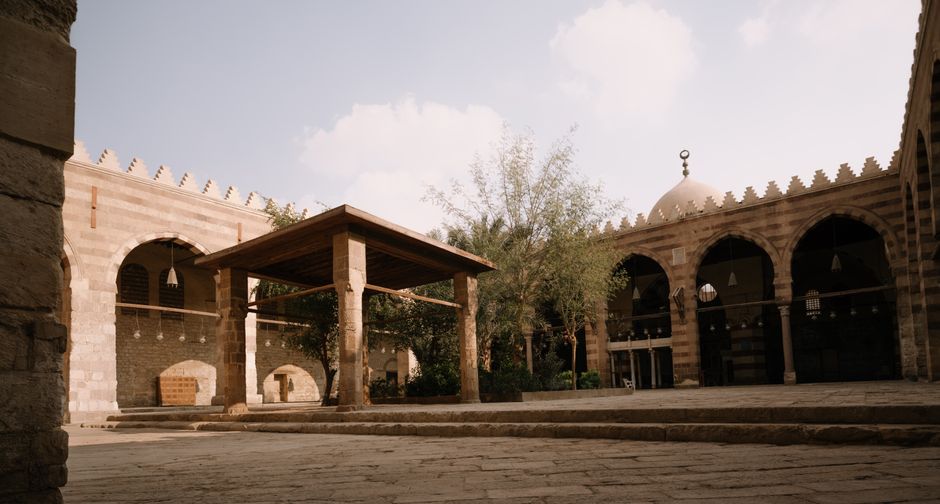
The Greater Cairo Planning Authority's landmark decision in March to restrict mixed-use development in Maadi's core residential belt has triggered a quiet but significant reallocation of investor attention across the metropolitan area. Properties along 9th Street and within the Maadi Saray zone—traditionally commanding EGP 95,000–110,000 per square metre—have seen velocity slow, while neighbourhoods on the policy's periphery report fresh momentum.
The policy shift, part of broader sustainability guidelines adopted ahead of the New Administrative Capital's expanded phase, explicitly limits commercial ground floors in single-family areas and mandates green-space contributions for new projects. For Maadi, long the expat enclave of choice, this means the neighbourhood's premium positioning is now anchored firmly to its residential character rather than mixed-income flexibility. That clarity appeals to certain buyers; it unsettles developers betting on rental yield from street-level retail.
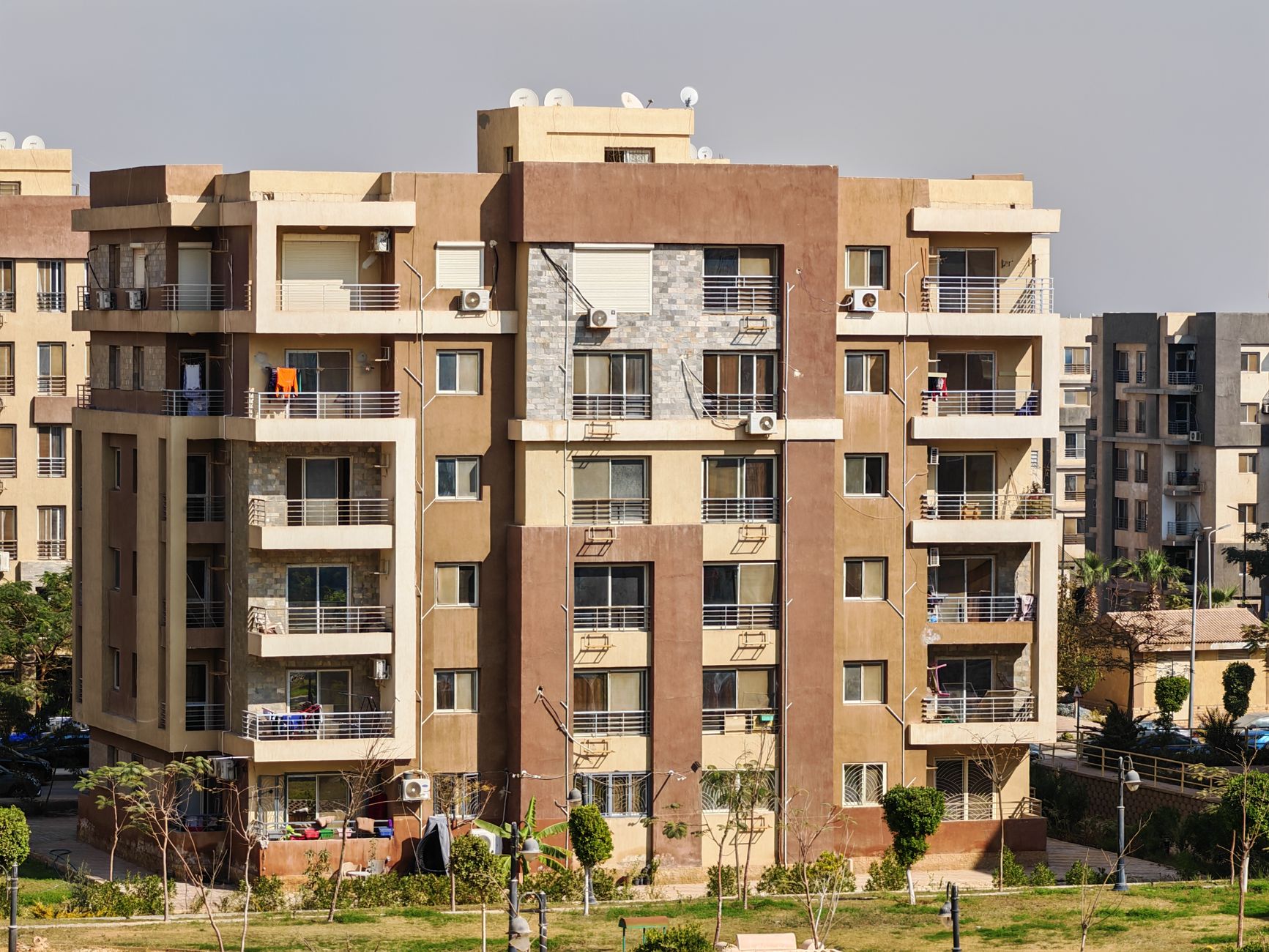
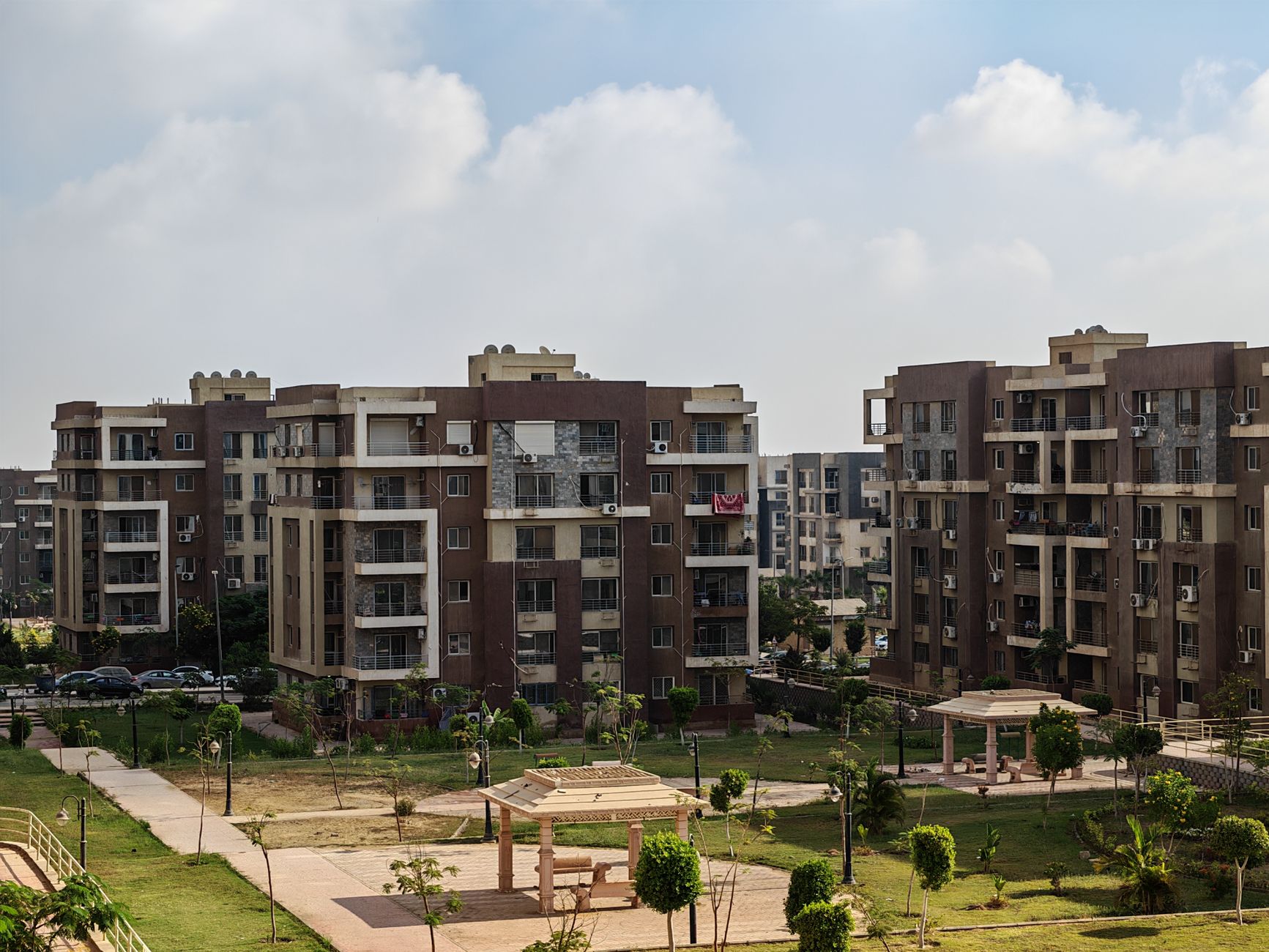
Meanwhile, October City and New Cairo are experiencing measurable investor uplift. The Authority's simultaneous approval of expanded infrastructure corridors around the Ring Road corridor has elevated properties in established October City compounds to EGP 85,000–92,000 per square metre—narrowing the traditional gap with Maadi while offering higher-density upside. New Cairo's business parks and office-zoned sectors are likewise benefiting from clarified land-use designations that remove regulatory uncertainty.
Zamalek presents a contrasting case. Stricter heritage guidelines adopted in May have constrained renovation-driven investment in older villa stock along the island's waterfront, yet properties meeting the new standards have seen valuation stability—a rarity in volatile Cairo markets. This bifurcation suggests policy clarity, even when restrictive, can anchor prices for compliant assets.
Perhaps most telling is the flight from intermediate neighbourhoods like Dokki and Agouza, where planning ambiguity persists. Without confirmed zoning designations, these areas—historically averaging EGP 72,000–78,000 per square metre—struggle to attract institutional capital.
Real estate agents tracking the shift note a marked shift in client conversations. Where investors once prioritised location-location-location, they now ask first: What does the Authority allow here? The question reflects a maturing market increasingly alive to policy risk. Neighbourhoods with explicit, investor-friendly frameworks—whether restrictive or permissive—are outperforming those in regulatory limbo.
As Cairo's planning apparatus tightens, the old adage rings truer than ever: in property, certainty itself has become premium real estate.
This article was compiled by AI and screened before publishing. See our editorial standards.
How does this story make you feel?
Spread the word
About this article
Published by The Daily Cairo
Daily brief
Free, in your inbox before 7am. Weekdays.
More in Property