Cairo Rental Investment 2026: New Zoning Rules Impact
Egypt's stricter zoning enforcement reshapes Cairo rental yields in Maadi and Dokki. Investors repositioning portfolios ahead of mid-2026 policy shifts—here's what changed.
Egypt's stricter zoning enforcement reshapes Cairo rental yields in Maadi and Dokki. Investors repositioning portfolios ahead of mid-2026 policy shifts—here's what changed.
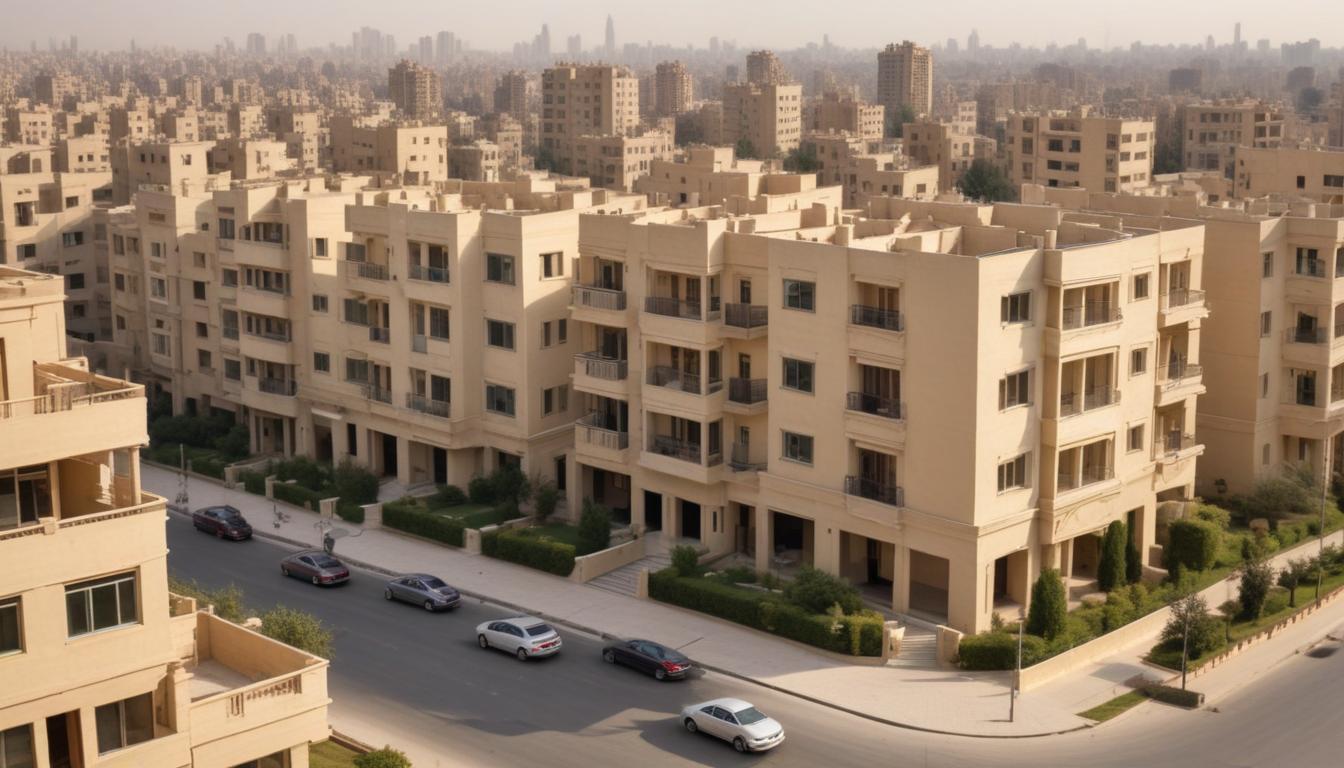
Cairo's rental investment landscape has always moved to the rhythm of regulatory change, and mid-2026 presents a critical inflection point. The recent signals from Egypt's New Urban Communities Authority—particularly clarifications around permitted land use in established neighbourhoods—have already begun reshaping yield expectations across the capital's most coveted postcodes.
Properties along Dokki's Nile-facing Gezira Street and the sprawling Maadi compounds have traditionally commanded rental yields of 4–6 percent annually, buoyed by expatriate demand and stable tenant profiles. Yet preliminary announcements about stricter enforcement of single-use zoning designations have landlords recalculating. Mixed-use conversions—converting ground-floor residential units into offices or retail—have been a quiet profit lever for years. The threat of reversal is already pricing into market expectations, with some investors reporting initial caution among buyer inquiries in September developments near the American University in Cairo.
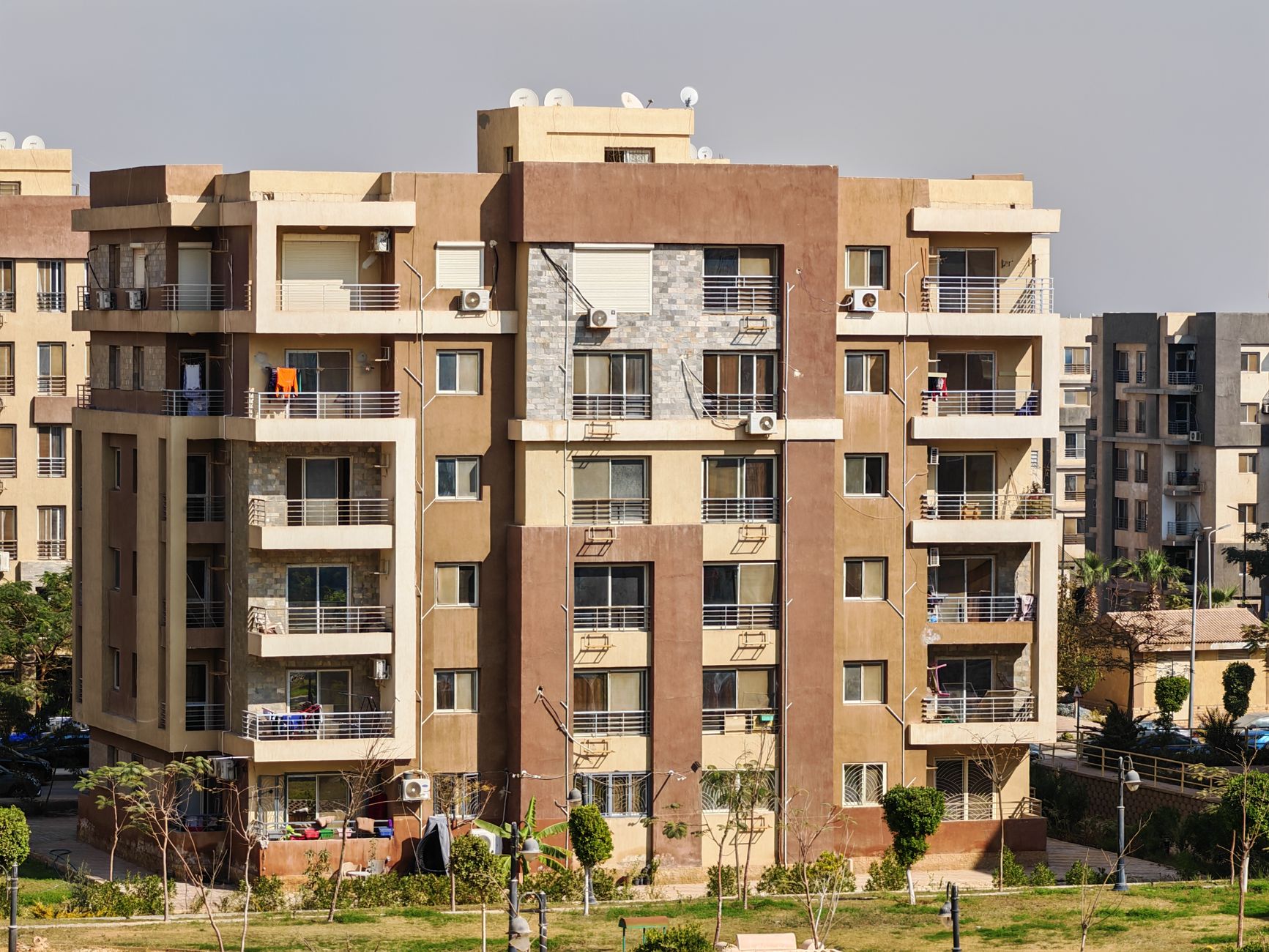
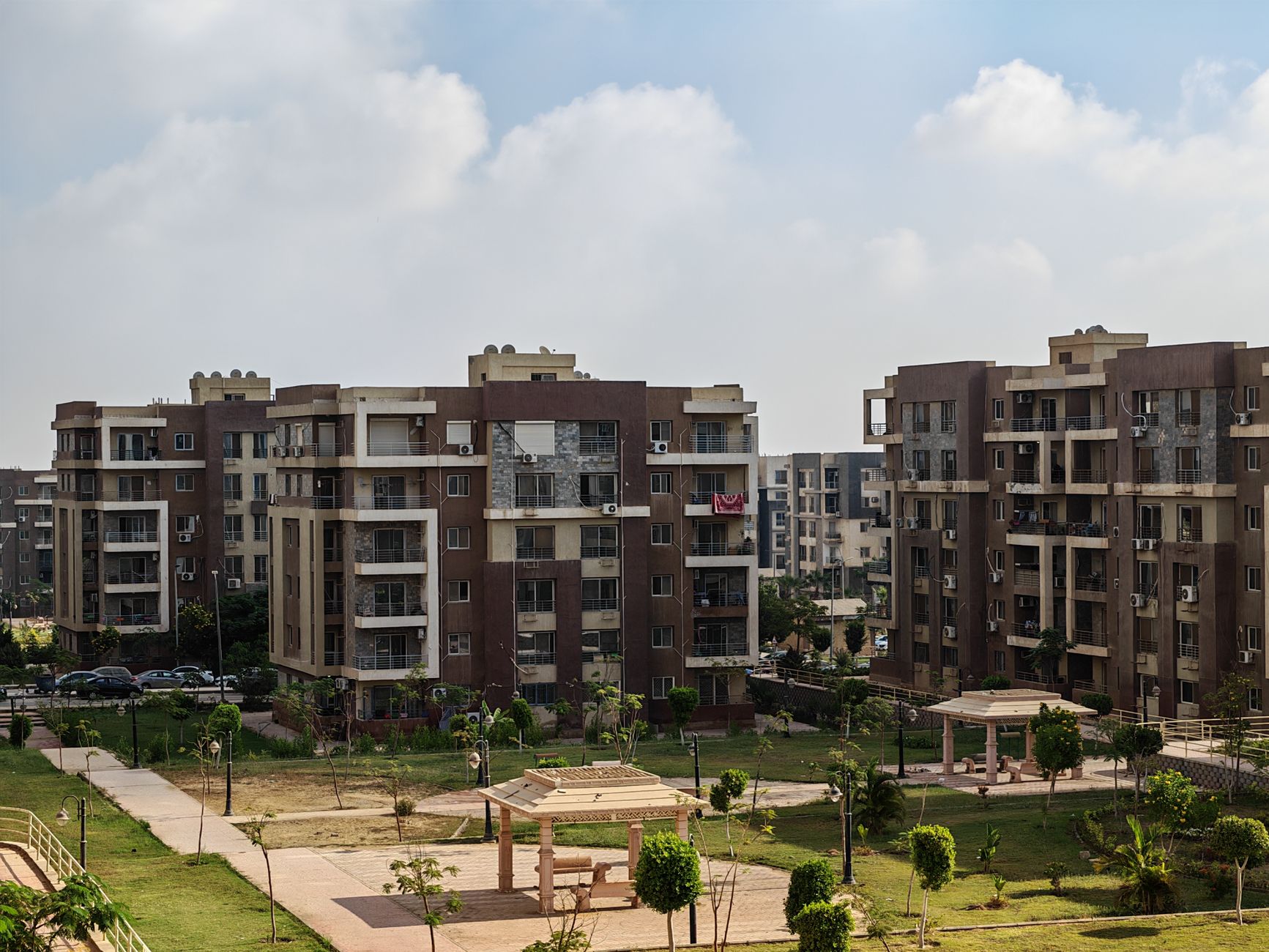
New Cairo and October City present a different equation. These master-planned zones operate under more formalised regulatory frameworks, and paradoxically, policy clarification here tends to improve long-term yield stability. A 5sqm apartment averaging EGP 80,000 per square metre translates to EGP 4 million capital outlay; at current yields of 3.5–4.5 percent in formalised compounds, the mathematics favour patient capital willing to accept government backing as a stability premium.
Zamalek, the island enclave beloved by diplomats and high-net-worth Cairo residents, faces its own regulatory headwind. Rumoured heritage preservation tightening around villa subdivisions could constrain the informal short-term rental market that has historically bolstered returns. Long-term lease yields in converted villas here remain resilient at 3–4 percent, but the upside volatility has compressed.
For landlords already holding portfolios, the strategic play is positioning. Properties in formally zoned communities—particularly those with established municipal services and transparent legal frameworks—are becoming the safer yield anchor. Conversely, assets in transitional neighbourhoods south of Helwan or bordering informal settlements carry higher policy risk but occasionally offer 7–8 percent returns for investors with a five-year outlook and appetite for regulatory uncertainty.
The New Administrative Capital's emergence has also begun leeching institutional money away from central Cairo. As government offices migrate eastward, Maadi and Dokki face subtle pressure, though their cultural institutions—the Gezira Club, the Opera House precinct—provide residual appeal.
The lesson for landlords is clear: policy announcement cycles now demand active portfolio triage rather than passive holding. Monitor the housing ministry's quarterly gazette updates, track informal settlement regularisation programmes, and stress-test assumptions around permitted land use. Cairo's yields are no longer solely a function of supply and demand—they're increasingly a function of the rulebook's next revision.
This article was compiled by AI and screened before publishing. See our editorial standards.
How does this story make you feel?
Spread the word
About this article
Published by The Daily Cairo
Daily brief
Free, in your inbox before 7am. Weekdays.
More in Property