Helwan emerges as Cairo's affordable housing hotspot as ...
As government subsidised schemes reshape Egypt's housing landscape, the historic industrial suburb south of the Nile is attracting first-time buyers and institutional investors alike.
As government subsidised schemes reshape Egypt's housing landscape, the historic industrial suburb south of the Nile is attracting first-time buyers and institutional investors alike.
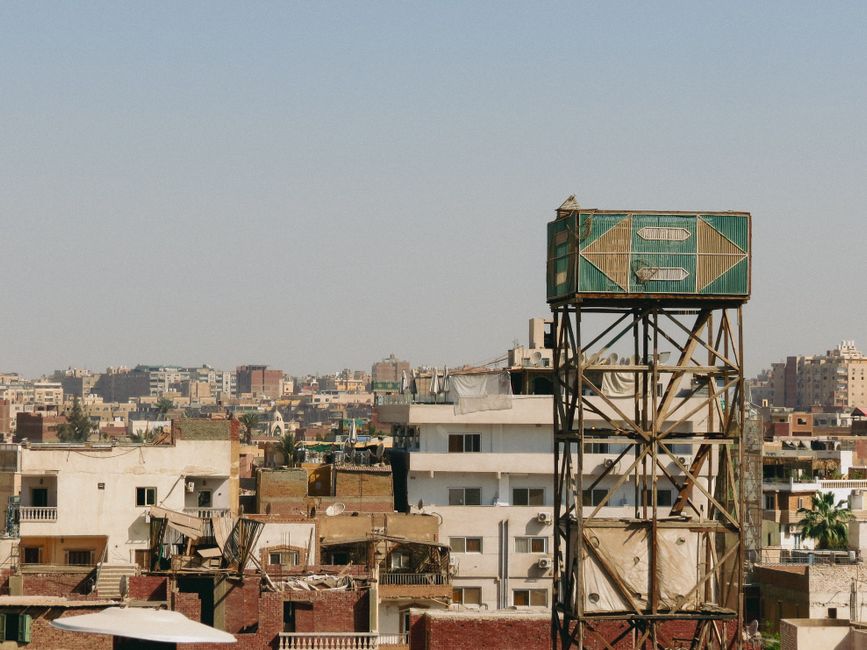
Helwan's transformation from Cairo's overlooked industrial periphery to an emerging affordable housing destination is reshaping investor sentiment across Egypt's property market. With average prices hovering around EGP 45,000 per square metre—nearly half the city average of EGP 80,000—the suburb is capturing attention from both individual buyers priced out of central neighbourhoods and larger developers betting on infrastructure expansion.
The shift reflects broader policy momentum. Egypt's Affordable Housing Initiative, accelerated in 2024, has channelled significant capital toward underdeveloped areas with genuine employment anchors. Helwan's industrial heritage—home to the Steel Company and Helwan University—provides genuine economic foundation lacking in speculative developments further east.
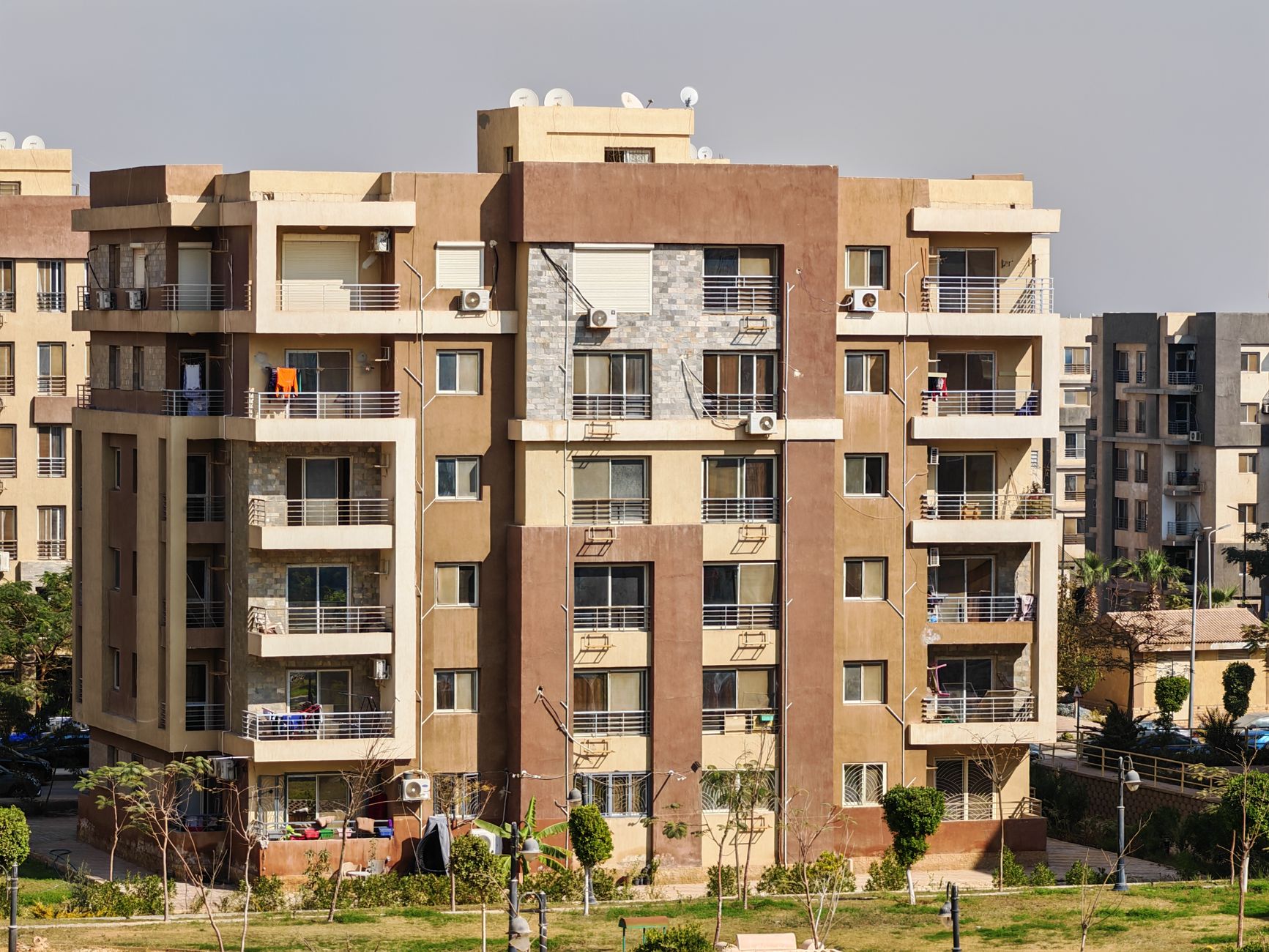
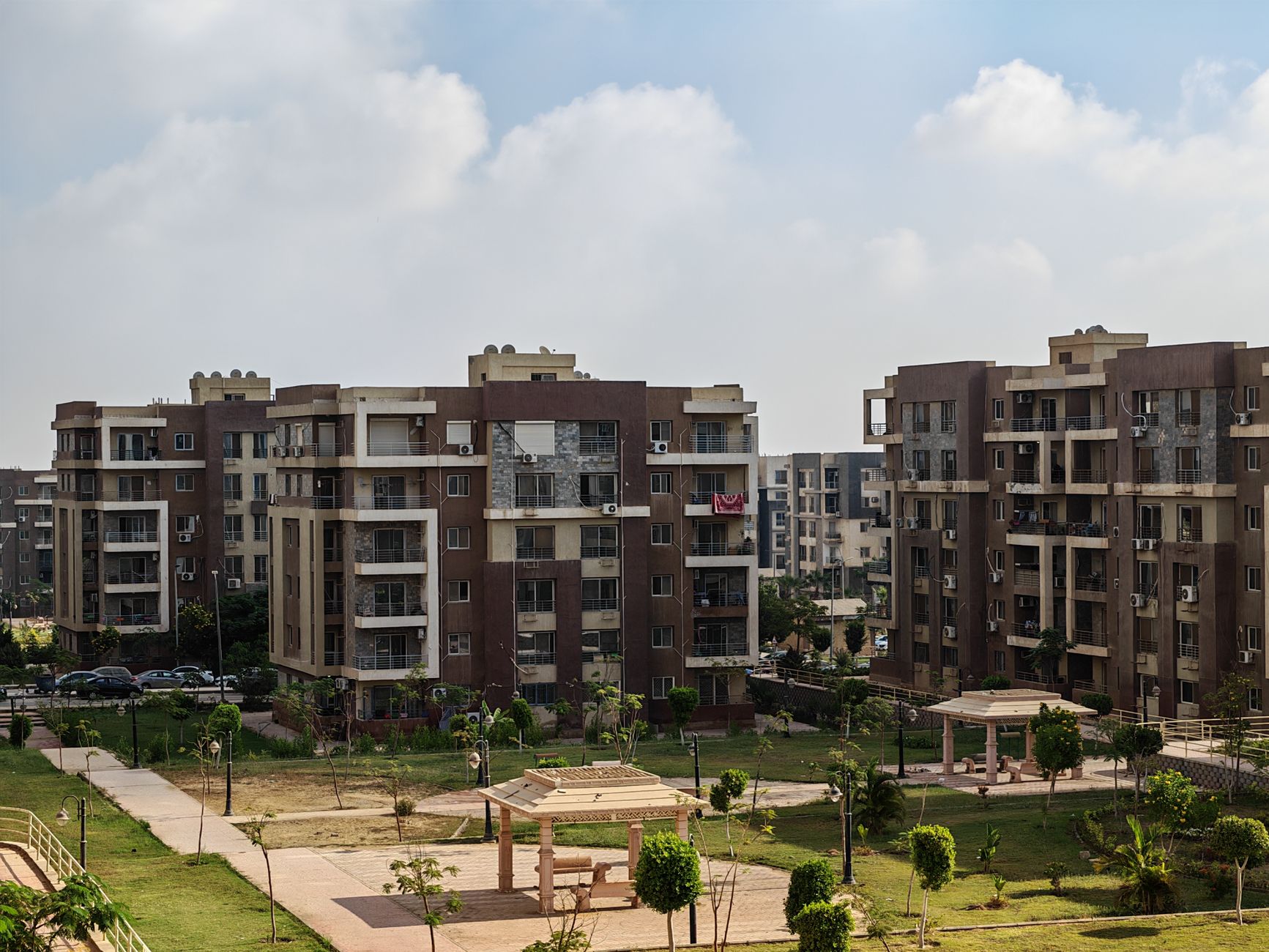
Recent developments along the Corniche Al-Helwan waterfront have signalled serious market intent. Mid-rise residential compounds targeting middle-income households are selling units at EGP 2.2–2.8 million for 100–130 square metre apartments, a price point impossible in Zamalek or Maadi's established enclaves. Several projects have integrated community facilities including small healthcare clinics and commercial ground floors, addressing quality-of-life concerns that plagued earlier iterations of the suburb.
The Cairo Metro extension—now servicing Helwan's northern precincts with direct links to Downtown Cairo and Tahrir—has materially altered commute calculus. What once required 90 minutes by minibus now takes 35 minutes by rail. This infrastructure reality is beginning to reflect in valuations, with properties within 500 metres of metro stations commanding 12–15 percent premiums.
Institutional appetite has followed suit. The New Urban Communities Authority (NUCA) has approved mixed-income developments on former industrial sites near the Helwan Cement Works, repositioning contaminated brownfield areas as genuine residential opportunities rather than longstanding blight. Environmental remediation standards—stricter under recent housing regulations—have increased development costs but enhanced buyer confidence in long-term habitability.
Market sentiment isn't uniformly bullish. Helwan's reputation for pollution and traffic congestion persists, particularly around the industrial corridor west of the railway. Older stock in central Helwan (near Saray Al-Qobba Street) remains challenged by aging infrastructure and limited renovation activity. Differentiation between quality new-build projects and deteriorating residential clusters is increasingly pronounced.
Yet the numbers tell a compelling story for patient investors. Land acquisition costs remain 35–40 percent below comparable undeveloped plots in New Cairo or October City. Rental yields on newer units are tracking 5–6 percent annually, competitive with established mid-range suburbs. For developers, Helwan offers regulatory tailwinds, abundant labour supply, and genuine demographic demand from Cairo's expanding middle class seeking ownership within reach.
As Cairo's housing shortage persists and central areas remain unaffordable, Helwan's revival mirrors international patterns: industrial peripheries, properly serviced and governed, become tomorrow's neighbourhood success stories.
This article was compiled by AI and screened before publishing. See our editorial standards.
How does this story make you feel?
Spread the word
About this article
Published by The Daily Cairo
Daily brief
Free, in your inbox before 7am. Weekdays.
More in Property