Cairo's Rental Vacancy Crisis: How New Planning Rules Are Reshaping Tenant Options
Stricter regulations on short-term rentals and mixed-use zoning are widening Cairo's rental gap, forcing families and expats to reassess neighbourhoods and budgets.
Stricter regulations on short-term rentals and mixed-use zoning are widening Cairo's rental gap, forcing families and expats to reassess neighbourhoods and budgets.
Cairo's rental market is experiencing a quiet but significant shift. New housing authority guidelines introduced in early 2026, designed to curb speculative short-term letting and enforce stricter building code compliance, have unexpectedly tightened vacancy rates across premium neighbourhoods—while creating unexpected opportunities elsewhere.
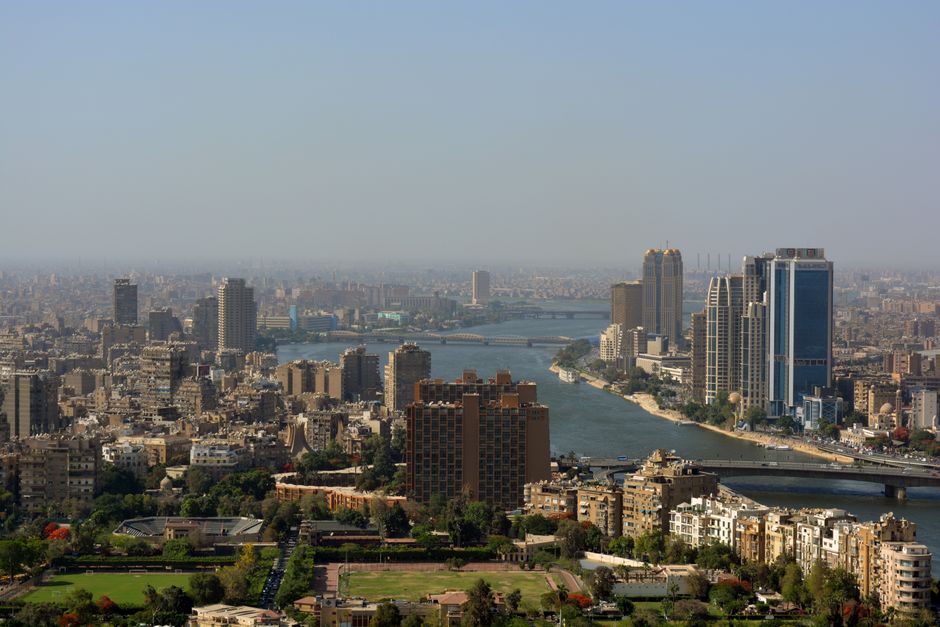
The Central Agency for Public Mobilisation and Statistics (CAPMAS) reported in May that furnished rental vacancy in central Cairo districts fell to 4.2%, down from 8.7% two years ago. Properties along the Nile corniche in Zamalek and Garden City, once anchored by seasonal expat rotations, are now locked into longer leases as landlords avoid the administrative burden of frequent turnovers. Average monthly rents in Zamalek have climbed to EGP 2,500–4,000 per square metre annually, pricing out mid-tier tenants.
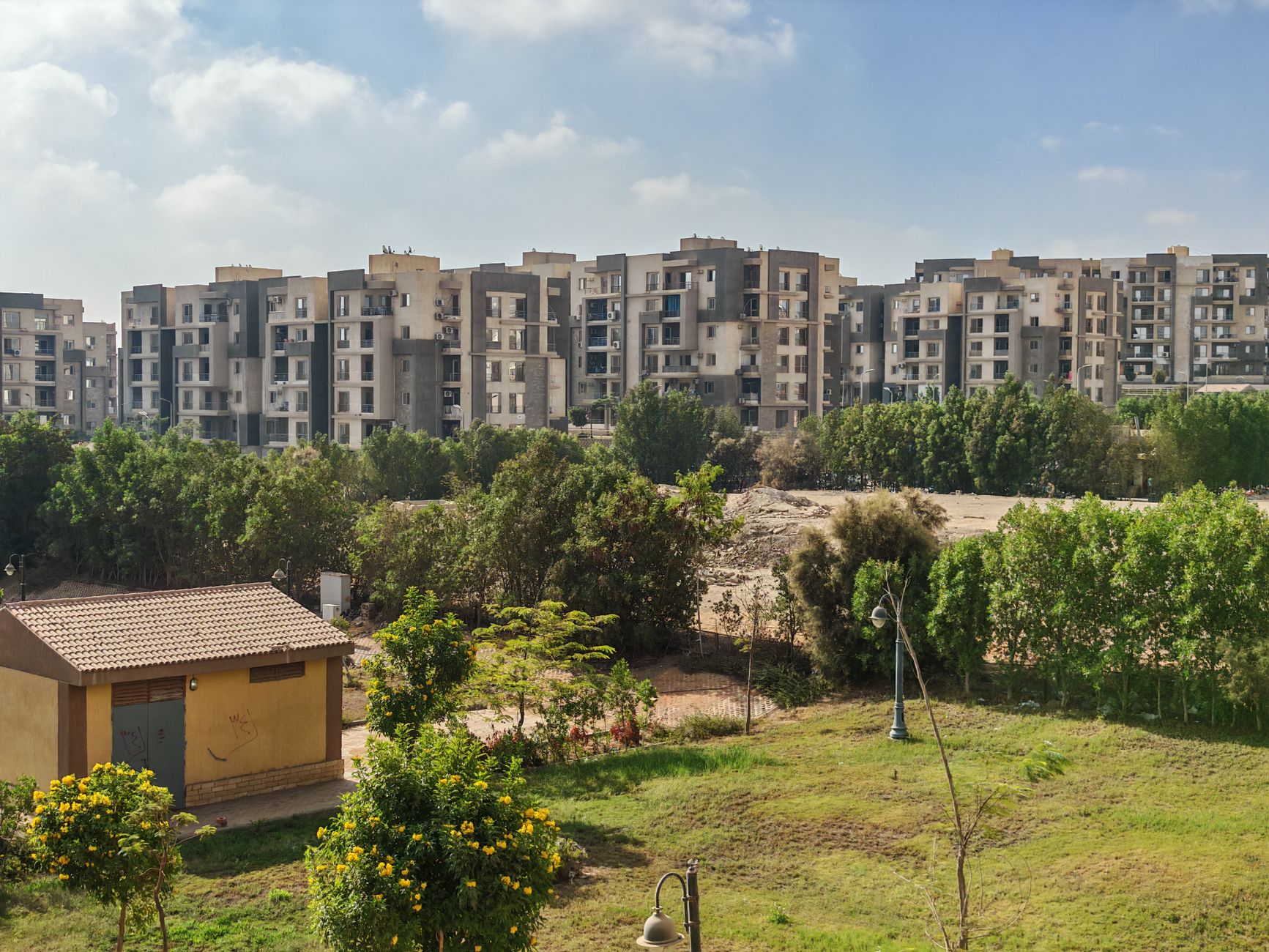
The policy shift favours long-term residency. New Administrative Capital developments—Dar Al-Baraka and neighbourhoods near the Financial District—have absorbed spillover demand, with EGP 600–900/sqm annual rental rates attracting young professionals priced out of inner Cairo. Meanwhile, Maadi's reputation as an expat enclave has intensified; landlords there report 98% occupancy, with waiting lists commonplace on streets like Road 9 and around the Maadi House cultural venue.
But the crisis is uneven. Heliopolis and Nasr City, historically middle-class strongholds, now show higher vacancy—around 6.5%—as families migrate toward New Cairo and October City's newer stock. These satellite cities, with integrated commercial zones approved under revised 2025 planning codes, offer mixed-use convenience that inner districts cannot replicate. Rents there average EGP 50,000–70,000 annually per sqm, substantially below central averages.
For tenants, the message is clear: flexibility pays. Those willing to commit to two-year leases in Zamalek or Garden City can negotiate 10–15% discounts. Families seeking modern amenities at accessible prices should explore Sheikh Zayed City or New Cairo's District 5, where planning authorities have fast-tracked residential permits. Expats accustomed to serviced accommodation face hard choices: commit long-term or migrate to emerging hubs offering furnished options.
The real estate federation has flagged concerns about affordability, particularly for mid-income Egyptians. Yet policy makers argue the regulations prevent predatory short-term tourism conversions and encourage stable communities. As Cairo's rental market continues recalibrating, neighbourhoods—not just price—will define tenant experience.
This article was compiled by AI and screened before publishing. See our editorial standards.
How does this story make you feel?
Spread the word
About this article
Published by The Daily Cairo
Daily brief
Free, in your inbox before 7am. Weekdays.
More in Property