Cairo's ultra-premium property sector is experiencing its sharpest acceleration in five years, with flagship addresses in Zamalek commanding upwards of EGP 2.5 million per square metre—more than 30 times the city average. Yet beneath the glittering surface of waterfront villas and penthouses overlooking the Nile lies a complex market dynamic that separates informed investors from those chasing yesterday's trends.
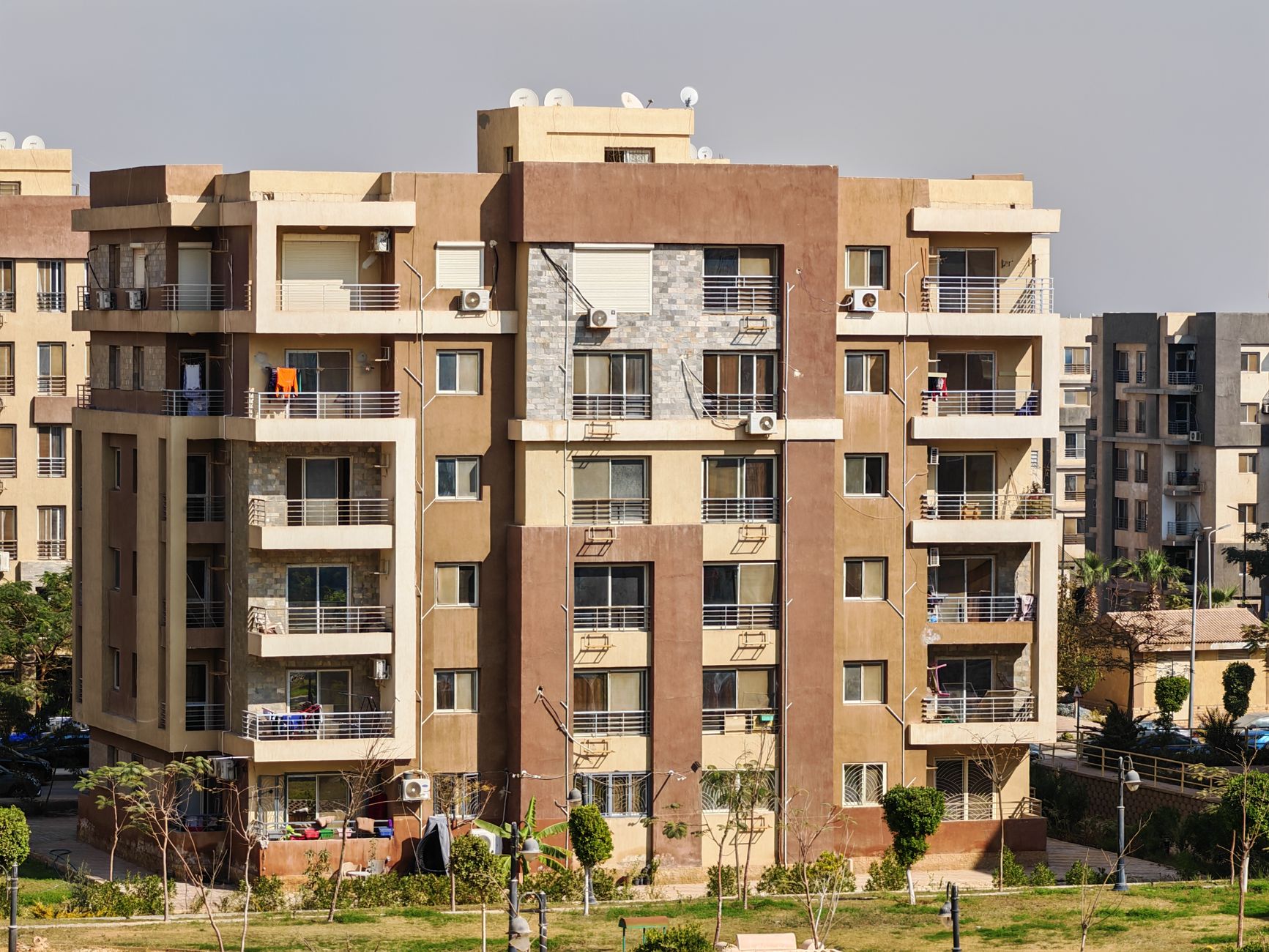
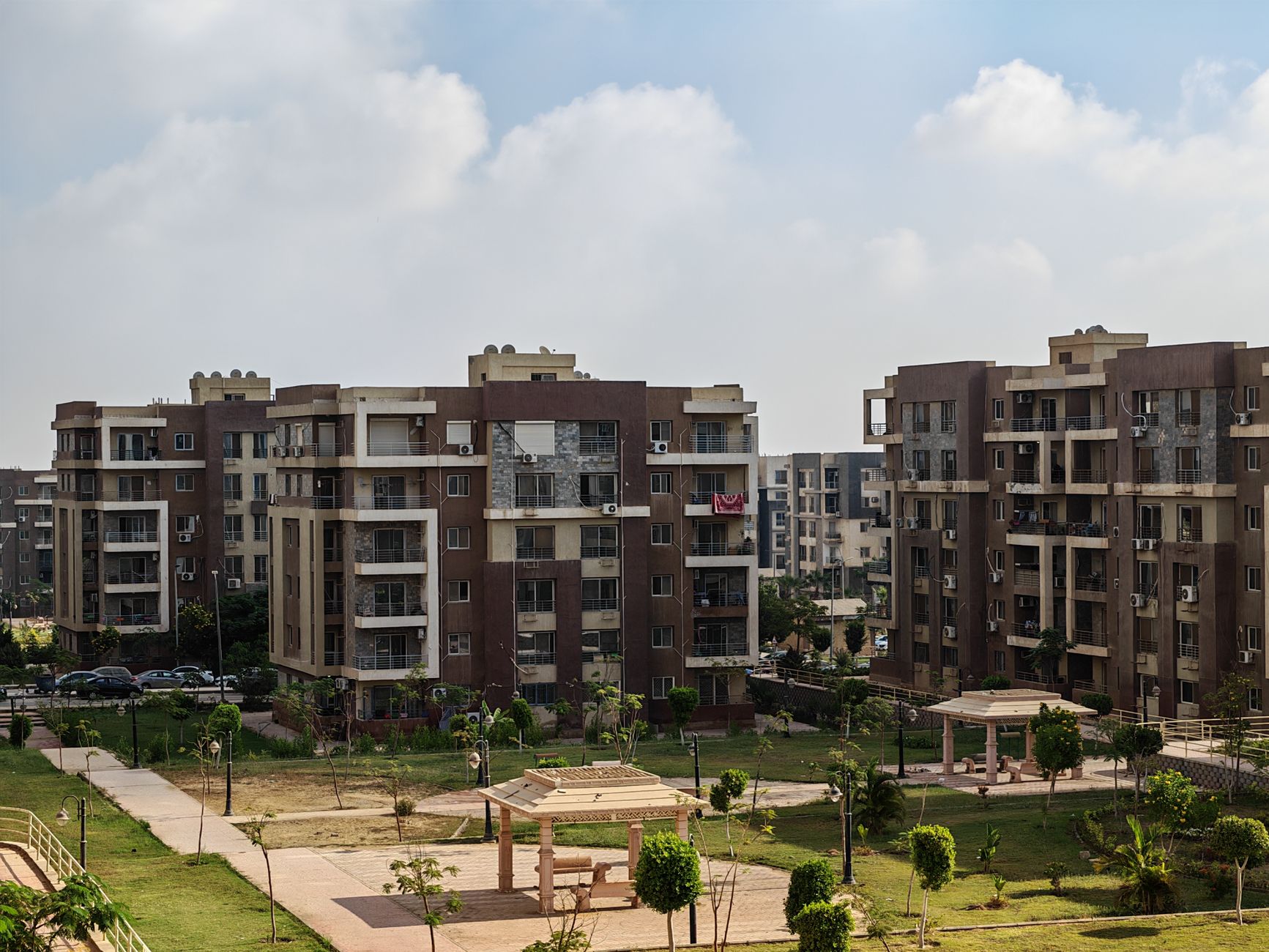
The primary driver remains scarcity. Developable land on the island's tree-lined streets—26th of July Street, Saray el-Gezira, and the coveted Nile corniche—has virtually dried up. Similarly, Maadi's tree-belt neighbourhoods and established gated communities command premiums because supply is locked in place. Meanwhile, New Cairo's Fifth Settlement continues attracting Gulf and European investors seeking modern infrastructure, with triple-digit price appreciation over the past decade concentrated in compounds around the American University in Cairo and Mall of Arabia.
Foreign capital inflows have fundamentally reshaped buyer demographics. Diplomatic missions, international organisations, and expatriate professionals represent 40-50% of luxury transaction volume in Maadi and Zamalek, according to property professionals. This external demand cushions prices against local economic cycles, but it also introduces currency volatility and geopolitical sensitivity that domestic buyers must factor in.
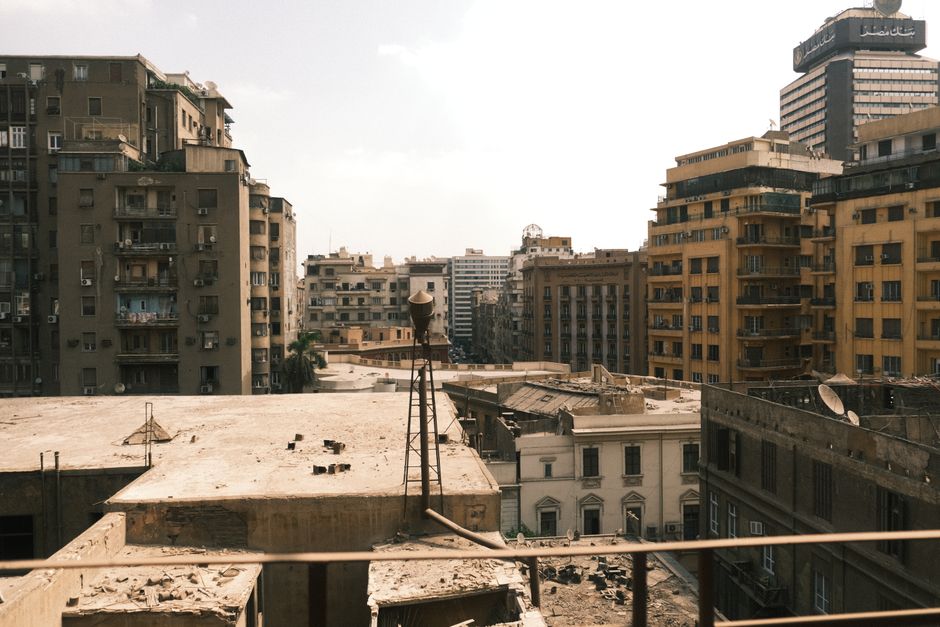
The New Administrative Capital's emergence presents a critical wild card. While NAC has absorbed institutional investment and government-sector relocations, it has paradoxically sharpened demand for established, proven prestige addresses in central Cairo. Properties with heritage appeal, tree maturity, and proven tenant bases have emerged as safe-haven assets—a dynamic not lost on institutional investors.
However, buyers entering this market now face three urgent considerations. First, regulatory clarity around foreign ownership restrictions, property taxes, and capital gains has remained opaque; legal consultation is non-negotiable. Second, maintenance and property management costs for older Zamalek villas and Maadi estates can reach 8-12% annually—often underestimated by international purchasers accustomed to standardised fees. Third, liquidity remains thin at the ultra-premium tier; exiting a EGP 500 million property within months may prove impossible.
The market's narrative has shifted from speculative appreciation to yield-focused sustainability. Smart investors are prioritising locations with dual appeal—professional rental potential alongside residential prestige—rather than betting solely on capital growth. In this environment, Maadi's proximity to the American Chamber of Commerce and established international schools, or New Cairo's corporate park adjacency, increasingly justify premium valuations beyond pure scarcity.
Cairo's luxury sector is maturing. Success now demands sophistication, not just capital.
This article was compiled by AI and screened before publishing. See our editorial standards.