First-Time Buyer's Map: Navigating Cairo's Neighbourhood Investment Landscape in 2026
From emerging administrative hubs to established expat enclaves, here's where new property investors should look—and what to expect.
From emerging administrative hubs to established expat enclaves, here's where new property investors should look—and what to expect.
For first-time property buyers in Cairo, the market's complexity can feel overwhelming. With prices averaging EGP 80,000 per square metre citywide and neighbourhoods ranging from affordable to ultra-premium, knowing where to start is half the battle.
The established hierarchy remains clear. Zamalek, the island enclave between the Nile's two branches, continues commanding top prices for luxury apartments with river views and proximity to the Four Seasons and exclusive clubs. Maadi, south of downtown, remains Cairo's preferred expat neighbourhood—tree-lined streets, international schools, and the Maadi Club's sporting facilities justify its premium positioning. For investors seeking prestige without central location costs, these areas deliver, though entry points typically begin well above the citywide average.
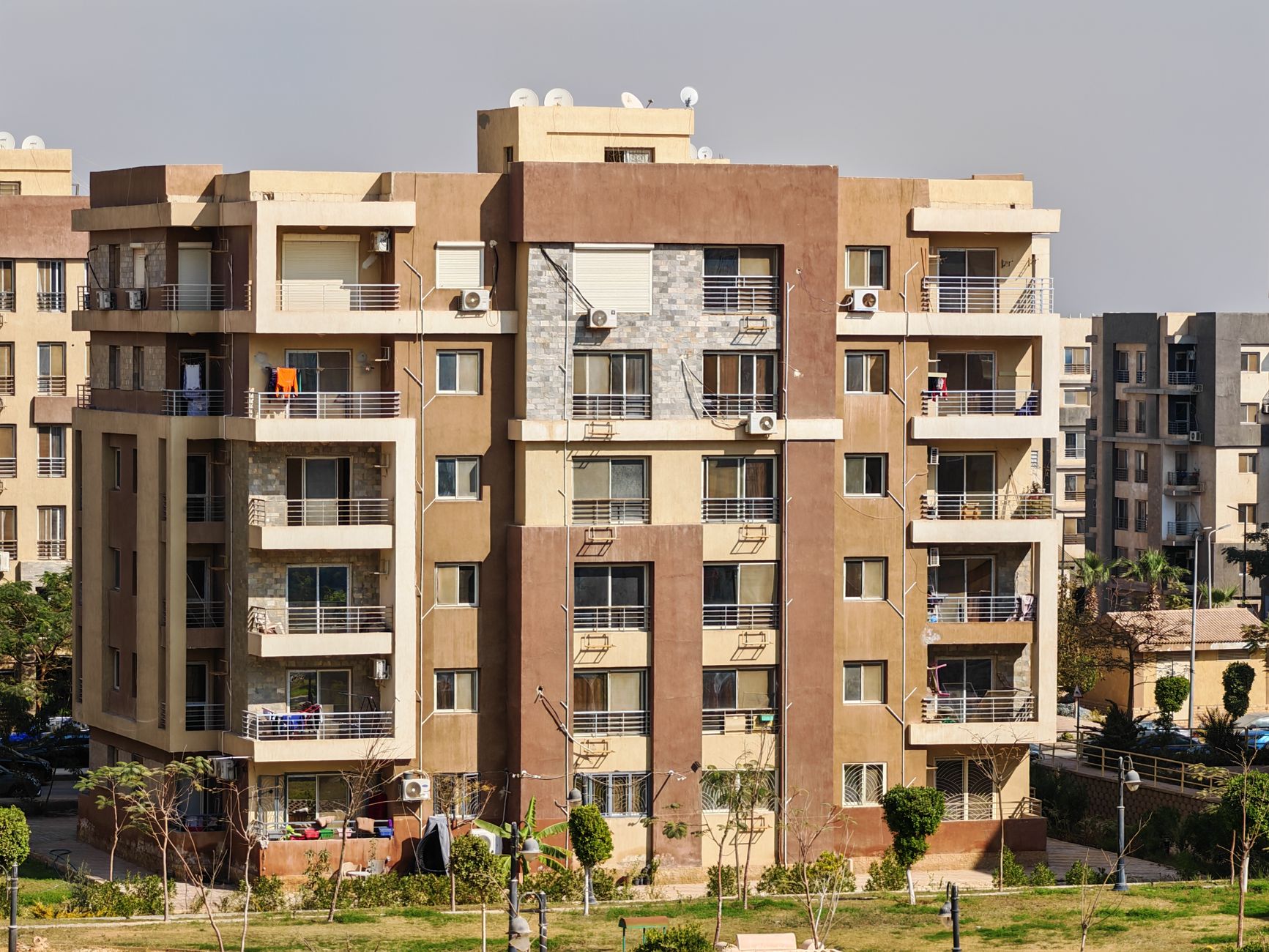
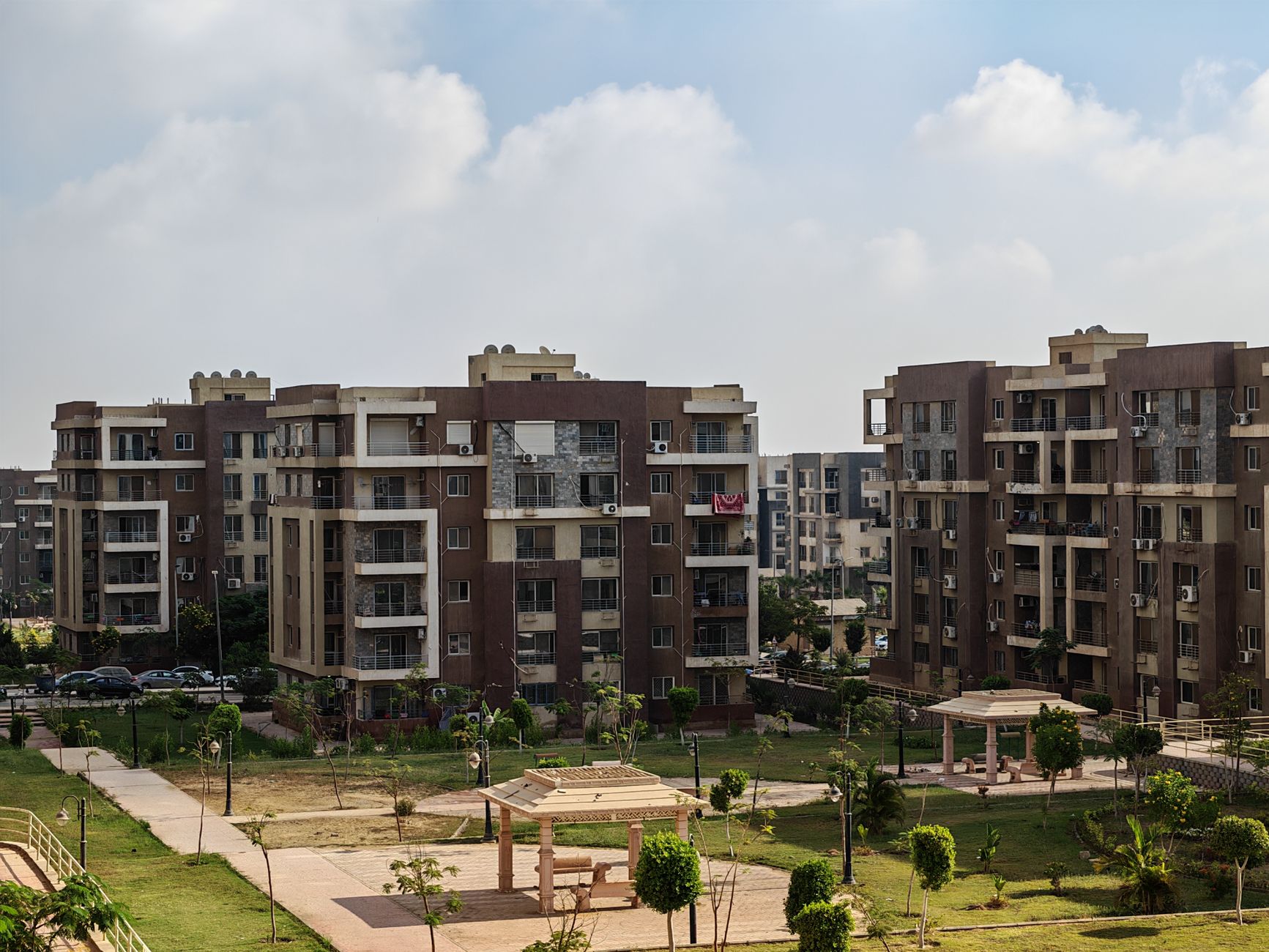
The real opportunity for first-time buyers lies in understanding Cairo's next wave. New Cairo and October City, sprawling east-desert developments, have matured from speculative real estate into functional communities. Schools, malls, and offices now anchor these areas; prices here typically run 20–30% below downtown equivalents. The New Administrative Capital, Egypt's flagship development further east, represents longer-term positioning—infrastructure rollout continues, and government relocation will ultimately drive demand.
Heliopolis, often overlooked by international buyers, offers a middle ground: walkable neighbourhoods, cultural heritage, and emerging revitalisation projects along streets like Urman and Nile Street. Prices remain below Maadi and Zamalek, while community infrastructure is established.
First-time buyers should prioritise three factors. First, proximity to employment hubs: Giza's tech corridor and New Cairo's business park concentration matter for daily life. Second, infrastructure maturity—electricity, water, security, and transport links directly affect resale appeal. Third, community anchors: schools, hospitals, and retail define neighbourhood value beyond property walls.
Financing remains critical. Egyptian banks offer mortgages up to 80% of property value, though rates and documentation requirements favour established buyers. Exploring programmes through the Ministry of Housing or private lenders early will clarify your actual purchasing power.
The clearance landscape has shifted. Fewer distressed sales mean negotiation margins have tightened, particularly in premium zones. This favours prepared buyers: pre-approved financing, clear title searches, and professional legal review are non-negotiable.
Rather than chasing headlines about speculative megaprojects, new buyers should focus on neighbourhoods where daily life already functions—where your money buys tangible community benefit today, not merely tomorrow's promise. Cairo's property market rewards those who understand the difference.
This article was compiled by AI and screened before publishing. See our editorial standards.
How does this story make you feel?
Spread the word
About this article
Published by The Daily Cairo
Daily brief
Free, in your inbox before 7am. Weekdays.
More in Property