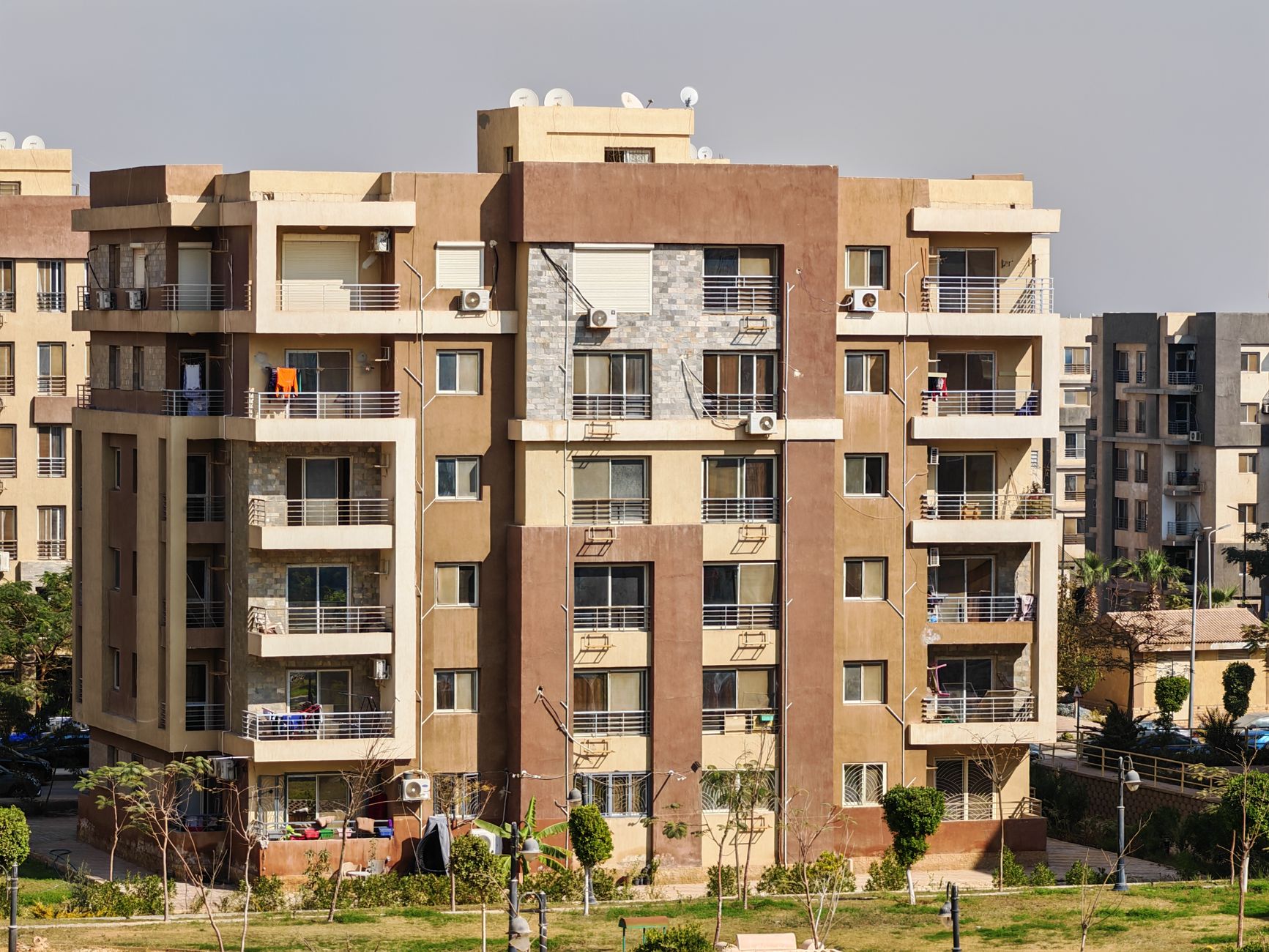
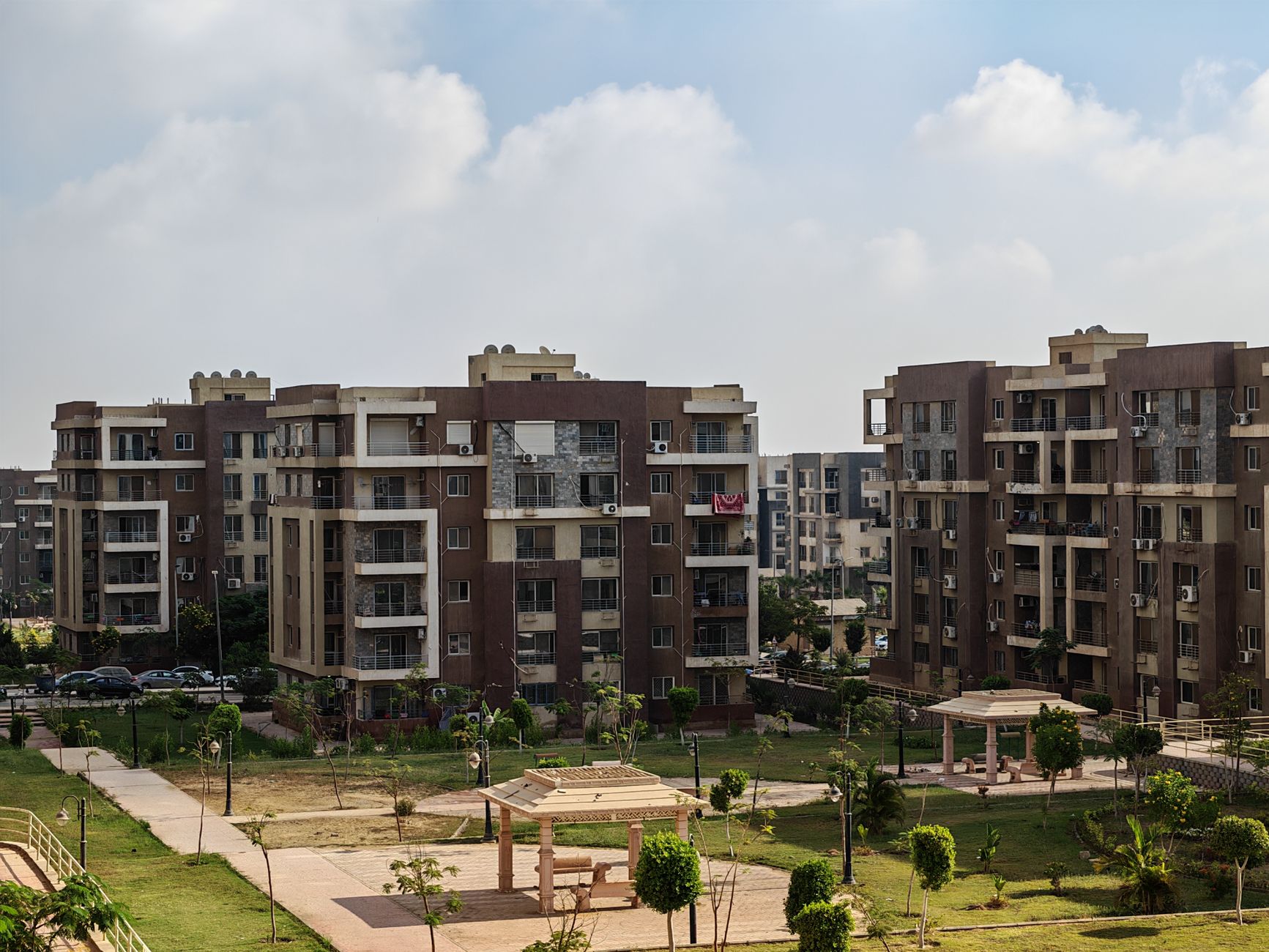
For decades, Cairo's luxury property narrative has centred on three familiar anchors: the island prestige of Zamalek, the manicured compounds of New Cairo, and the diplomatic enclave comfort of Maadi. Yet a quieter revolution is unfolding west of the Nile, where Sheikh Zayed City—once dismissed as peripheral—has transformed into one of Egypt's most compelling investment hotspots for high-net-worth buyers seeking both appreciation and space.
The numbers tell a compelling story. Villa prices in Sheikh Zayed's premium zones have climbed from approximately EGP 15,000 to EGP 20,000 per square metre in just 24 months, significantly outpacing the Cairo metropolitan average of EGP 80,000 per square metre in established neighbourhoods. Yet the absolute entry costs remain remarkably accessible: a sprawling four-bedroom villa on the city's tree-lined boulevards near Al-Ahram Street commands EGP 8–12 million, compared to EGP 15–25 million for equivalent Zamalek addresses.
What's catalysing this shift? Infrastructure completion. The New Administrative Capital's proximity—merely 50 kilometres east—has incentivised commercial and residential development along the Sheikh Zayed-October City corridor. Shopping malls, medical facilities, and international schools have materialised within two years, transforming what was primarily a bedroom community into a self-contained ecosystem. The recent completion of widened arterial roads connecting Sheikh Zayed to the Ring Road has halved commute times to downtown Cairo.
Property consultants attribute the surge to a confluence of factors. First, New Cairo and October City face saturation; new projects here command premiums that no longer reflect actual amenity advantage. Second, Sheikh Zayed's governance structure—managed by the New Urban Communities Authority—ensures consistent maintenance and security protocols, reducing the friction that plagues older neighbourhoods. Third, villa typology appeals to expatriate and upper-middle-class Egyptian families seeking compound living without October City's congestion or Zamalek's density.
The investor profile has shifted accordingly. Rather than speculative foreign capital, today's buyers are Cairo-based entrepreneurs, medical professionals, and business families treating Sheikh Zayed as a long-term residential anchor, with modest resale expectations of 6–8% annual appreciation. Rental yields hover around 4–5%, modest by regional standards but competitive against traditional Cairo alternatives.
Not without caution, however. Infrastructure projects remain vulnerable to funding delays. Residential spaces still lack the cultural cachet—Michelin-adjacent dining, boutique galleries, heritage landmarks—that justify Zamalek's premium. Yet for investors tired of betting on Cairo's saturated luxury core, Sheikh Zayed represents a rational pivot: legitimate growth, manageable risk, and genuine livability.
This article was compiled by AI and screened before publishing. See our editorial standards.