Cairo's Rental Squeeze: How New Zoning Laws Are ...
Stricter regulations on informal housing conversions and the Administrative Capital's pull are driving unexpected landlord behaviour—and leaving tenants navigating a fractured market.
Stricter regulations on informal housing conversions and the Administrative Capital's pull are driving unexpected landlord behaviour—and leaving tenants navigating a fractured market.
Cairo's rental market is experiencing a peculiar paradox. Despite average residential property valued at EGP 80,000 per square metre, vacancy rates in established neighbourhoods like Maadi and Zamalek have shifted dramatically since the government tightened zoning enforcement in early 2026. The policy, designed to regulate informal subdivisions and ensure building code compliance, has inadvertently created supply-side chaos that tenants must now navigate strategically.
The Administrative Capital's expansion—now hosting government ministries and attracting both employers and residents—has drained rental stock from central Cairo's traditional expat enclaves. Maadi, historically a stable rental hub for diplomatic and corporate families, has seen landlords hold properties vacant rather than rent short-term, anticipating capital appreciation or hoping for owner-occupancy after bureaucratic delays ease. Similarly, New Cairo and October City, once reliably accessible for middle-income renters, are experiencing selective vacancy as developers convert older multi-unit buildings into premium single-family compounds.
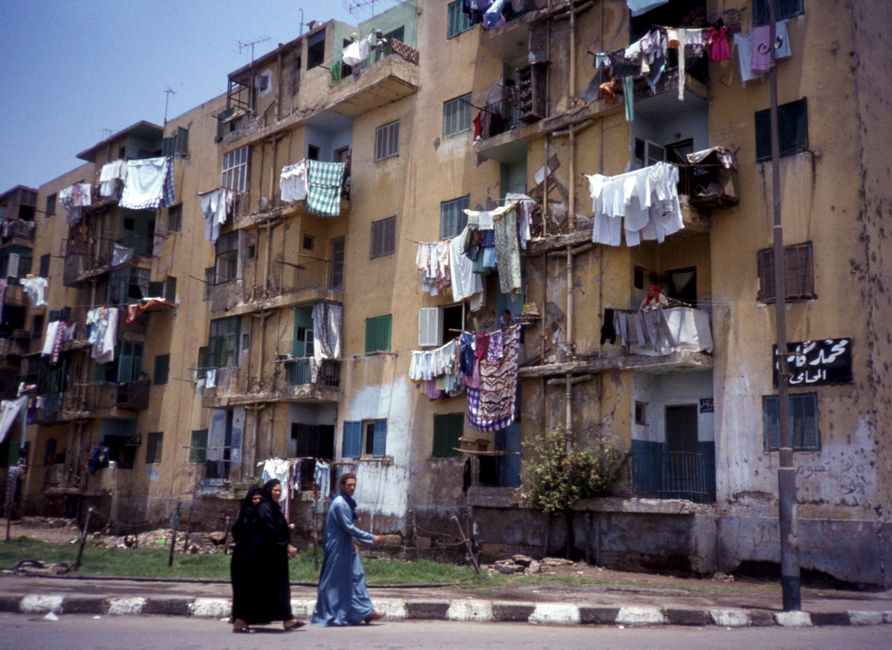
Zamalek island presents a contrasting picture. Its luxury positioning has insulated it from policy turbulence, with rents climbing despite modest vacancy in older walk-ups along 26th of July Street. However, informal rental markets in Garden City and Downtown—where subdivided family villas historically housed multiple tenant families—have contracted sharply. New enforcement against unpermitted room rentals has pushed informal supply underground, complicating tenant access to budget-friendly options.
Housing rights organisations report growing tenant complaints about rapid lease terminations as landlords reorganise properties for compliance or sale. The Real Estate Chamber of Commerce has signalled that clarity on enforcement timelines would stabilise the market, yet regulation remains unevenly applied across districts.
For tenants, the current environment demands vigilance. Those seeking stability should prioritise neighbourhoods with active formal rental infrastructure—where property management companies dominate and regulation is already embedded. Maadi and Zamalek offer predictability if budgets allow. Mid-market renters exploring New Cairo or October City should verify zoning status and landlord intent before signing; properties in transition pose risk. Downtown and Garden City renters hunting value should expect tighter supply and favour formal lease arrangements to protect against sudden displacement.
The policy's intended goal—creating orderly, compliant housing stock—is sound. Its execution, however, has created a bifurcated market where information asymmetry punishes the unprepared. Tenants who understand district-specific policy impacts will find opportunity in others' uncertainty.
This article was compiled by AI and screened before publishing. See our editorial standards.
How does this story make you feel?
Spread the word
About this article
Published by The Daily Cairo
Daily brief
Free, in your inbox before 7am. Weekdays.
More in Property