Sheikh Zayed: The Affordable Housing Hotspot Reshaping ...
As government-backed social housing initiatives transform the west bank suburb, investors are quietly repositioning Sheikh Zayed as the city's most accessible middle-income neighbourhood.
As government-backed social housing initiatives transform the west bank suburb, investors are quietly repositioning Sheikh Zayed as the city's most accessible middle-income neighbourhood.
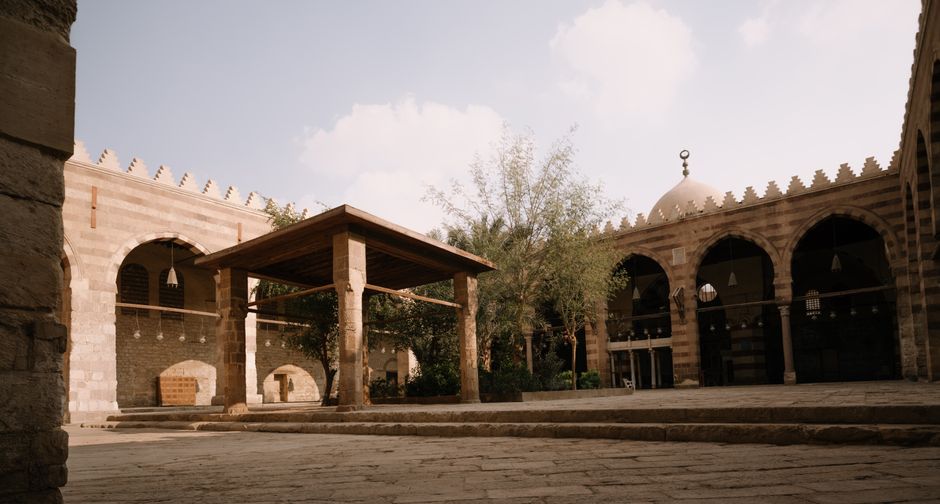
For years, Sheikh Zayed existed in the shadow of New Cairo's gleaming towers and October City's sprawling compounds. But as Egypt's affordable housing programme accelerates, the west bank suburb is emerging as the unlikely star of Cairo's property cycle—offering middle-income families what central neighbourhoods can no longer: genuine value.
The shift is tangible. Average prices in Sheikh Zayed now hover around EGP 45,000–55,000 per square metre, roughly 35 per cent below the city average of EGP 80,000/sqm. Yet the neighbourhood has shed its reputation as a secondary choice. New government-subsidised residential clusters along Sheikh Zayed City Road are attracting first-time buyers and portfolio investors alike, while established pockets near the American University in Cairo's New Cairo campus corridor command premiums for proximity to employment hubs.
The catalyst is policy. The New Urban Communities Authority's expanded social housing mandate has funnelled considerable investment into Sheikh Zayed's infrastructure. The ongoing expansion of the Ring Road, improvements to the Sixth of October Bridge crossing, and the imminent metro extension planning have collectively signalled long-term confidence in the area's viability. Developer activity reflects this: major contractors are now competing for land parcels that would have languished unsold two years ago.
Demographic trends reinforce the momentum. Young professionals priced out of Zamalek's luxury island compounds and Maadi's expat enclaves are settling in Sheikh Zayed's mixed-income developments, particularly around Mivida and Palm Hills extensions. Schools, retail strips, and healthcare facilities have materialised to match supply. The neighbourhood is no longer a dormitory—it's consolidating as a self-contained urban centre.
What distinguishes Sheikh Zayed from speculative booms elsewhere is the underpinning policy architecture. Government guarantees on affordable units reduce buyer risk. Transparent pricing mechanisms, still rare in Cairo's fragmented market, attract institutional investors. And critically, the neighbourhood's positioning as a strategic social housing node means sustained public investment—something that cannot be said for purely private developments.
Not all analysts are convinced. Sceptics point to oversupply risks and the persistent challenge of rental yield in subsidised housing markets. Yet for investors with a five-to-ten-year horizon, Sheikh Zayed offers what the Cairo property cycle has historically rewarded: early entry into an infrastructure-backed neighbourhood before premium pricing solidifies.
The Daily Cairo will monitor this space closely. What happens in Sheikh Zayed over the next eighteen months will likely define Cairo's entire mid-market recovery.
This article was compiled by AI and screened before publishing. See our editorial standards.
How does this story make you feel?
Spread the word
About this article
Published by The Daily Cairo
Daily brief
Free, in your inbox before 7am. Weekdays.
More in Property