Cairo's luxury rental market has entered a phase of uncomfortable recalibration. While the city's average residential property trades at approximately EGP 80,000 per square metre, premium neighbourhoods—particularly Zamalek, Maadi, and New Cairo—are experiencing an unprecedented collision between supply abundance and tenant selectivity that is reshaping how both landlords and renters approach high-end accommodation.
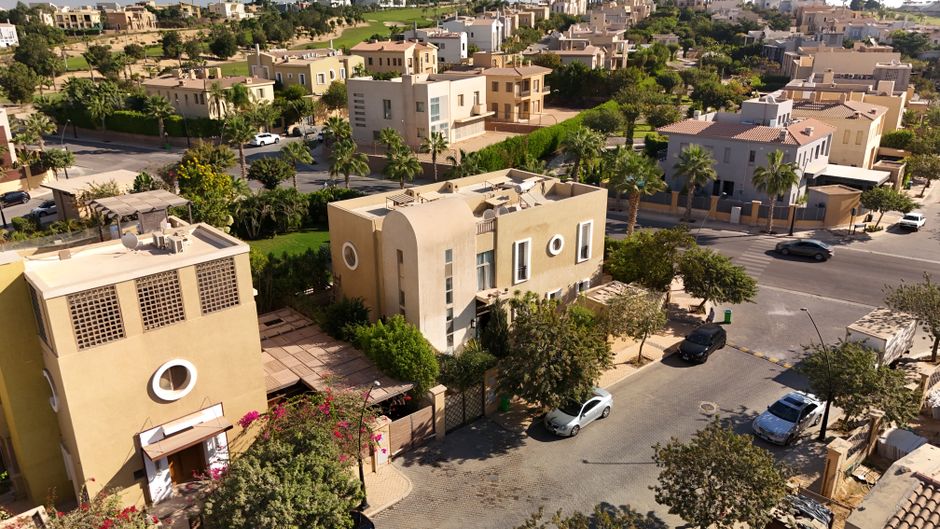
The challenge is stark. Luxury apartments in Zamalek's tree-lined streets, once commanding premium rents with minimal negotiation, now sit vacant for extended periods. Similar patterns emerge along El-Nile Street and around the American University in Cairo district, where furnished three-bedroom units that commanded EGP 15,000-20,000 monthly just two years ago are increasingly offered at discounted rates. Landlords are facing a difficult reality: maintain asking prices and accept prolonged vacancy, or adjust to market conditions and secure reliable tenancy.
For expat communities—the traditional bedrock of Cairo's luxury rental market—circumstances have shifted markedly. Diplomatic postings, corporate secondments, and international school placements remain constant, yet today's tenants demand significantly more. Beyond marble finishes and modern kitchens, they require reliable internet infrastructure, backup power systems, and flexible lease terms. Landlords accustomed to twelve-month minimum agreements now encounter requests for eight-month contracts or furnished short-term arrangements, reflecting broader post-pandemic uncertainty among mobile professionals.
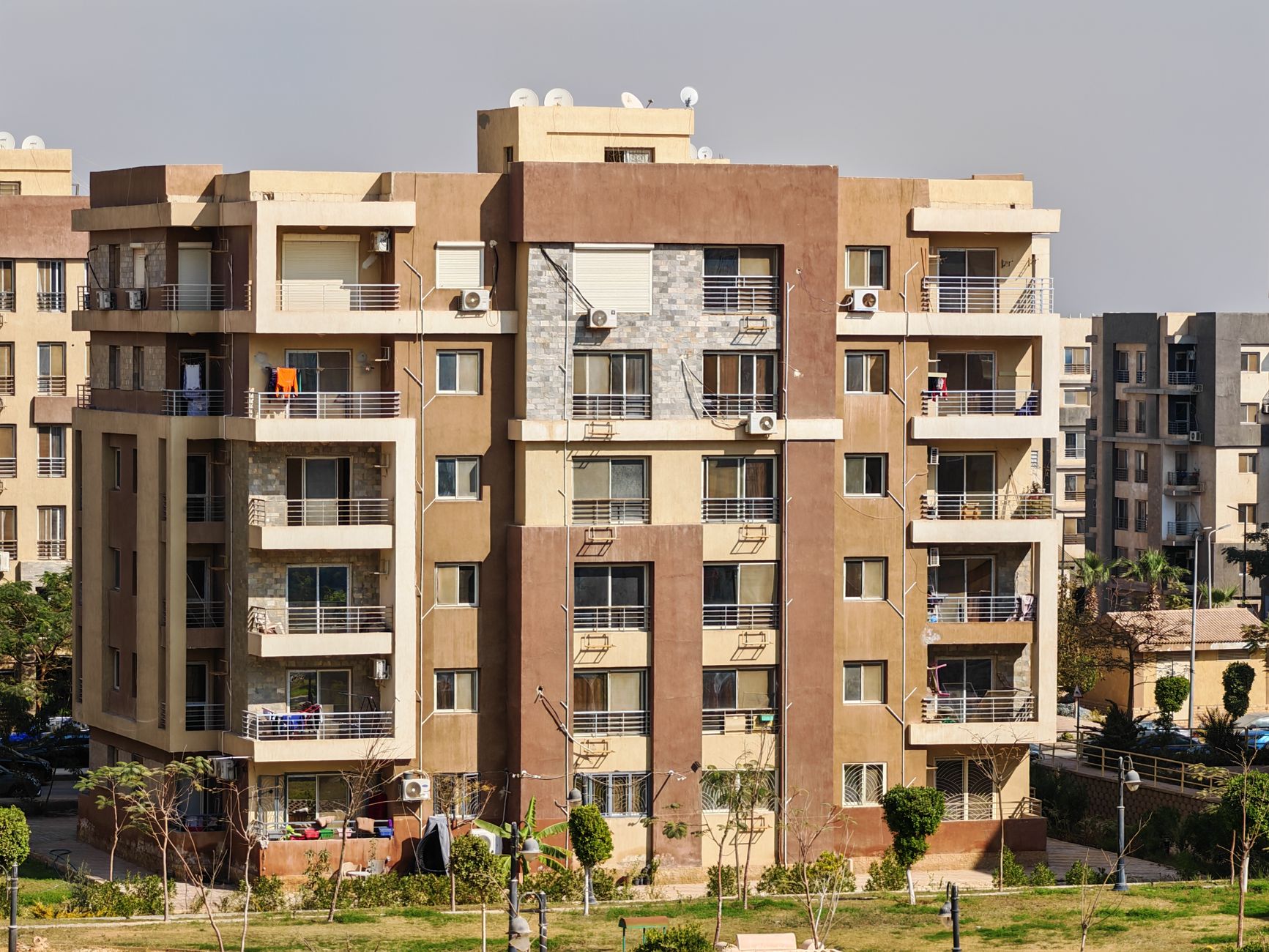
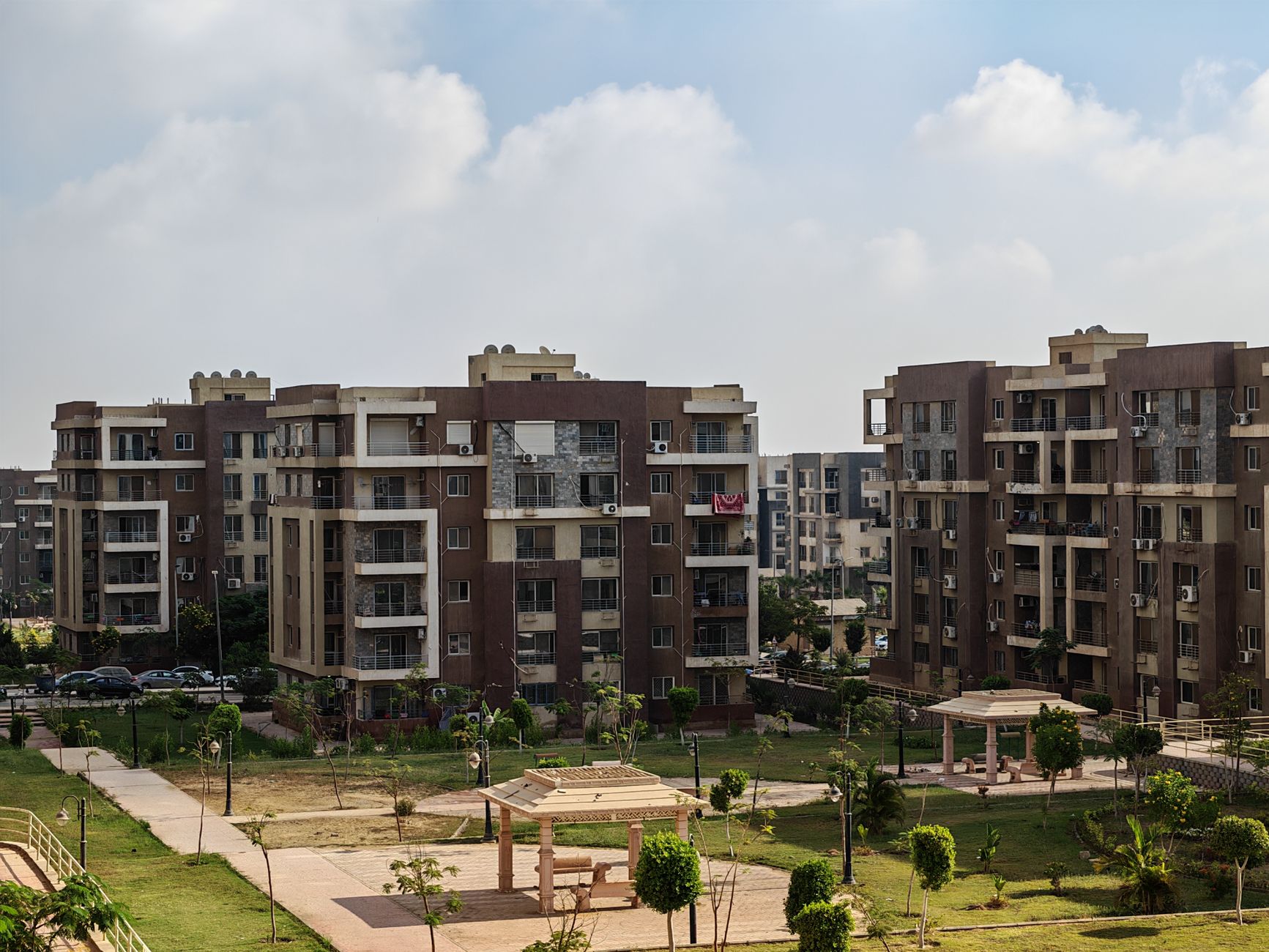
The emergence of the New Administrative Capital has fractured demand in unexpected ways. While October City and New Cairo maintain premium positioning—properties here still command EGP 100,000-120,000 per square metre—some landlords report increased tenant migration toward the new capital, particularly among government employees and corporate workers relocating offices. This redistribution has pressurised traditional luxury enclaves.
Property management organisations serving Maadi and central Zamalek report rental inquiry volumes remain robust, yet conversion rates have declined. Prospective tenants conduct extended comparisons, negotiate more aggressively, and scrutinise lease terms with unprecedented rigour. Landlords who invested in premium finishes anticipate faster return-on-investment cycles but now confront market patience that wasn't required five years ago.
The data tells a nuanced story: Cairo's luxury sector remains fundamentally sound, yet it has matured beyond the supply-constrained market that previously allowed landlords considerable pricing power. Those adapting—offering competitive rates, flexible terms, and responsive property management—continue attracting quality tenants. Those resisting face the accumulating cost of empty units.
For both stakeholders, the lesson is identical: Cairo's luxury rental market rewards flexibility and tenant understanding in ways it previously did not.
This article was compiled by AI and screened before publishing. See our editorial standards.