Construction Boom Creates Rental Standoff: How New ...
As approval pipelines accelerate across New Cairo and October City, landlords face pressure to modernise older stock while tenants grapple with rising costs and shrinking availability.
As approval pipelines accelerate across New Cairo and October City, landlords face pressure to modernise older stock while tenants grapple with rising costs and shrinking availability.
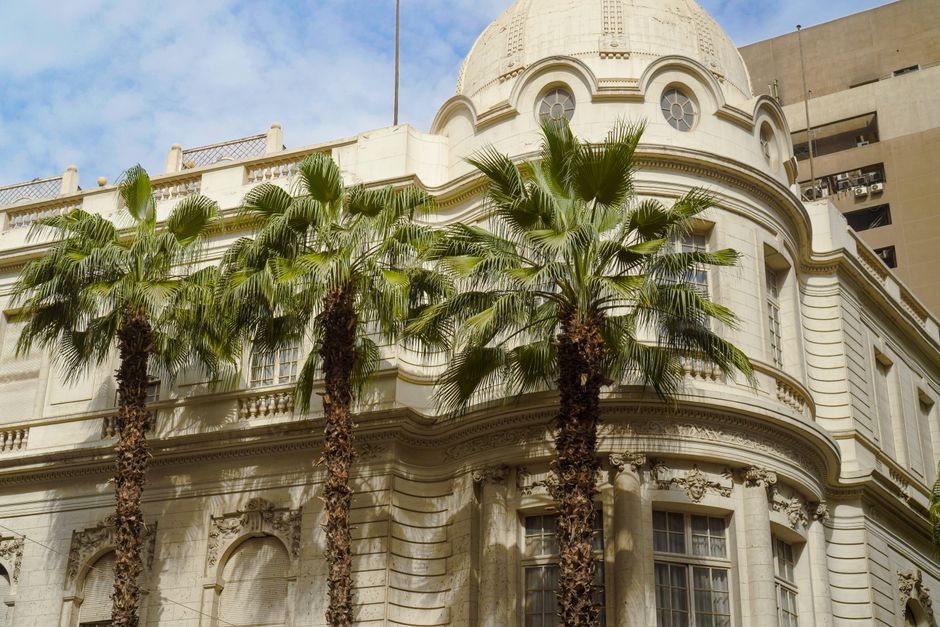
Cairo's rental market is experiencing a peculiar tension. While construction cranes dominate skylines from the New Administrative Capital to October City's eastern expanses, the city's traditional rental stock—concentrated in Zamalek, Maadi, and central Cairo neighbourhoods—faces an existential reckoning. Landlords are caught between capitalising on rising property valuations and maintaining competitive rental yields, while tenants increasingly find themselves priced out of established enclaves.
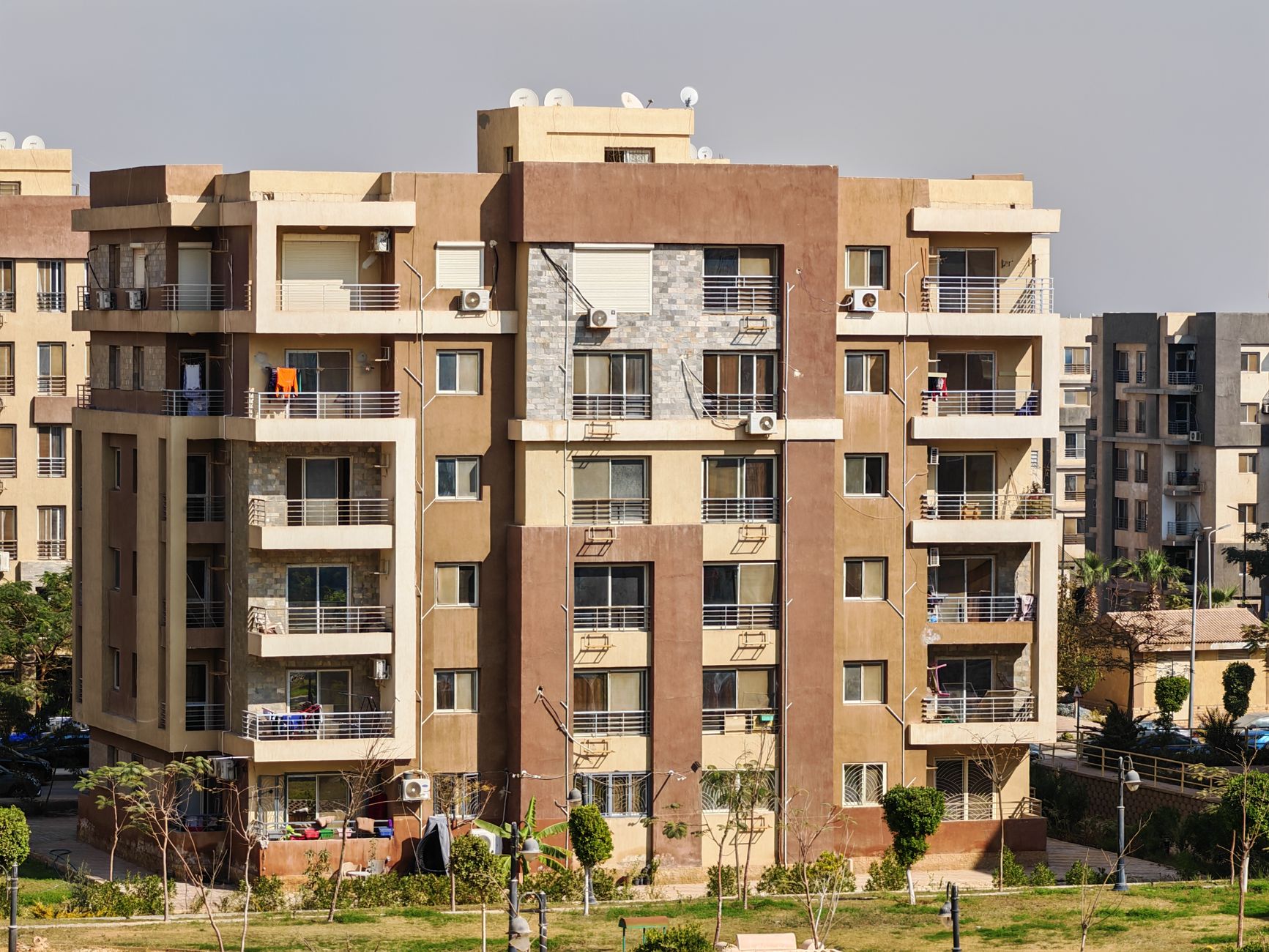
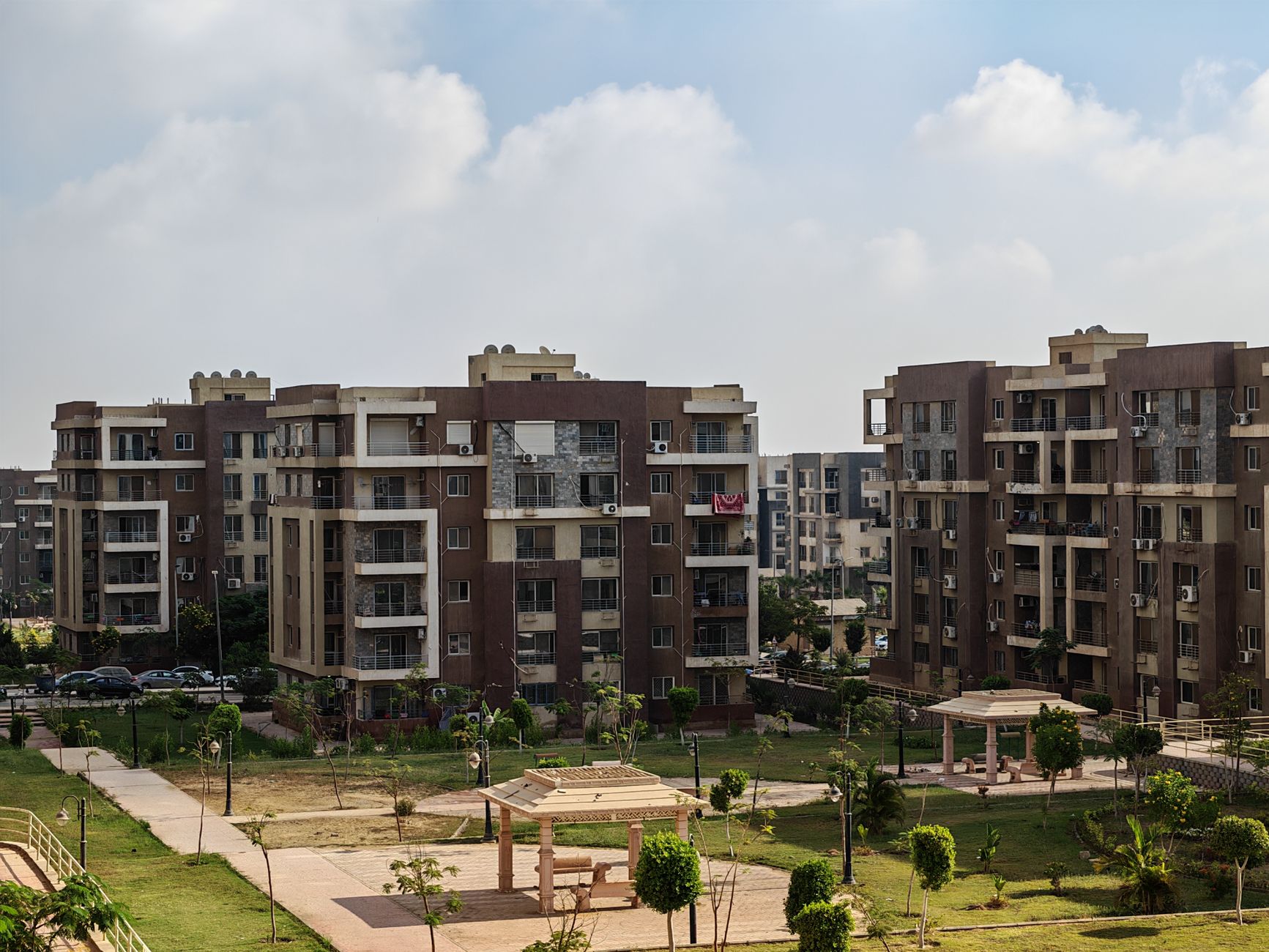
The approval surge is undeniable. Recent municipal records show accelerated building permits across New Cairo's Districts 5 and 6, with projects targeting mixed-use developments and mid-range residential complexes. These new completions—offering modern amenities, security infrastructure, and proximity to employment hubs like the Financial District—have fundamentally altered tenant expectations. Traditional landlords in areas like Garden City and Dokki, many operating decades-old rent agreements, now face tenants willing to relocate for contemporary specifications.
"The market is bifurcating," observes Cairo's real estate sector broadly. Average rental rates in established Maadi villas have climbed toward EGP 15,000–25,000 monthly for comparable space, while new developments in October City command similar figures with modern finishes and integrated services. This convergence has disrupted the traditional pricing hierarchy that once favoured older stock through affordability.
Landlords are responding unevenly. Some property owners in Zamalek and Heliopolis have begun renovation cycles—upgrading electrical systems, adding air conditioning units, refreshing facades—to justify sustained rental rates. Others, particularly those holding multiple properties, face a calculus: invest capital in upgrades or accept higher vacancy periods and negotiate downward with prospective tenants.
The impact on tenant retention is measurable. Lease renewals increasingly feature contested negotiations over incremental rent increases. Young professionals and expatriate families, historically anchored to established neighbourhoods, increasingly view new developments as viable alternatives. This mobility, unprecedented in Cairo's traditionally sticky rental market, has compressed margins for mid-range landlords who lack capital for significant modernisation.
The regulatory environment compounds these pressures. Approval acceleration for new projects has lifted construction timelines while simultaneously highlighting infrastructure gaps in older rental zones. Water pressure inconsistencies in parts of central Cairo, alongside aging electrical installations, create comparative disadvantages against purpose-built developments offering centralised facility management.
As Cairo's rental market transitions toward competitive segmentation, the equilibrium between tenant affordability and landlord yield remains precarious. New construction will likely continue absorbing demand from price-sensitive renters and quality-conscious tenants, reshaping how traditional property holders approach their portfolios over the next 18–24 months.
This article was compiled by AI and screened before publishing. See our editorial standards.
How does this story make you feel?
Spread the word
About this article
Published by The Daily Cairo
Daily brief
Free, in your inbox before 7am. Weekdays.
More in Property