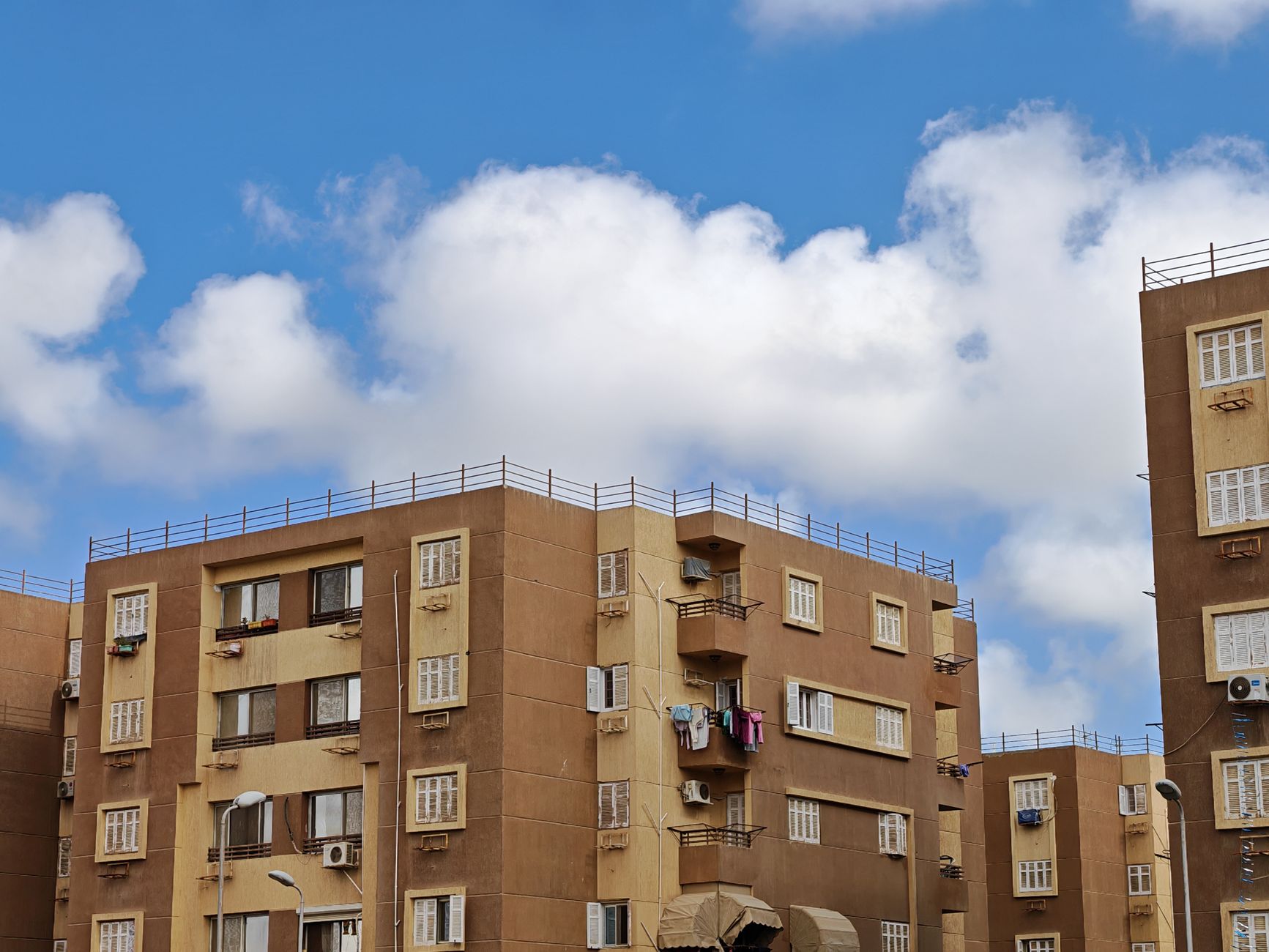
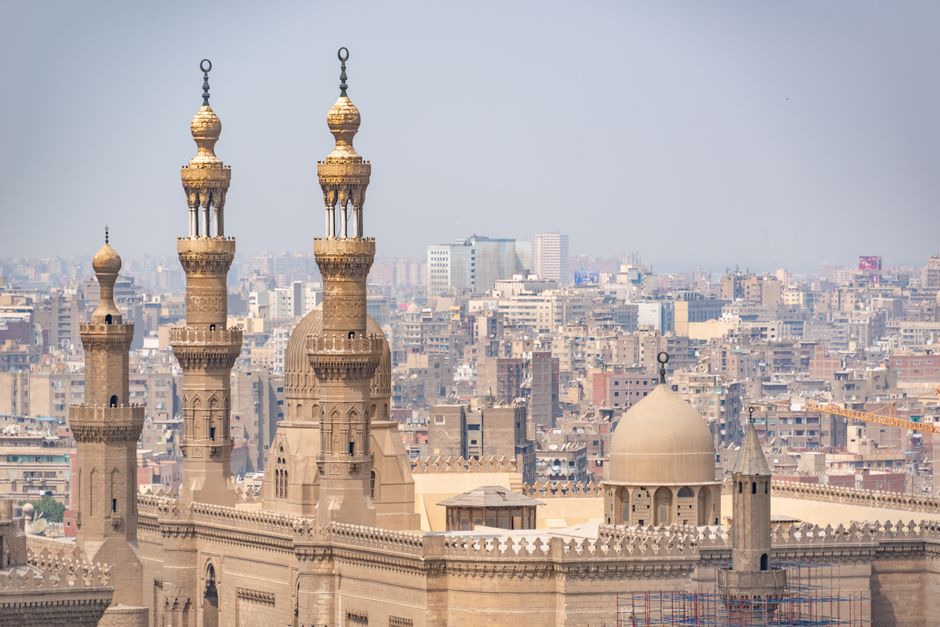
For years, Cairo's property conversation revolved around penthouses in Zamalek and compounds in New Cairo, where per-square-metre rates hover near EGP 80,000 or beyond. But a quiet reshuffling is underway. The government's affordable housing push—particularly through programmes targeting units priced between EGP 400,000 and EGP 1.5 million—is attracting a new class of investor, one armed with spreadsheets rather than luxury aspirations.
The numbers tell a compelling story. Unlike premium Maadi apartments or New Administrative Capital villas, which depend heavily on end-user demand and foreign capital, affordable units in sprawling developments like those in October City's extended zones are generating rental yields of 5–7 per cent annually. Compare that to luxury properties in Zamalek, where yields typically hover at 3–4 per cent, and the gap widens considerably. A one-bedroom unit in certified social housing developments can rent for EGP 3,000–4,500 monthly, while mortgage affordability means occupancy rates remain robust even during market softness.
The Egyptian government's partnership with private developers has created a novel dynamic. Mortgage-backed schemes through institutions like the New Urban Communities Authority have reduced investor risk. Properties in developments like those along the Ring Road corridor or in satellite cities attract first-time buyers who stabilise demand. This differs sharply from speculative investment in premium neighbourhoods, where holding costs mount while waiting for appreciation.
What's driving institutional interest? Scale. A developer launching 2,000 affordable units generates reliable transaction volume. Marketing costs per unit decline. Secondary market activity—rentals, resales—creates ecosystem depth that luxury segments lack. One Cairo-based property analyst notes that while a Zamalek penthouse sale might occur once yearly, affordable units in October City turnover every three to four years, generating steady commission streams and data for forecasters.
The downside remains visible. Affordability schemes often sit on city peripheries—acceptable for first-time buyers with long commutes, less so for yield-focused investors accustomed to central locations. Regulatory frameworks governing rental restrictions on government-backed units can cap upside. And Cairo's broader infrastructure challenges—water pressure in outer rings, traffic patterns—dampen premium positioning.
Yet the tide is shifting. Institutional capital, previously indifferent to sub-EGP 2 million properties, is re-evaluating. When consistent 6 per cent yields beat volatile luxury markets returning 2–3 per cent, algebra beats aesthetics. Cairo's property conversation, long dominated by Nile-view postcards and marble lobbies, is finally embracing mathematics. What emerges is neither glamorous nor headlines-friendly—but it is fundamentally reshaping who invests in Egypt's capital.
This article was compiled by AI and screened before publishing. See our editorial standards.