Cairo's property landscape is fracturing. While established enclaves like Zamalek and Maadi command prices north of EGP 150,000 per square metre, and the New Administrative Capital attracts white-collar migrants at premium rates, a wave of mega-developments is reshaping the city's eastern and southern fringes—with mixed signals for affordability.
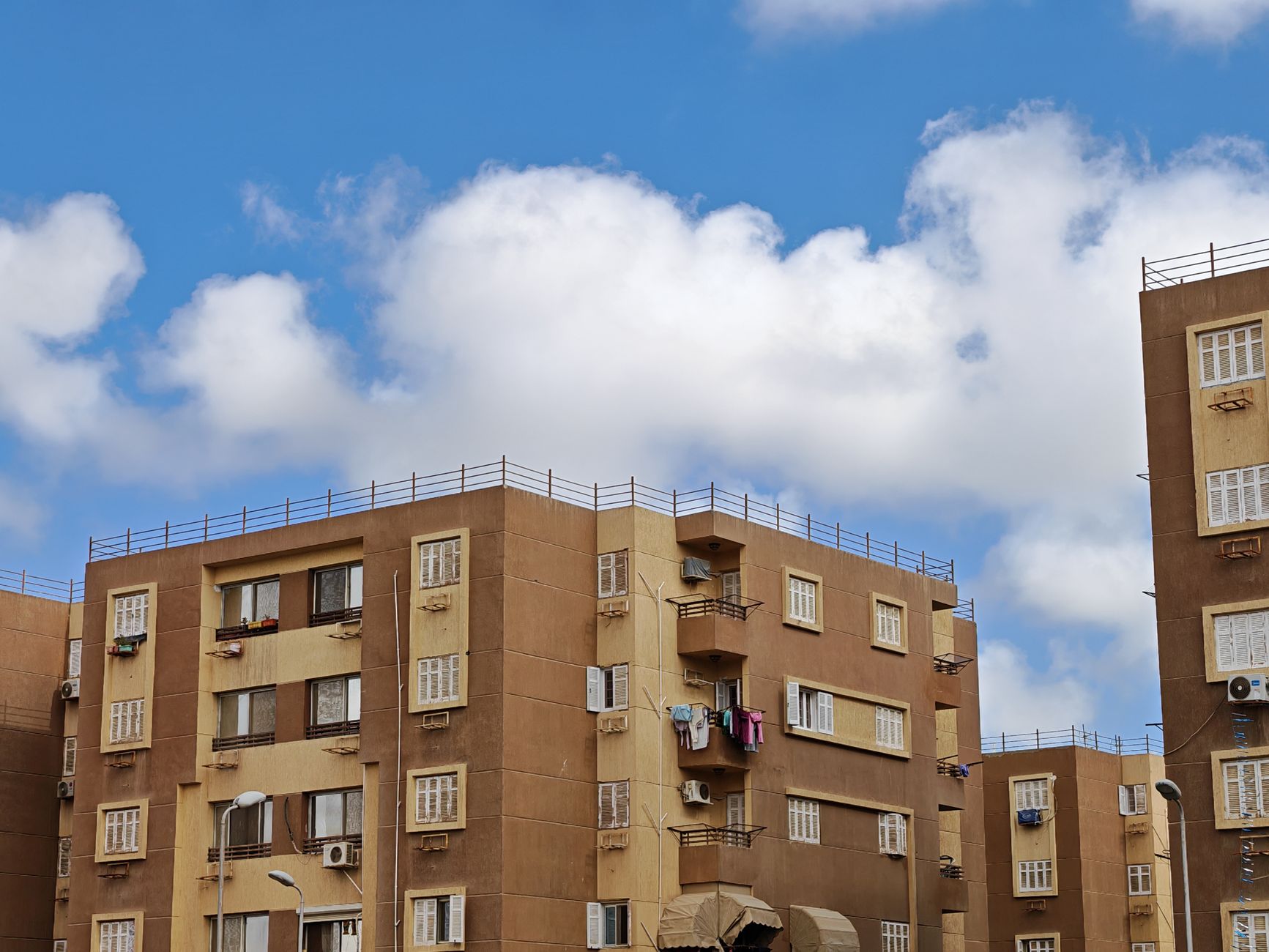
The most visible shift centres on New Cairo and October City, where developers are stacking residential towers alongside retail plazas and office parks. These projects—marketed aggressively to young professionals and expatriates—typically trade units starting at EGP 1.5–3 million for modest two-bedroom apartments. For context, that's roughly 19–38 times the average Egyptian household's annual income, a ratio that puts homeownership out of reach for most wage-earners.
Yet the projects themselves are reshaping local infrastructure and property values. The clustering of new developments around the Ring Road corridor—particularly near the Sheikh Zayed and Heliopolis zones—has attracted commercial tenants, schools, and retail anchors that were previously absent. This tends to elevate surrounding property values and rental demand, even as it crowds out older, affordable housing stock.
The New Administrative Capital, meanwhile, remains an outlier. Marketed as Egypt's tech and governance hub, it's drawing capital from both domestic and Gulf investors who view it as a long-term play. But its distance from Cairo's job centres means most workers still live in traditional neighbourhoods, commuting 45–90 minutes daily. This dynamic is keeping demand—and prices—elevated in Nasr City and New Cairo, even as supply theoretically increases.
What's striking is the absence of mid-market projects. Developers face a paradox: build premium units that sell to investors and expatriates, or build budget housing in remote areas with limited amenities and infrastructure. The sweet spot—affordable units near transport, employment, and schools—remains largely unbuilt.
Rents tell a parallel story. A studio in New Cairo runs EGP 3,000–5,000 monthly; in Zamalek, double that. But in less-fashionable Dokki or Agouza, you'll find EGP 2,000–3,500—a significant savings for price-sensitive renters who can tolerate older, smaller units.
The critical question facing Cairo's housing policy-makers: do these megaprojects genuinely expand the city's capacity, or do they simply repackage scarce land for premium buyers while pricing out the professionals and young families the city needs to retain? So far, the evidence suggests the latter trend is winning.
This article was compiled by AI and screened before publishing. See our editorial standards.