Cairo's Rental Squeeze: What's Really Driving Vacancy Rates and What Buyers Must Know Now
As Cairo's rental market tightens, investors face a critical choice between capital appreciation and yield—here's how to navigate the shift.
As Cairo's rental market tightens, investors face a critical choice between capital appreciation and yield—here's how to navigate the shift.
Cairo's rental market is sending conflicting signals. While vacancy rates in premium neighbourhoods like Zamalek and New Cairo hover between 8-12%, prices across the city continue climbing at an average of EGP 80,000 per square metre—and rising sharply in October City and the New Administrative Capital satellite zones. For property investors and first-time buyers, understanding this paradox is essential.
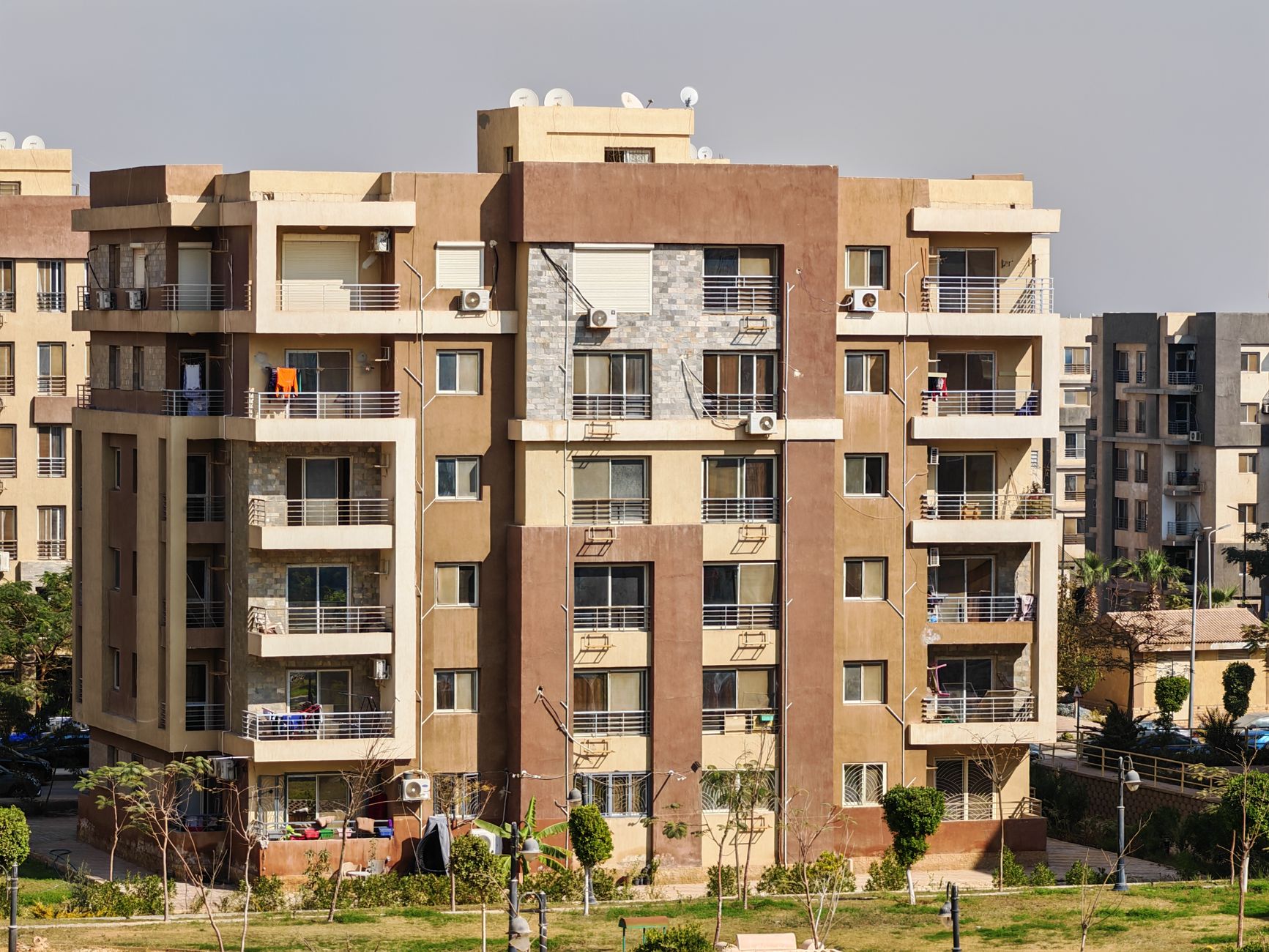
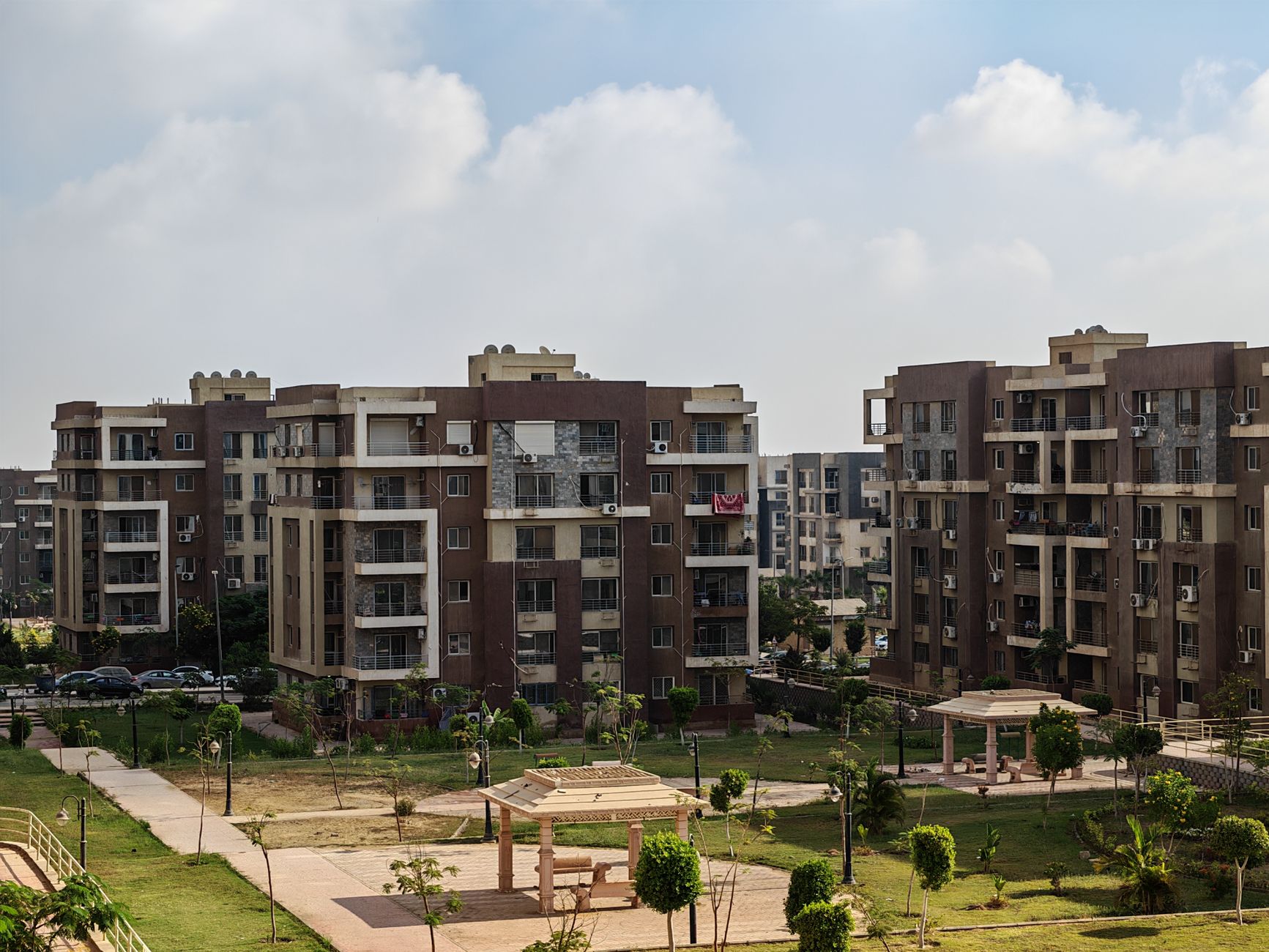
The core issue is structural mismatch. Developers have flooded mid-to-premium segments with new supply—particularly in New Cairo's Palm Hills and Mountain View districts, and along the Ring Road towards October City—chasing capital gains rather than rental yields. This has created pockets of oversupply even as demand from Cairo's expanding expatriate community and remote workers pushes prices upward. Maadi remains the enclave of choice for diplomatic and international families, keeping rents stable at 15-18% annual yield, but newer compounds elsewhere struggle to fill units.
What's driving this divergence? Three factors. First, inflation and currency pressures have made Egyptian mortgages expensive, pushing end-users toward renting longer while accumulating capital. Second, the New Administrative Capital's emergence has fractured investor confidence—money is splitting between Cairo's established prestige locations and speculative plays 45 kilometres east. Third, short-term furnished rental platforms like Airbnb and local competitors have fragmented the long-term tenant pool, particularly around Downtown and Garden City, where boutique hotels and serviced apartments now compete directly with traditional landlords.
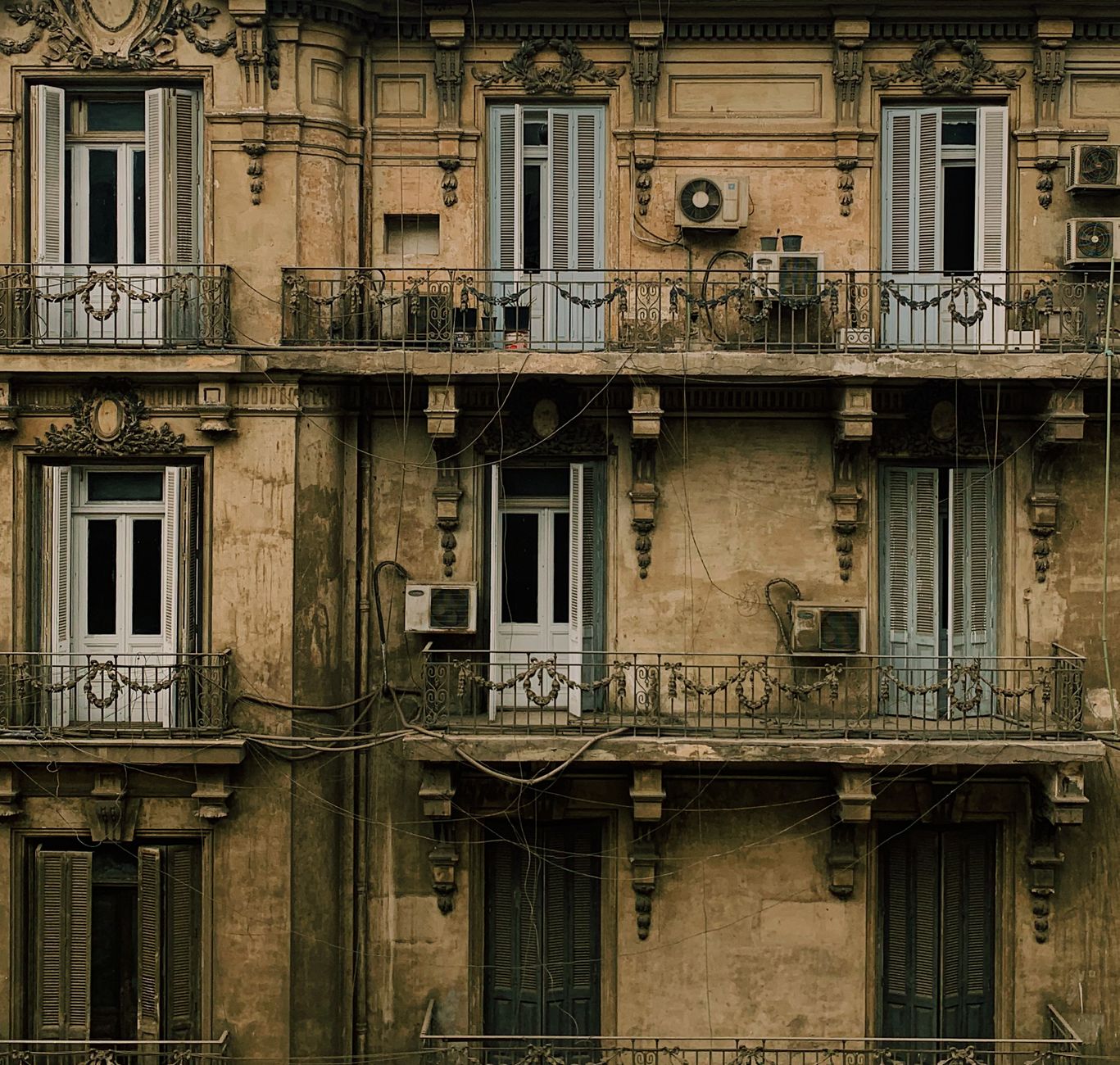
For buyers entering now, the guidance is clear: location determines your strategy. In Zamalek and central Maadi, you're buying for capital appreciation and modest rental income (8-10% yield). Don't expect quick turnaround—these are 5-10 year holds. In October City and New Cairo's newer phases, yields are currently 12-15%, but vacancy risk is real; inspect comparable occupancy rates in your compound before committing. Along the Nile Corniche and in Heliopolis, heritage appeal attracts steady expat tenants, but maintenance costs are high.
The emerging wildcard is the New Administrative Capital's Iconic Tower and adjacent residential zones. Some analysts predict migration of international tenants seeking modern infrastructure; others warn of oversupply. Treat these as long-term diversification only.
For owner-occupiers, the message is simpler: prices have moved. Budget constraints should steer you toward emerging micromarkets—Nasr City's revitalised districts or Obour City—rather than overpaying for Zamalek's prestige. Rental yields matter less if you're staying put, but entry price does.
Cairo's property market isn't broken—it's fragmenting. Know which segment you're entering, verify local occupancy data with property managers, and resist FOMO on the New Capital. The winners will be informed buyers, not speculators.
This article was compiled by AI and screened before publishing. See our editorial standards.
How does this story make you feel?
Spread the word
About this article
Published by The Daily Cairo
Daily brief
Free, in your inbox before 7am. Weekdays.
More in Property