Cairo's property market has entered a new phase. The average price of EGP 80,000 per square metre masks a deeper story: new large-scale residential and mixed-use developments are fundamentally rewriting neighbourhood affordability, with ripple effects extending far beyond their boundaries.
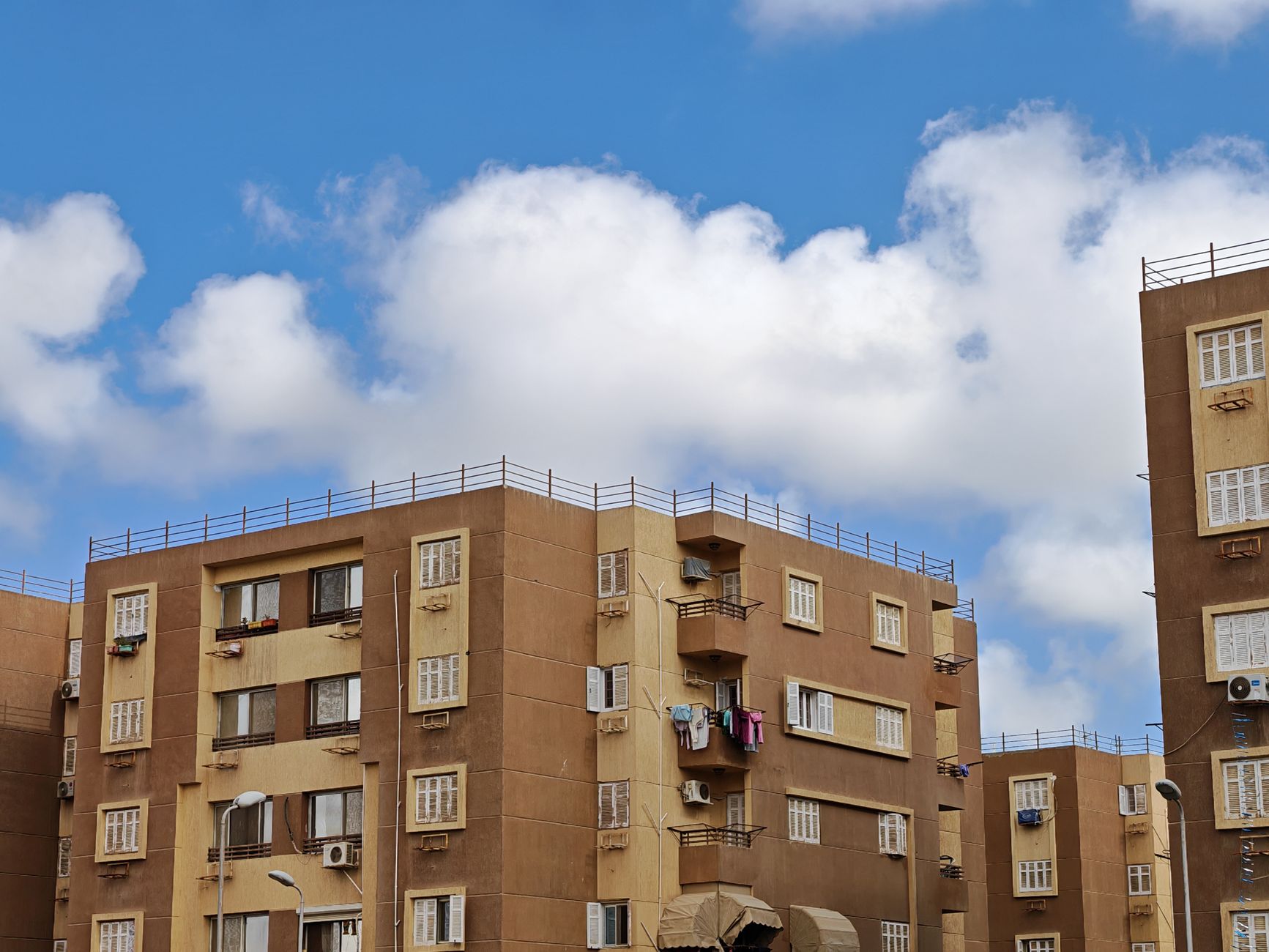
The most visible catalyst is the eastward expansion toward the New Administrative Capital corridor. October City, already a premium satellite hub, is experiencing renewed appetite as developers break ground on mid-range family projects designed to absorb overflow from Heliopolis and Nasr City. Early pricing in these newer clusters sits around EGP 65,000–75,000 per sqm—below central averages, yet still beyond reach for median Egyptian earners. The psychological shift matters: the perception of "affordable" in October City is pulling buyer interest away from established neighbourhoods like Dokki and Agouza, where older stock cannot command premium pricing despite location parity.
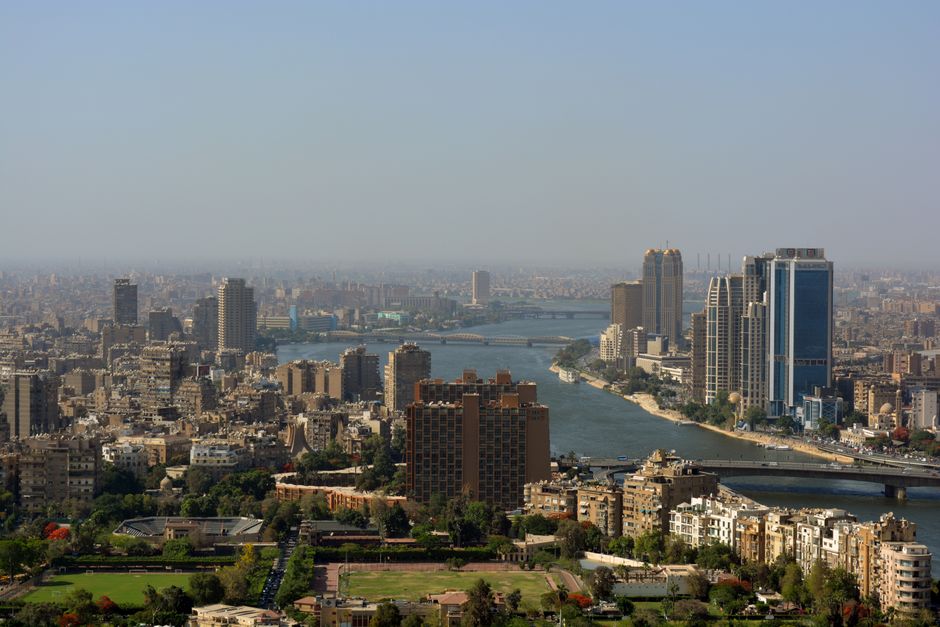
Zamalek and Maadi remain insulated as ultra-prime zones, where waterfront and expatriate-anchored demand sustains prices 40–50 percent above citywide averages. But the secondary effects are pronounced. As new supply absorbs upwardly mobile families in October City and New Cairo districts, inner-ring neighbourhoods face a genuine affordability squeeze: owners hold asking prices, but transaction velocity slows. Agents report extended marketing windows in areas like Garden City and Giza's Mohandessin, where lack of new inventory competes against unchanged pricing structures.
The New Administrative Capital itself remains a distinct market—EGP 100,000+ per sqm in premium residential towers—but its completion timeline keeps it a speculative play rather than a primary residence destination. What matters now is the intermediate zone: projects along the Ain Shams Road corridor and east of the Ring Road are delivering genuinely new housing at scale. These projects come with modern amenities, phased payment plans, and 10–15 year mortgages that marketing departments aggressively promote. They are changing buyer behaviour.
Paradoxically, affordability has worsened for non-buyers. Rental yields have compressed as supply diversifies, and landlords in established areas are caught between desire to raise rents and fear of tenant exodus toward new developments offering furnished move-in-ready units. The Central Bank's mortgage initiatives have widened access for upper-middle-class borrowers, but credit conditions exclude the majority of working Egyptians entirely.
For the property journalist watching Cairo, the story is no longer simply about rising prices. It is about fragmentation: new projects are creating distinct submarkets with divergent affordability profiles, and the city is sorting itself accordingly.
This article was compiled by AI and screened before publishing. See our editorial standards.