Maadi's rental squeeze: how Cairo's expat haven is reshaping landlord-tenant dynamics
Rising maintenance costs and shifting tenant demands are forcing property owners in Cairo's premium neighbourhoods to rethink their investment strategy.
Rising maintenance costs and shifting tenant demands are forcing property owners in Cairo's premium neighbourhoods to rethink their investment strategy.
Maadi, long Cairo's most coveted expat enclave, is experiencing a fundamental shift in its rental market. Property owners who once enjoyed steady, hassle-free lettings are now confronting a tighter balancing act: tenants demanding modern amenities and flexible terms, while landlords face mounting operational costs that squeeze margins.
The numbers tell the story. Average rental yields in Maadi have compressed from 4.5% to 3.2% over the past 18 months, according to local property consultants tracking the market along Road 9 and surrounding districts. A three-bedroom villa near Wadi Degla Club that once commanded EGP 45,000 monthly now sits vacant for weeks longer, with landlords forced to negotiate furnished options or reduce asking prices by 8-12%.
This pressure point has widened the gap between established neighbourhoods and emerging alternatives. New Cairo and October City—where average asking rents sit 15-20% lower than Maadi—have begun absorbing middle-income expat families and young professionals priced out of traditional havens. Meanwhile, landlords in Maadi are discovering that maintaining properties to international standards no longer remains optional; it's become survival.
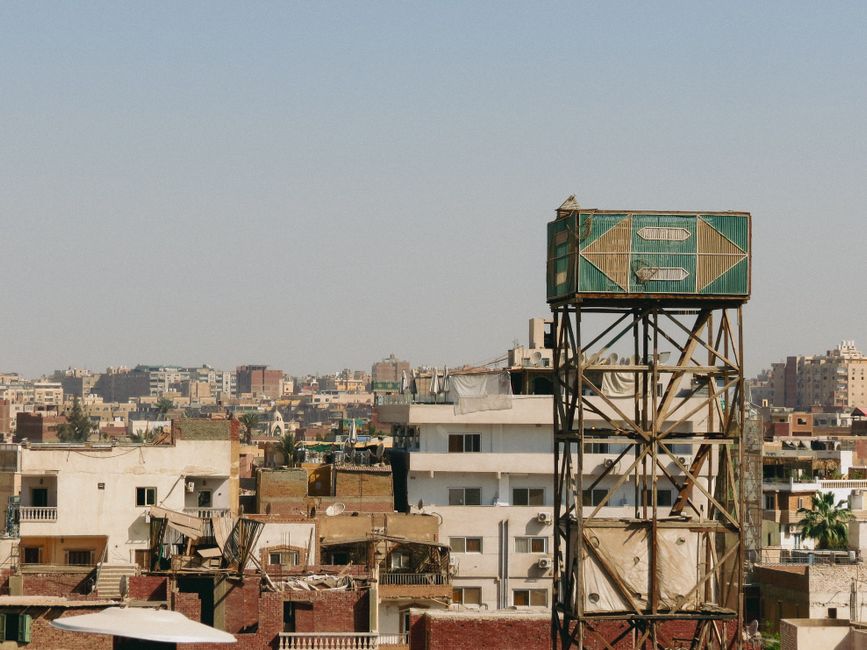
"Tenants are more informed," explains the rental dynamics reshaping both supply and demand. Properties without updated kitchens, reliable hot water systems, or backup power solutions face extended vacancy periods. Landlords now budget for regular maintenance at levels previously considered luxuries: water tank servicing, generator upkeep, and pest control contracts have become standard expenses.
The situation differs markedly in Zamalek, Cairo's ultra-premium island district, where luxury apartments remain insulated from broader market pressures. Penthouses overlooking the Nile continue attracting high-net-worth renters unbothered by price fluctuations. Yet even here, turnover has quickened slightly, with tenants rotating more frequently as visa compliance and corporate relocation cycles accelerate post-pandemic.
For new investors considering entry into Cairo's rental market, the landscape demands clarity. Properties averaging EGP 80,000 per square metre citywide now require realistic yield expectations. Zamalek and Maadi command premium prices, but rental returns demand either high-quality, regularly updated units or acceptance of lower percentage yields offset by capital appreciation.
The emerging Administrative Capital introduces another variable. As government departments and multinational firms establish satellite offices there, some expatriate tenants are reassessing commute trade-offs, further dispersing rental demand across Greater Cairo. For landlords accustomed to passive income streams, adaptation is no longer optional—it's the new market reality.
This article was compiled by AI and screened before publishing. See our editorial standards.
How does this story make you feel?
Spread the word
About this article
Published by The Daily Cairo
Daily brief
Free, in your inbox before 7am. Weekdays.
More in Property