Cairo's property market is experiencing a bifurcated reality. While the city's average land value hovers around EGP 80,000 per square metre, the proliferation of large-scale residential projects is creating two distinct pricing tiers—one for established neighbourhoods, another for newly developed zones on the periphery.
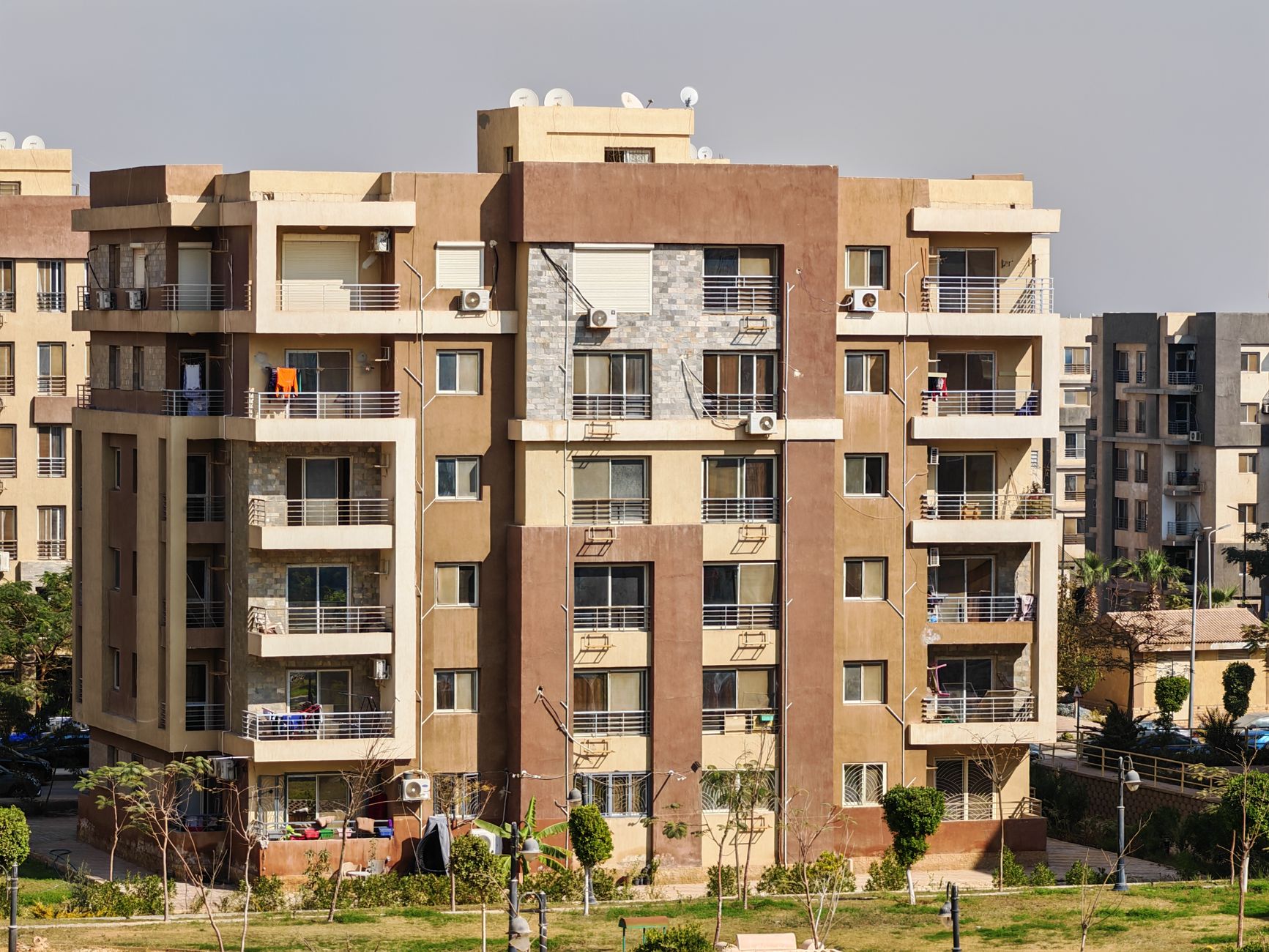
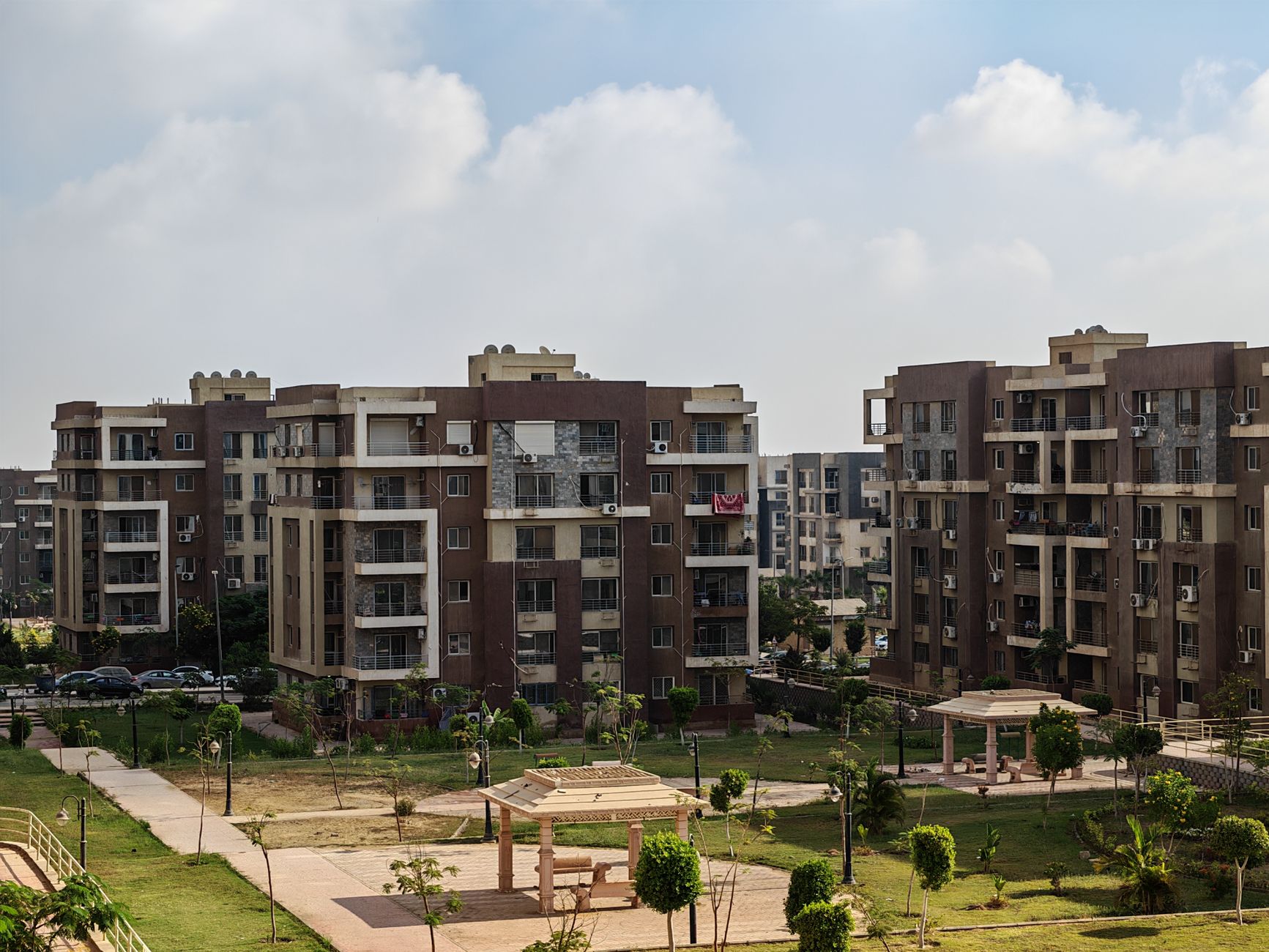
The most visible transformation is occurring along the Cairo-Suez Desert Road, where sprawling compounds promise gated communities with amenities rivalling international standards. These developments have shifted demand eastward, drawing young families and investors away from traditional areas like Zamalek and Maadi, where a single apartment now commands premiums of EGP 150,000-200,000 per square metre. Conversely, newly launched projects in locations like New Cairo's Fifth Settlement and Sheikh Zayed offer entry points at EGP 90,000-120,000 per square metre—a buffer that vanishes quickly once infrastructure improves.
The emergence of the New Administrative Capital as a secondary hub has accelerated this dynamic. Hundreds of thousands of properties under construction there have fundamentally altered buyer expectations. Middle-income households that once targeted Garden City or Dokki now consider the Capital's more affordable offerings, understanding that the hour-long commute today will shrink once metro extensions materialise. This speculative appetite has inflated prices in transitional zones like New Cairo's October City developments and areas near Nasr City.
Infrastructure investment amplifies these effects. The expansion of the Ring Road and proposed metro extensions have triggered pre-emptive buying in previously overlooked neighbourhoods. Developers have responded by clustering projects around anticipated transport corridors—a strategy that works until it doesn't. Early buyers in these zones bank on appreciation; latecomers risk overpaying for locations that fail to deliver promised connectivity.
For the average Cairo household earning between EGP 500,000 and EGP 1.5 million annually, the mathematics have become unforgiving. A modest two-bedroom apartment in established expat enclaves like Maadi requires savings equivalent to eight to twelve years' gross income. New developments offer relative relief—sometimes reducing that ratio to five to eight years—but only if you're willing to accept longer commutes and construction-phase uncertainty.
The real question isn't whether new projects will absorb demand; it's whether supply-side competition will ever stabilise prices. Current trajectory suggests otherwise. Each completed megaproject legitimises the next one, entrenching expectations of continued appreciation. For those sitting on the sidelines, waiting for an affordability correction, the data offers little comfort.
This article was compiled by AI and screened before publishing. See our editorial standards.