Affordable Housing Cairo: Investment Yields 4-6%
Government social housing in Cairo delivers 4.2–5.8% annual yields. Investors discover competitive returns in New Administrative Capital and satellite developments.
Government social housing in Cairo delivers 4.2–5.8% annual yields. Investors discover competitive returns in New Administrative Capital and satellite developments.
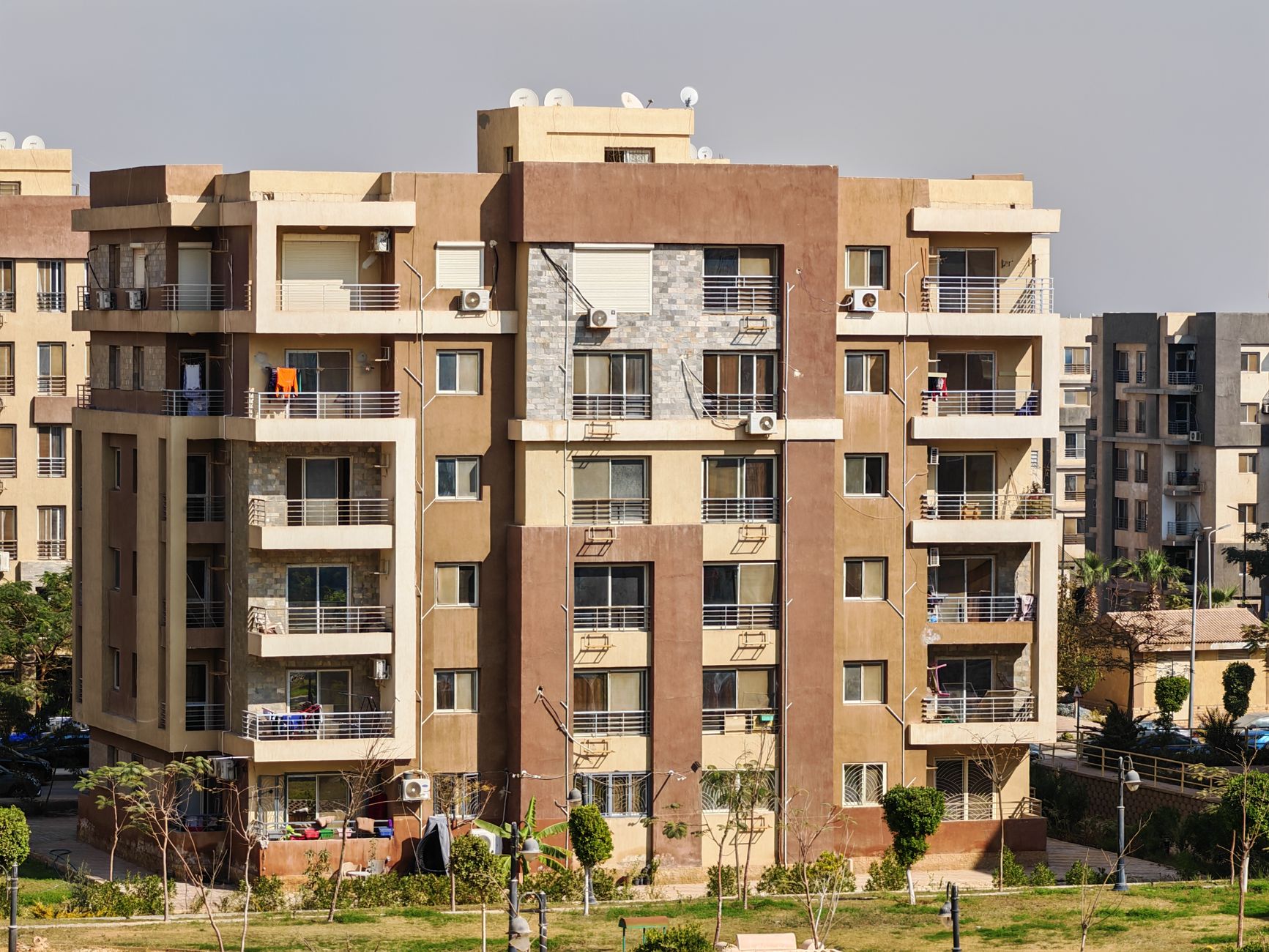
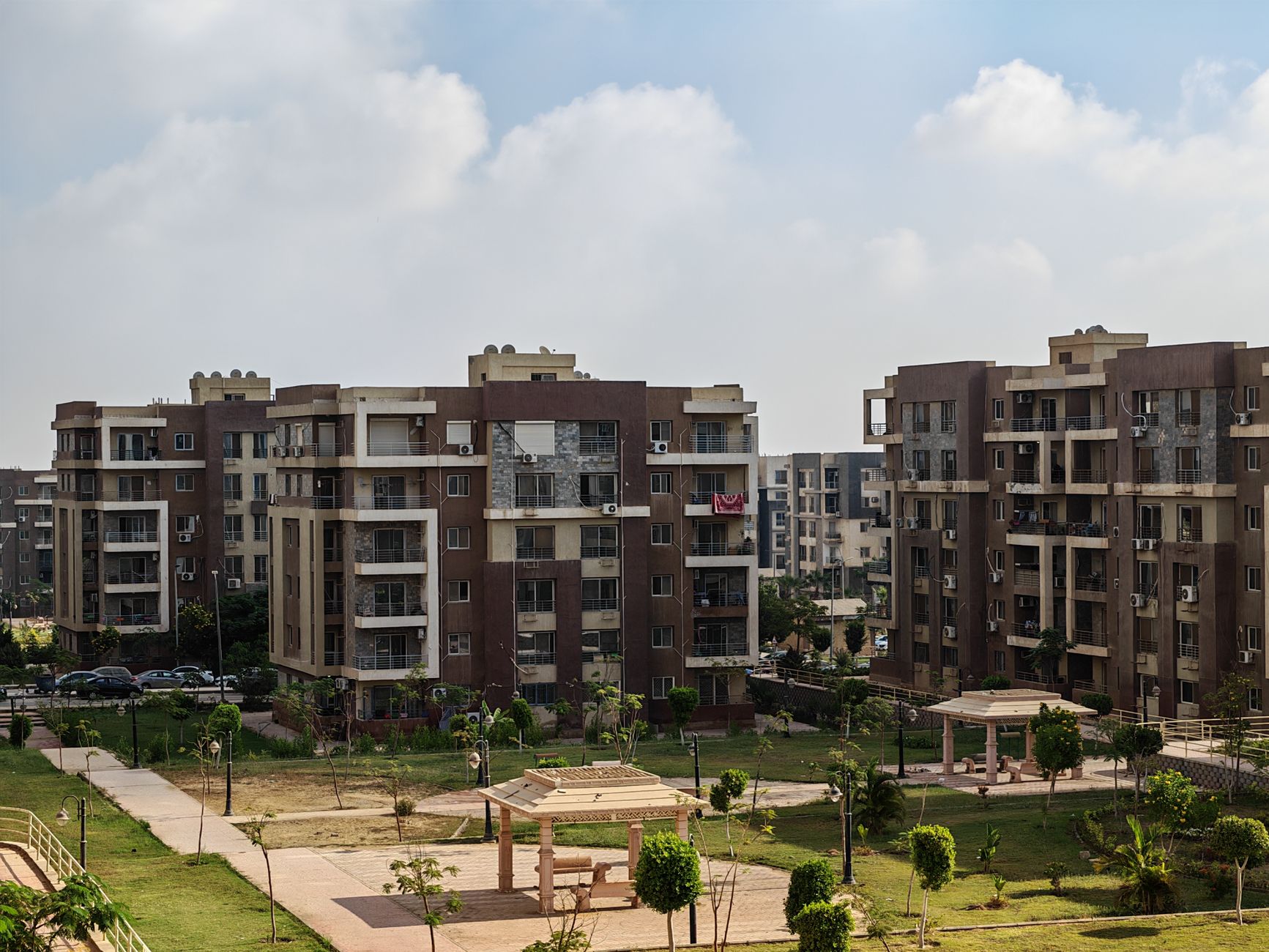
Cairo's affordable housing sector, long dismissed as a subsidy-dependent dead zone, is producing measurable financial returns that are catching the attention of institutional and private investors alike. Fresh data from completed phases of the government's social housing initiative reveals rental yields between 4.2 and 5.8 percent annually—figures that challenge conventional wisdom about low-income residential markets in the capital.
The trend is particularly visible in satellite developments. New Administrative Capital units, marketed at entry-level prices around EGP 1.2 million for two-bedroom apartments, have generated tenant demand strong enough to support monthly rents of EGP 4,500–5,200. That translates to gross yields approaching 5 percent before maintenance, a competitive figure when benchmarked against traditional Cairo retail or office space averaging 3–4 percent returns.
Similarly, phases completed in Sheikh Zayed and 6th of October City—traditionally premium zones where sq-meter rates hover above EGP 120,000—show that segregated social housing pockets yield 4.5–5.2 percent when financed through Egypt's Real Estate Development Fund (REDF). These zones benefit from proximity to commercial clusters around Giza Square and Citystars Sheraton, driving tenant retention rates above 92 percent over three-year periods.
The mechanics favour patient capital. Units priced between EGP 800,000 and EGP 1.8 million, financed over 25-year mortgages at subsidised rates (currently 3–4 percent), allow middle-income tenants—teachers, nurses, mid-level civil servants—to convert into long-term owner-occupiers. Investor exits typically occur in years 5–8, coinciding with tenant mortgage maturation, and secondary market resales have climbed 8–12 percent annually in high-demand zones.
The New Administrative Capital's Phase Three release, announced last quarter, offered 15,000 units at fixed EGP 1.3 million pricing. Secondary market data from Phase One residents shows 67 percent have refinanced or sold, with exit multiples of 1.15–1.28x within five years—modest but reliable, particularly when accounting for zero-vacancy hold periods.
Sceptics point to policy volatility. Interest-rate hikes in 2024–2025 temporarily dampened tenant creditworthiness, and regulatory changes to REDF terms created short-term liquidity concerns. Yet occupancy rates across completed social housing complexes in Helwan and New Cairo remain above 85 percent, suggesting demand resilience.
For investors calibrating Cairo's real estate landscape—where Zamalek waterfront penthouses command EGP 500,000+ per sq-meter and Maadi villas appeal primarily to dollar-based expats—social housing now occupies a distinct niche: lower volatility, modest but measurable returns, and demographic tailwinds from Egypt's growing middle class. The numbers, at last, are speaking.
This article was compiled by AI and screened before publishing. See our editorial standards.
How does this story make you feel?
Spread the word
About this article
Published by The Daily Cairo
Daily brief
Free, in your inbox before 7am. Weekdays.
More in Property