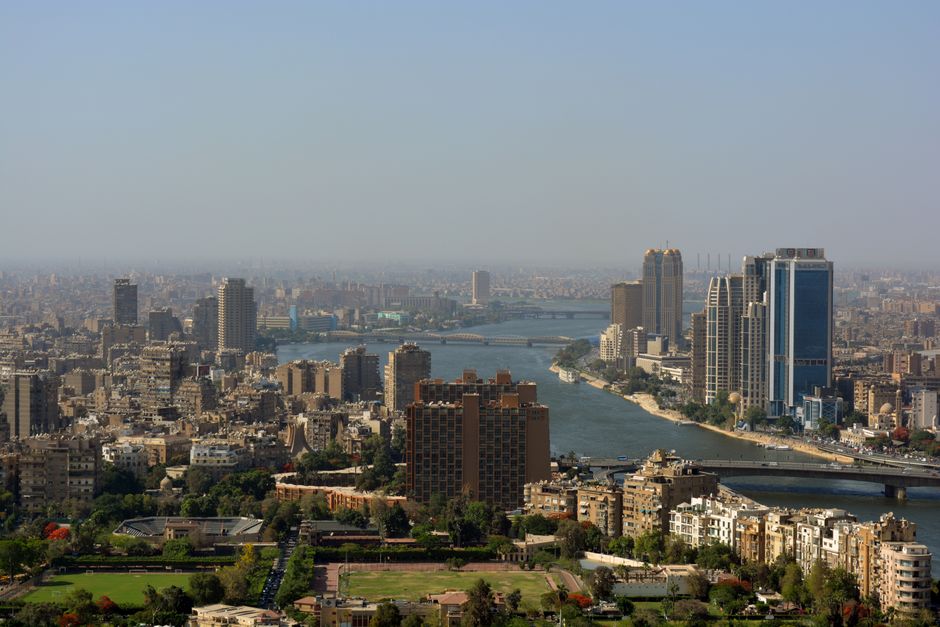
Cairo's property market is at a crossroads. While the citywide average hovers around EGP 80,000 per square metre, the forces reshaping where ordinary Egyptians can afford to live are shifting faster than the Nile currents themselves.
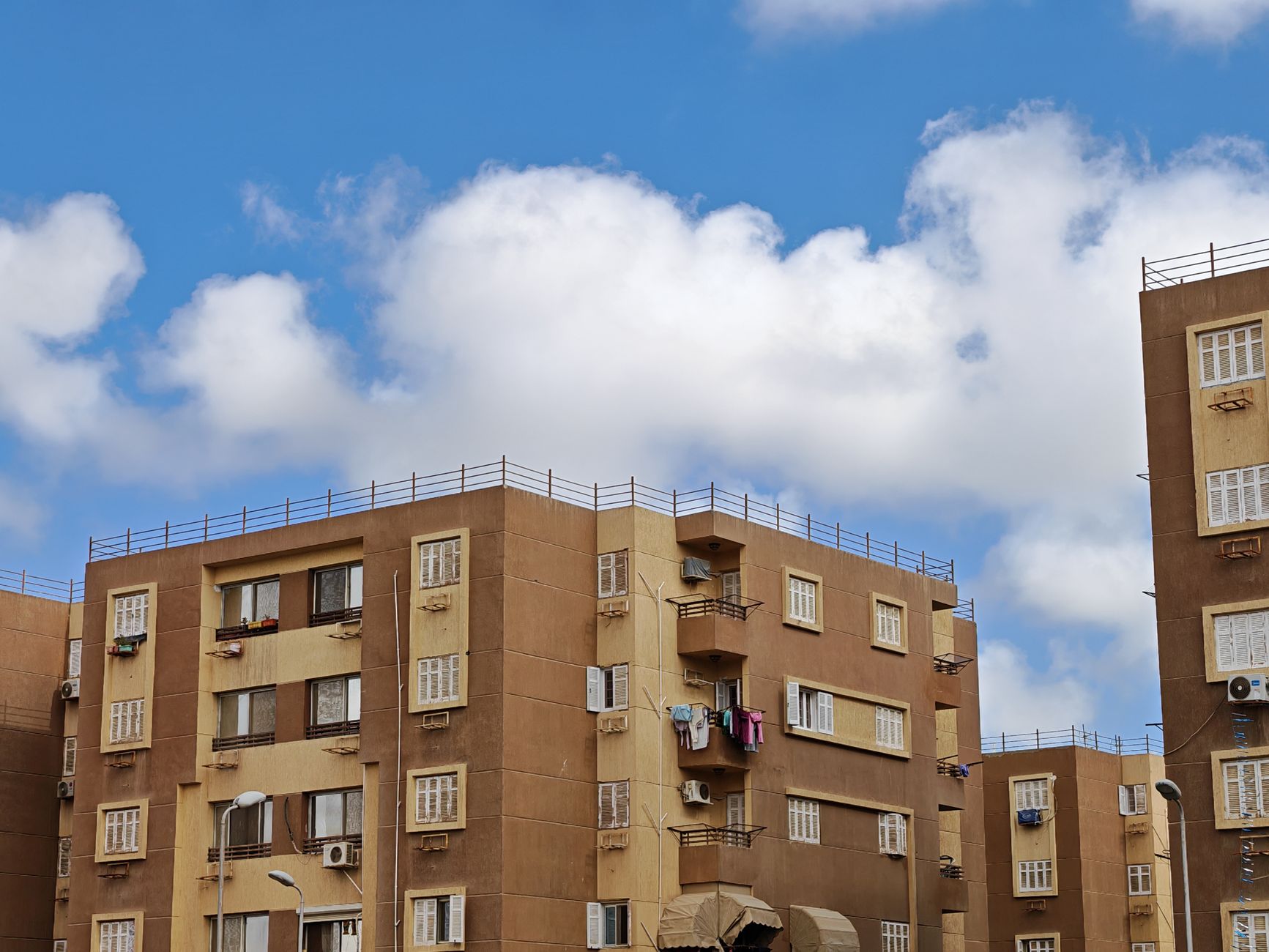
The central driver? Supply-side constraints meeting developer economics. New Cairo and October City command premiums of 30–50% above the city average, yet remain the primary focus of major developers seeking higher margins. Meanwhile, traditional middle-income neighbourhoods—Helwan, Ain Shams, and stretches of Nasr City—face persistent infrastructure bottlenecks that suppress demand and, paradoxically, limit price appreciation that might signal investment opportunity.
Land scarcity is reshaping the game. Plot availability along the Ring Road and in established residential zones has contracted significantly. Developers increasingly opt for high-rise residential towers in premium zones rather than mid-rise, mixed-income complexes in outer districts. This structural shift explains why affordable units under EGP 1.5 million remain concentrated in satellite cities with long commutes rather than accessible inner-ring neighbourhoods.
Government policy is, slowly, attempting correction. The Housing and Urban Development Ministry's renewed focus on social housing partnerships with private developers—particularly in New Administrative Capital extensions—signals intent, though execution remains uneven. The absence of transparent, large-scale affordable housing inventory in central Cairo speaks volumes about market incentives.
For buyers now, several realities matter. First, the Maadi and Zamalek luxury enclaves are effectively closed chapters for middle-income purchasers; banks' lending ratios favour properties above EGP 3 million, pricing out first-time buyers. Second, commuting dynamics have shifted: East Cairo corridors toward the New Capital offer newer supply at 15–25% discounts versus comparable west-bank options, though travel time to Downtown Cairo can exceed 90 minutes during peak hours.
Third, mortgage availability remains constrained. Most Egyptian banks cap lending at 70–80% of property value, requiring substantial down payments in an economy where median household incomes haven't kept pace with price growth over the past three years.
The practical takeaway: buyers targeting genuine affordability should prioritize neighbourhoods along planned metro extensions and new ring-road arterials—areas where infrastructure investment may drive long-term appreciation without speculative pricing. October City's satellite zones and Obour City remain undervalued relative to development trajectory, though patience is required.
Expect further bifurcation. Ultra-premium developments will flourish; middle-income options will consolidate in fewer locations. Now is the moment to act before that window narrows further.
This article was compiled by AI and screened before publishing. See our editorial standards.