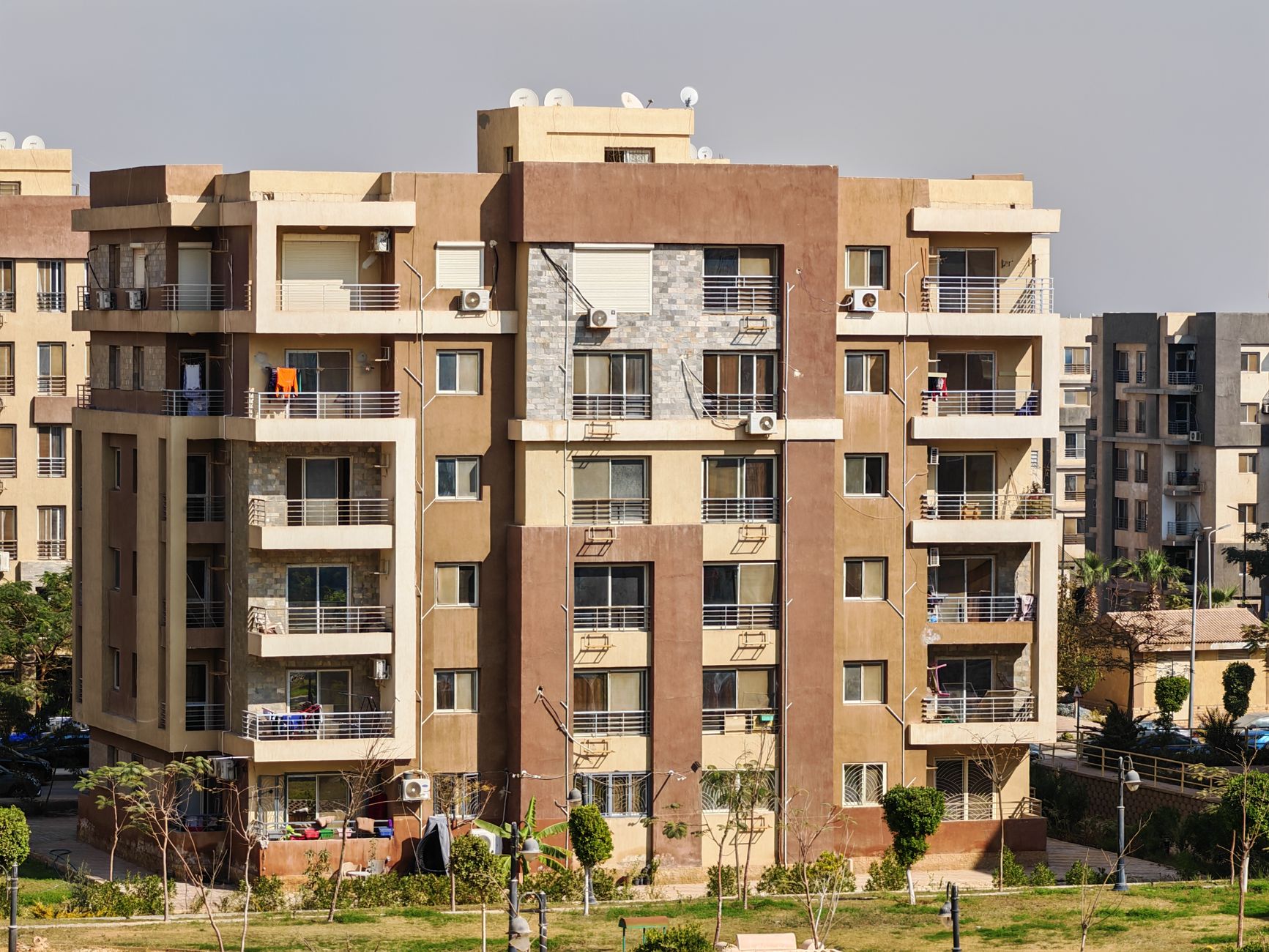
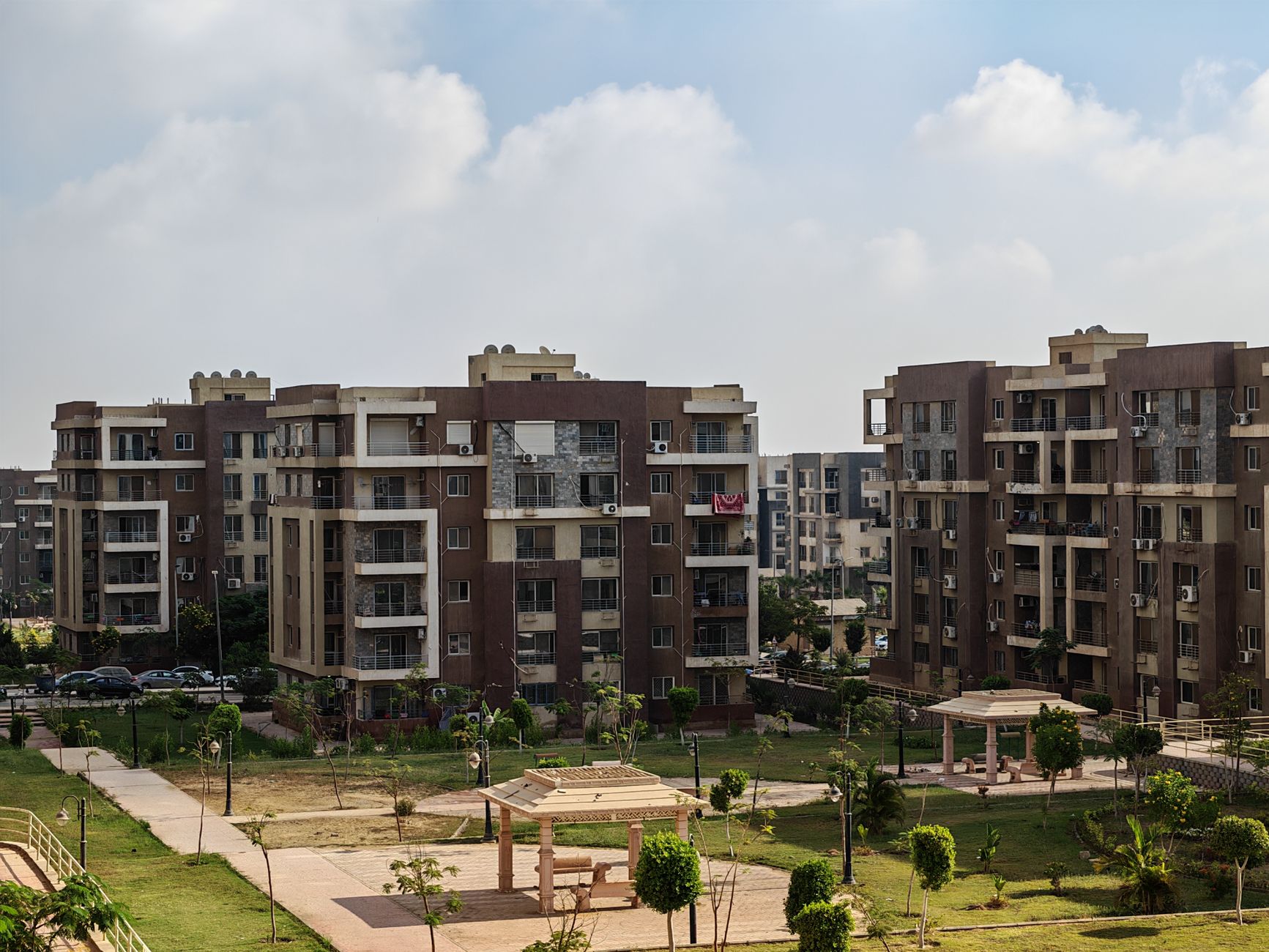
The property market's centre of gravity has shifted east. What was once considered speculative territory beyond the Ring Road is now attracting institutional interest and middle-market investors, driven by the steady migration of government functions to the New Administrative Capital and the infrastructure boom accompanying it.
New Cairo, already commanding premiums of 120,000–150,000 EGP per square metre for quality residential developments, is experiencing fresh momentum. The completion of the Ring Road extension and improved arterial connections to the Capital have reduced commute friction significantly. New projects clustering around the Fifth Settlement—particularly along the Suez Road corridor—are targeting professionals unwilling to compromise on amenities but unable to justify Zamalek or Maadi's eye-watering valuations. Average rents for modern two-bedroom units have risen 12–15% year-on-year, suggesting investor confidence in rental yield sustainability.
October City, historically positioned as Cairo's affordability play, is undergoing quiet reinvention. The municipality's investment in public transport and the planned expansion of commercial hubs near the Autostrad junction are improving appeal beyond first-time buyers. Mid-range developments launching at 65,000–85,000 EGP per square metre are finding traction among young families and expatriate professionals—demographics increasingly indifferent to proximity to Downtown or Garden City.
What distinguishes this cycle from previous expansion phases is infrastructure-led development rather than speculative land banking. The Egyptian government's continued commitment to Capital relocation—with phases two and three accelerating through 2026—has catalysed genuine commercial clustering in surrounding zones. Retailers, services and hospitality operators are following residents rather than chasing them.
However, investors should temper enthusiasm. Oversupply remains a structural risk. Several large-scale projects remain half-occupied, and regulatory ambiguity around property taxation continues to dampen foreign buyer participation. The recent clearance rate volatility affecting secondary suburbs suggests market segments are bifurcating: premium locations with demonstrable infrastructure wins are performing; peripheral developments lack liquidity.
For buy-to-rent strategies, New Cairo's established communities offer the safest entry point—rental demand is proven and tenant quality is stable. October City suits investors with longer time horizons who believe in the demographic thesis. Both neighbourhoods remain substantially cheaper than established expatriate enclaves while offering comparable amenities and clearer capital growth narratives than central zones.
The shift eastward is neither temporary nor speculative. It reflects genuine economic reordering. Smart money is already positioned.
This article was compiled by AI and screened before publishing. See our editorial standards.