For years, New Cairo and October City dominated Cairo's investment property conversation. But a quiet shift is underway in Sheikh Zayed City, where yield-hungry investors are discovering what local estate agents describe as the last genuine arbitrage opportunity in Greater Cairo's organised suburbs.
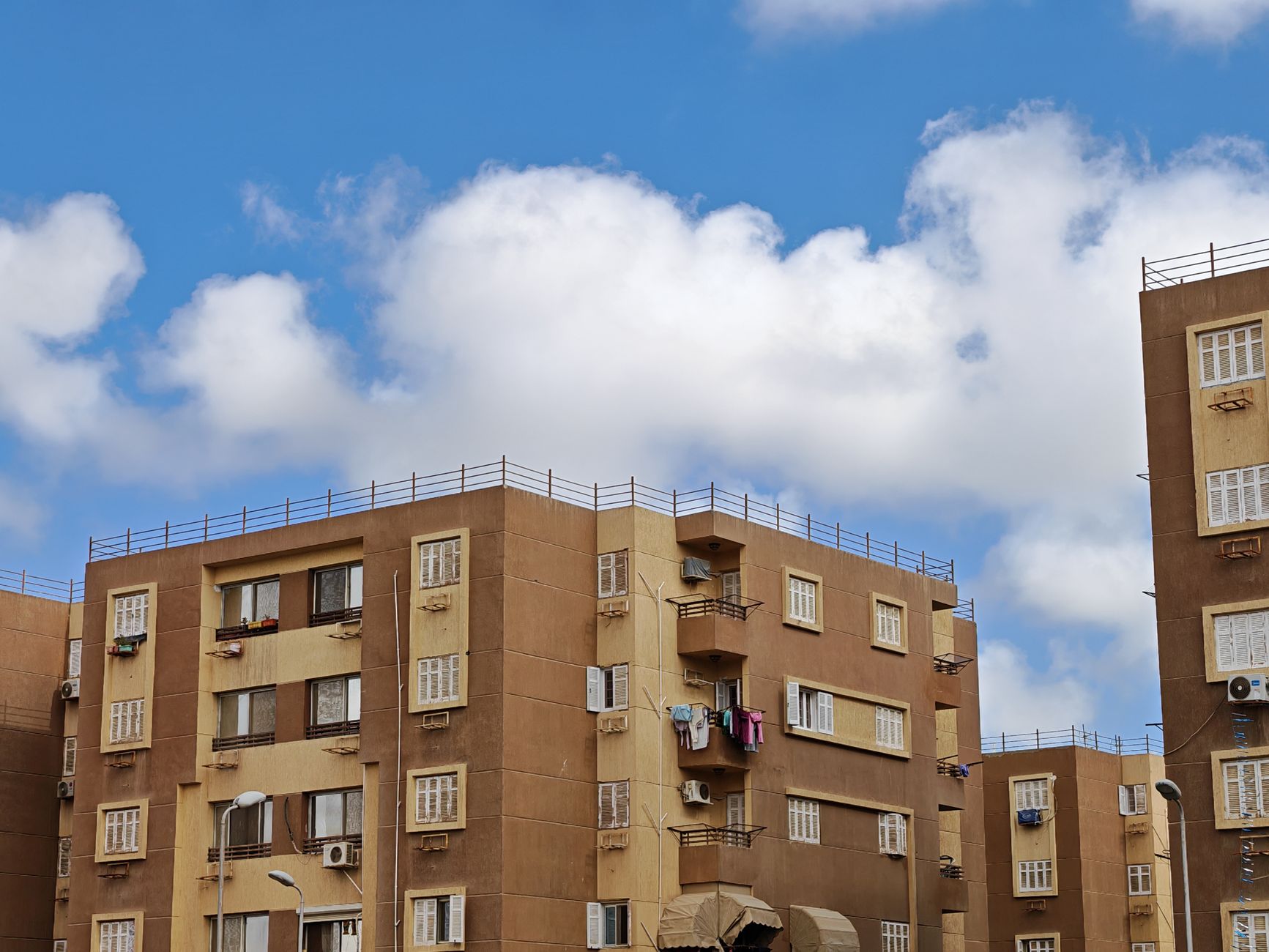
Sheikh Zayed City, located west of the Ring Road and roughly 25 kilometres from Downtown, has transformed dramatically over the past five years. What was once peripheral farmland is now a fully serviced residential and commercial hub, anchored by major retail developments, business parks, and the expanding Sheikh Zayed University campus. Average property prices currently hover around EGP 55,000–65,000 per square metre—a significant discount to New Cairo's EGP 95,000+ or Zamalek's luxury ceiling—yet the area is attracting a consistent migration of mid-to-upper-middle-class Cairo families and expatriate workers.
The rental yield picture tells the compelling story. A two-bedroom apartment in a mid-range compound in Sheikh Zayed City typically rents for EGP 6,000–8,000 monthly, generating gross yields of 4.5–5.5 percent on purchase prices between EGP 1.4–1.8 million. Compare that to October City's sluggish 2.8–3.2 percent yields on similar units commanding EGP 2.2+ million, and the mathematics favour the emerging neighbourhood.
Landlords operating in Sheikh Zayed City report several structural advantages. The area's relative youth means tenant bases skew younger—professionals employed at nearby business districts, university staff, and expat families relocating from central Cairo or Maadi. Vacancy rates remain below 8 percent, compared to industry-wide Cairo averages near 12 percent. Property management companies including Ideal Properties and Zamalek Real Estate have expanded operations here, reducing landlord friction.
Infrastructure investment is accelerating the appeal. The expansion of the Sheikh Zayed Corridor, coupled with planned light rail extensions toward New Administrative Capital, suggests structural demand will persist for years. Schools including Future International and The Choueifat School already operate there, anchoring family-oriented demographics.
Yet caution remains warranted. Sheikh Zayed City's compound-dependent model mirrors October City's trajectory—early yields may compress as the market matures and competition intensifies. Landlords should prioritise units within established, professionally-managed compounds rather than standalone villas, where tenant stability and maintenance costs prove more predictable.
For investors with a three-to-five-year horizon, Sheikh Zayed City represents genuine opportunity. For longer-term holders seeking stable, recession-resistant yields, the neighbourhood's youth cuts both ways.
This article was compiled by AI and screened before publishing. See our editorial standards.