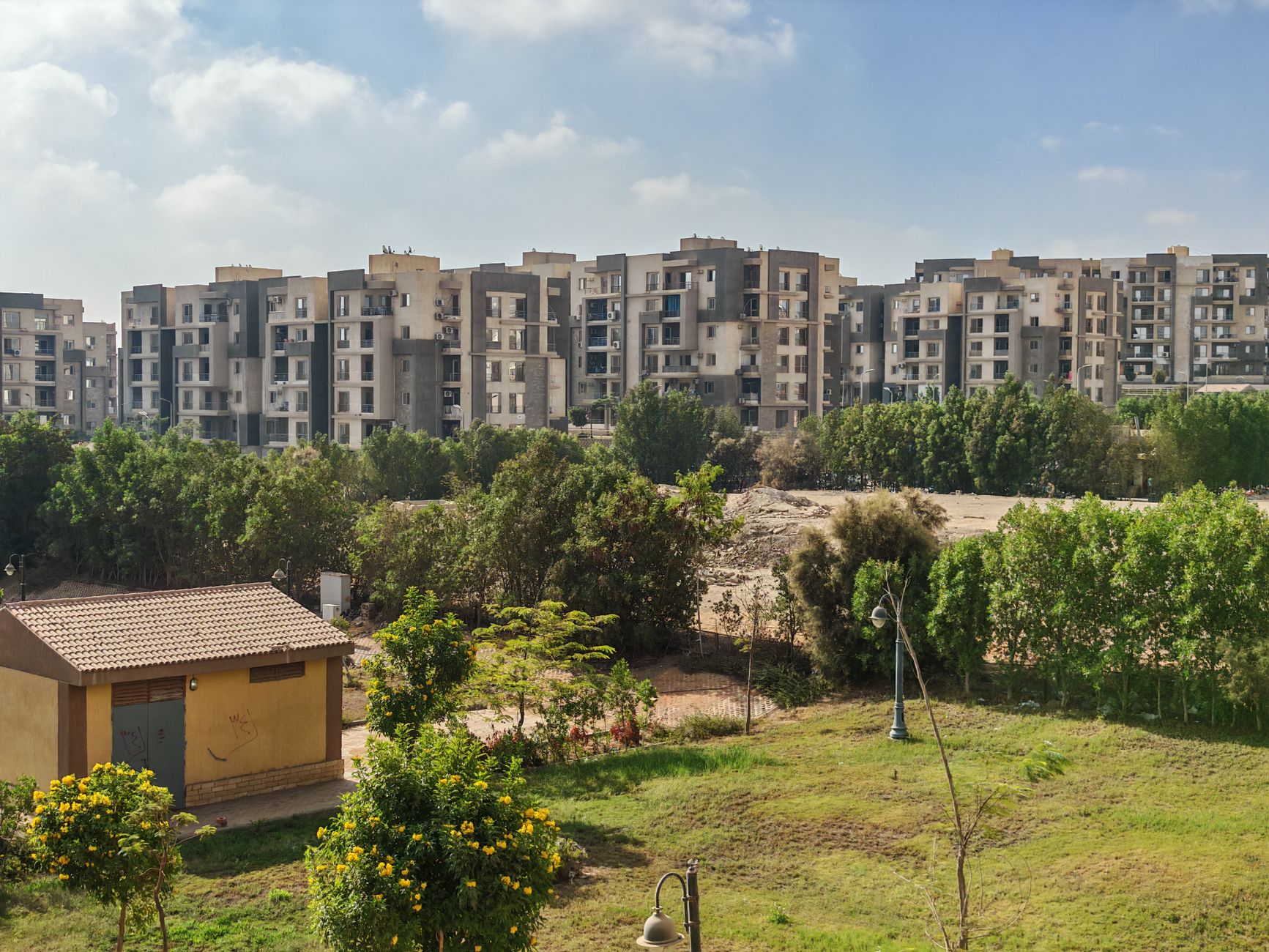
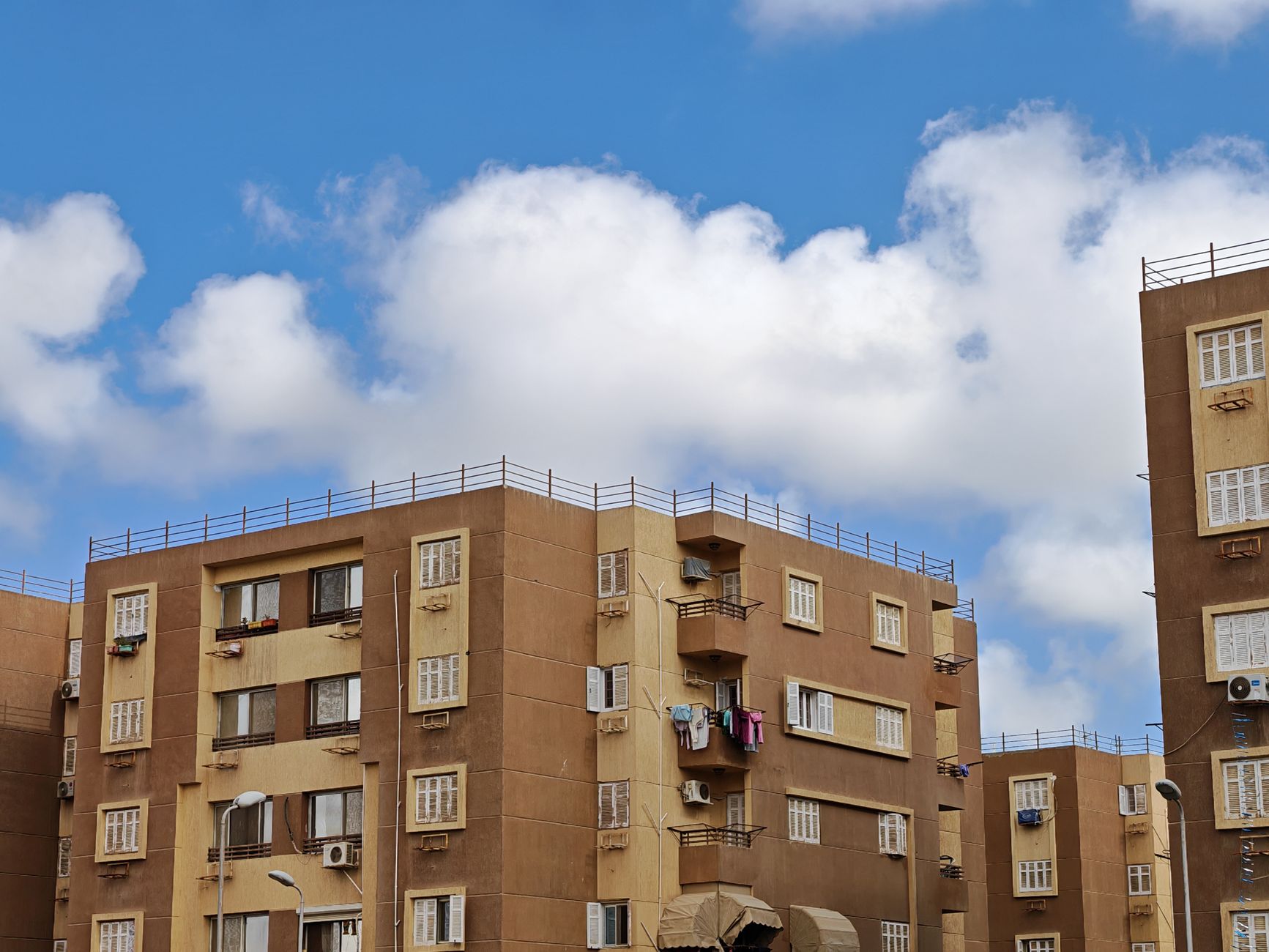
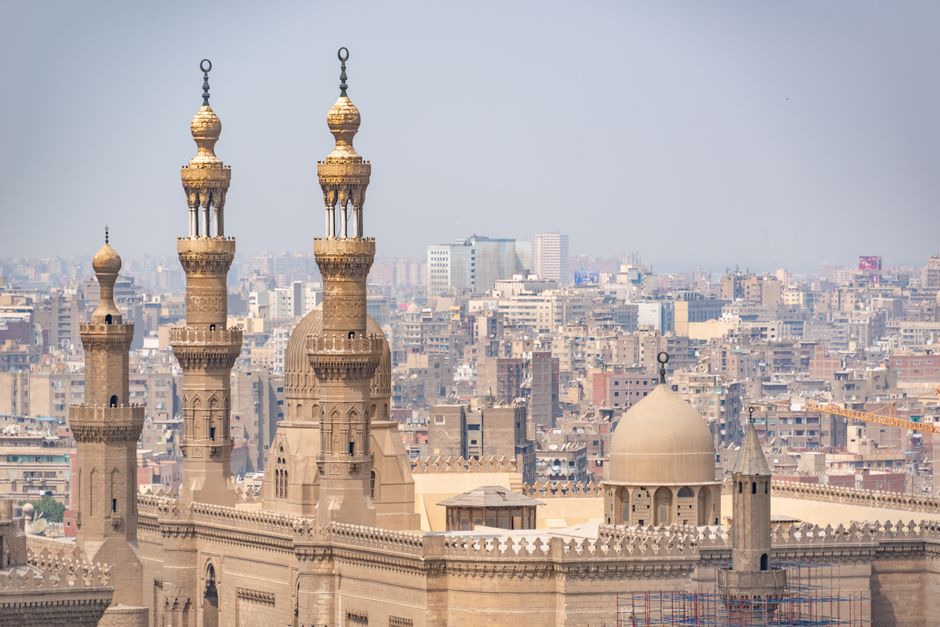
The rental market in Cairo's premium districts has entered a critical inflection point. With new residential complexes rising across New Cairo's Fifth Settlement and October City's expanding footprint, the question confronting both landlords and tenants is no longer whether supply will increase—it's how dramatically vacancy rates will shift in the coming 18 months.
According to property consultants tracking the market, vacant units in New Cairo hover around 8–12%, a figure that masks significant variation by micromarket. Along the Ring Road corridor and near the American University in Cairo's extension zones, newer buildings command premium rates averaging EGP 150,000–200,000 per square metre for off-plan units. Yet older stock in established compounds like Palm Hills and Beverly Hills shows softer absorption rates as tenants migrate toward purpose-built apartments in emerging developments.
The demographic shift is tangible. Young professionals and expatriate families—traditionally anchored to Zamalek's island luxury or Maadi's leafy enclaves—increasingly view New Cairo as the practical alternative. Monthly rents for a two-bedroom apartment in mid-range new developments now compete directly with older Maadi villas, undercutting by 15–20% while offering modern amenities: gyms, co-working spaces, and round-the-clock security.
What's driving this change? Three major factors intersect. First, the New Administrative Capital's proximity reduces commute friction for government and corporate employees, making New Cairo an attractive middle ground. Second, large-scale projects by major developers are flooding the market with standardised units, pressing downward on rates for below-average stock. Third, rental regulations—historically ambiguous—have stabilised somewhat, encouraging institutional investors to enter the market formally.
For tenants navigating this environment, the timing favours negotiation. Landlords holding units in buildings completed before 2020 increasingly offer concessions: flexible lease terms, furnished-to-unfurnished conversions, and reduced deposit requirements. In October City's newer phases, where completion rates have accelerated, asking rents have softened by 5–8% year-on-year as competition intensifies.
The cautionary note: this surplus is temporary. Property consultants expect absorption to accelerate once remote-work normalisation slows and domestic migration stabilises. The window for tenants seeking better value—particularly in semi-furnished apartments within walkable distance of the Ring Road or Sheikh Zayed City's commercial hub—remains open but narrowing.
Savvy renters should lock in longer leases now. By Q4 2026, as new projects near final completion and migration patterns crystallise, vacancy-driven discounts will likely evaporate. The rental market's generosity is cyclical, not permanent.
This article was compiled by AI and screened before publishing. See our editorial standards.