Cairo's Construction Boom Delivers Real Returns: What Investor Yields Actually Show
As new residential and mixed-use projects flood the market, data reveals a widening gap between flagship developments and secondary offerings.
As new residential and mixed-use projects flood the market, data reveals a widening gap between flagship developments and secondary offerings.
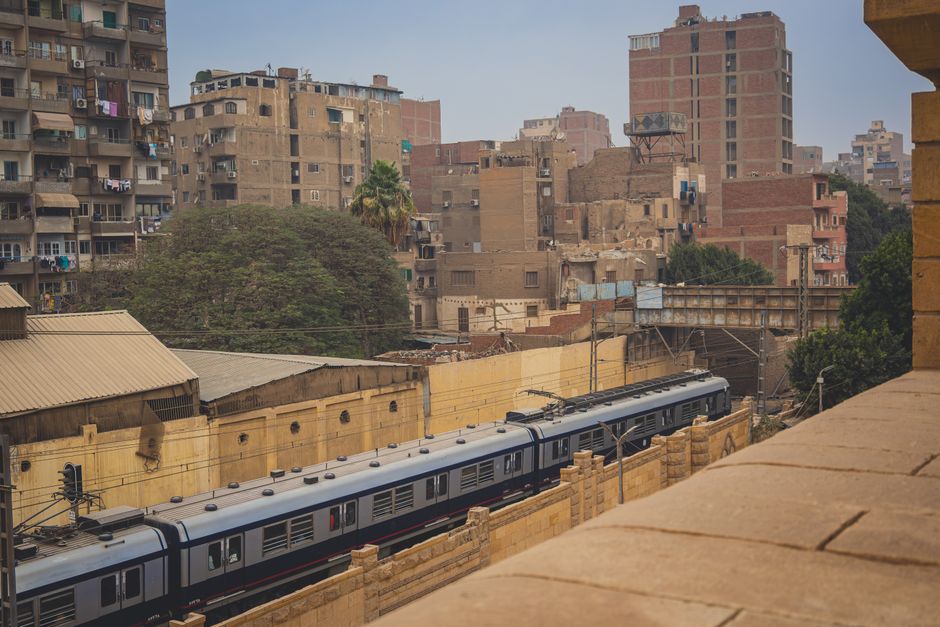
Cairo's property development pipeline has accelerated sharply over the past 18 months, with major approvals issued across New Cairo, October City, and the New Administrative Capital corridor. Yet beneath the headline growth figures, investor returns tell a more nuanced story—one where location, phase timing, and rental dynamics determine genuine yield potential.
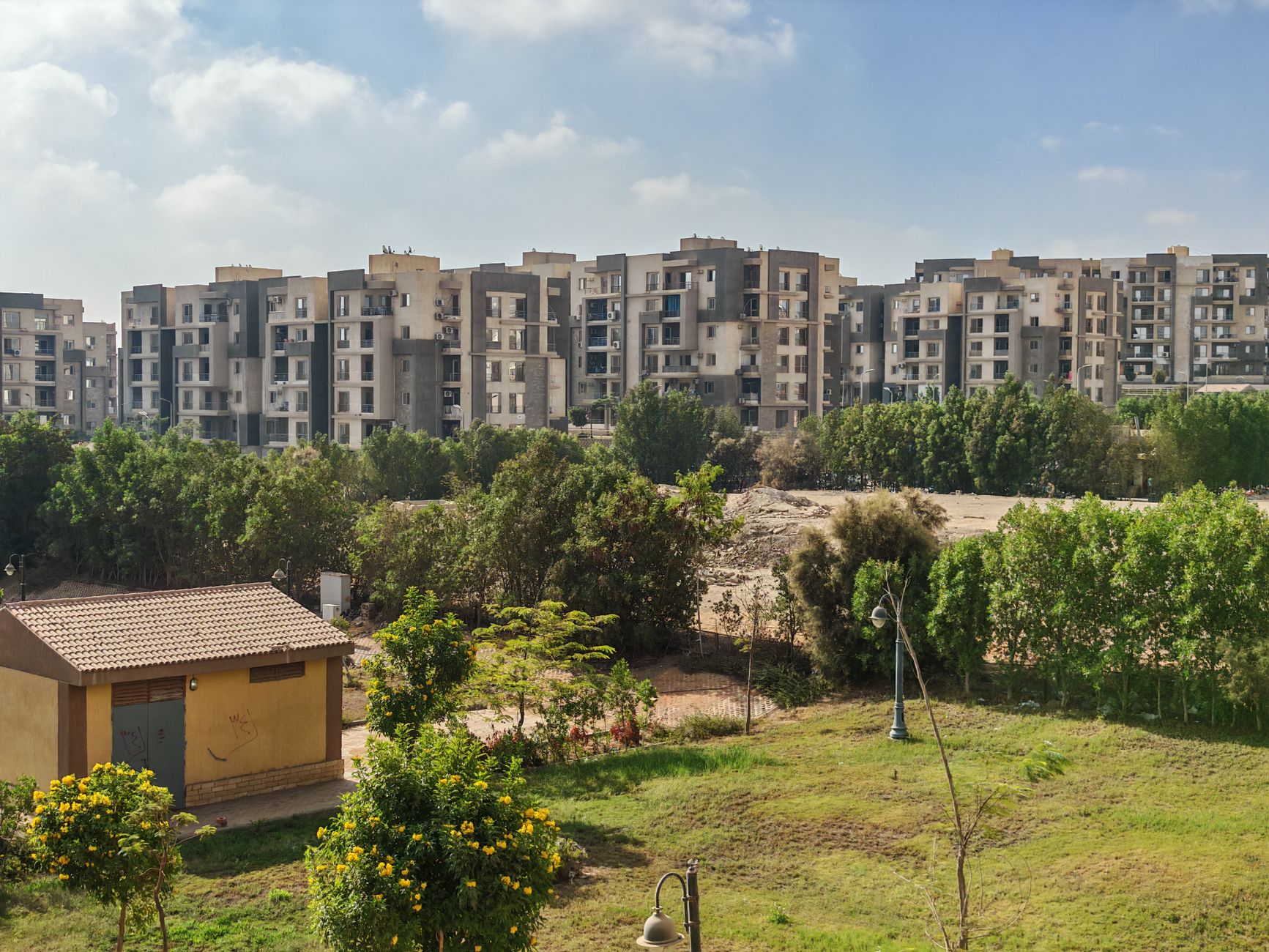
Recent approvals for mixed-use schemes along the 90th Street corridor in New Cairo and residential towers near the American University in Cairo have injected fresh supply. At the same time, completion rates for mid-2024 launches suggest investors in prime locations are capturing 6–8 per cent annual rental yields, while secondary projects struggle to move past 4–5 per cent. The city's baseline sits around EGP 80,000 per square metre, but premium micro-markets command double that.
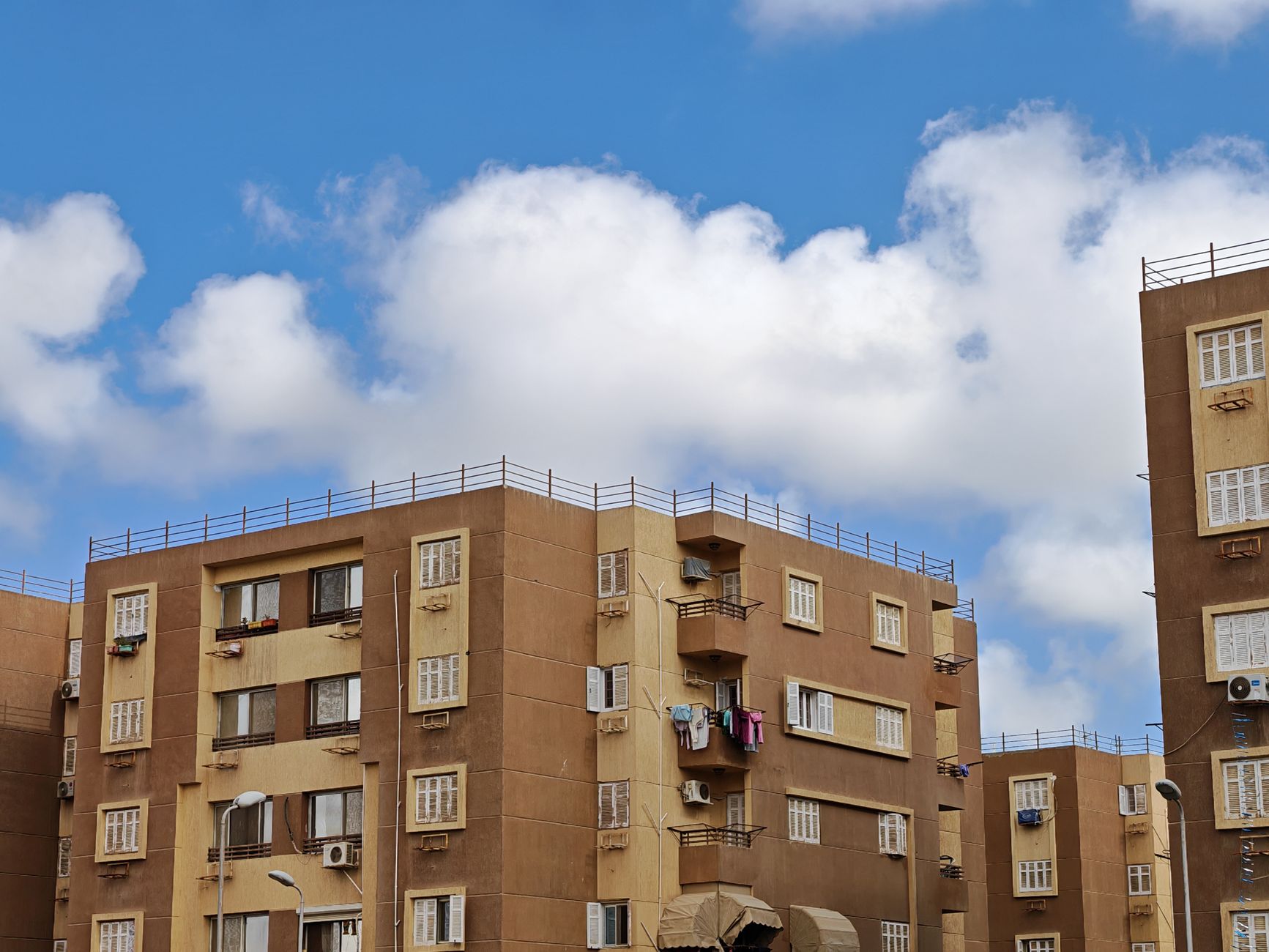
Data from recent transaction analysis reveals October City projects approved in 2024–2025 are tracking towards faster capital appreciation than comparable Maadi offerings, largely because construction timelines remain compressed and end-user demand from young professionals remains robust. A three-bedroom apartment in New Cairo's newer phases now rents for EGP 4,500–6,000 monthly; comparable Maadi stock—the long-established expat enclave—commands similar or slightly higher rents but with slower appreciation. The spread matters: acquisition cost versus rental income versus resale potential.
Zamalek's ultra-premium segment operates independently. Recent luxury approvals on the island and waterfront-adjacent plots justify EGP 150,000–200,000 per square metre, yet yields compress to 3–4 per cent because capital growth, not rental return, drives investor thesis. Investors chasing yield must look elsewhere.
The New Administrative Capital's emerging residential zones present a longer-horizon play. Government incentives and tax breaks attract institutional buyers, but rental markets remain illiquid. Early investors accept 2–3 per cent interim yields, betting on 15–20 year capital appreciation and eventual employer relocation.
Construction approval timelines have tightened under recent regulatory changes, with the New Urban Communities Authority fast-tracking permits for projects meeting sustainability benchmarks. This has sharpened competition: developers must deliver on schedule to maintain investor confidence. Delays directly erode yield projections.
Market intelligence suggests a bifurcation is hardening. Flagship, well-capitalised projects in high-demand zones—central New Cairo, premium October City parcels, Zamalek waterfront—continue attracting offshore and institutional capital. Secondary and tertiary offerings face headwinds: slower sales velocity, extended hold periods, and compressed yields relative to approval and financing costs.
For investors evaluating new approvals, the equation remains straightforward: location premium, construction credibility, and end-user demand determine whether yields will justify entry. Cairo's development boom is real, but not all supply generates equal returns.
This article was compiled by AI and screened before publishing. See our editorial standards.
How does this story make you feel?
Spread the word
About this article
Published by The Daily Cairo
Daily brief
Free, in your inbox before 7am. Weekdays.
More in Property