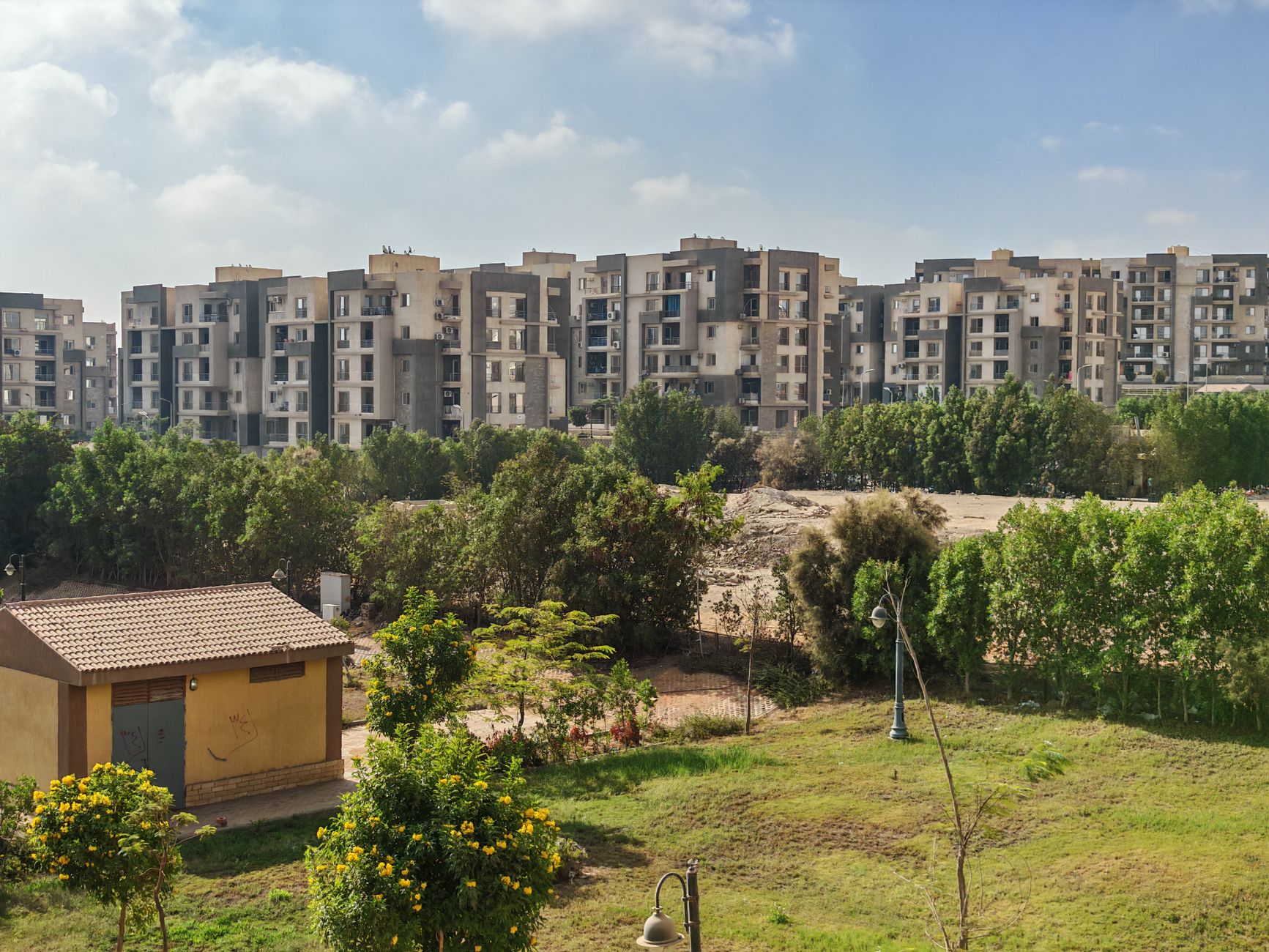
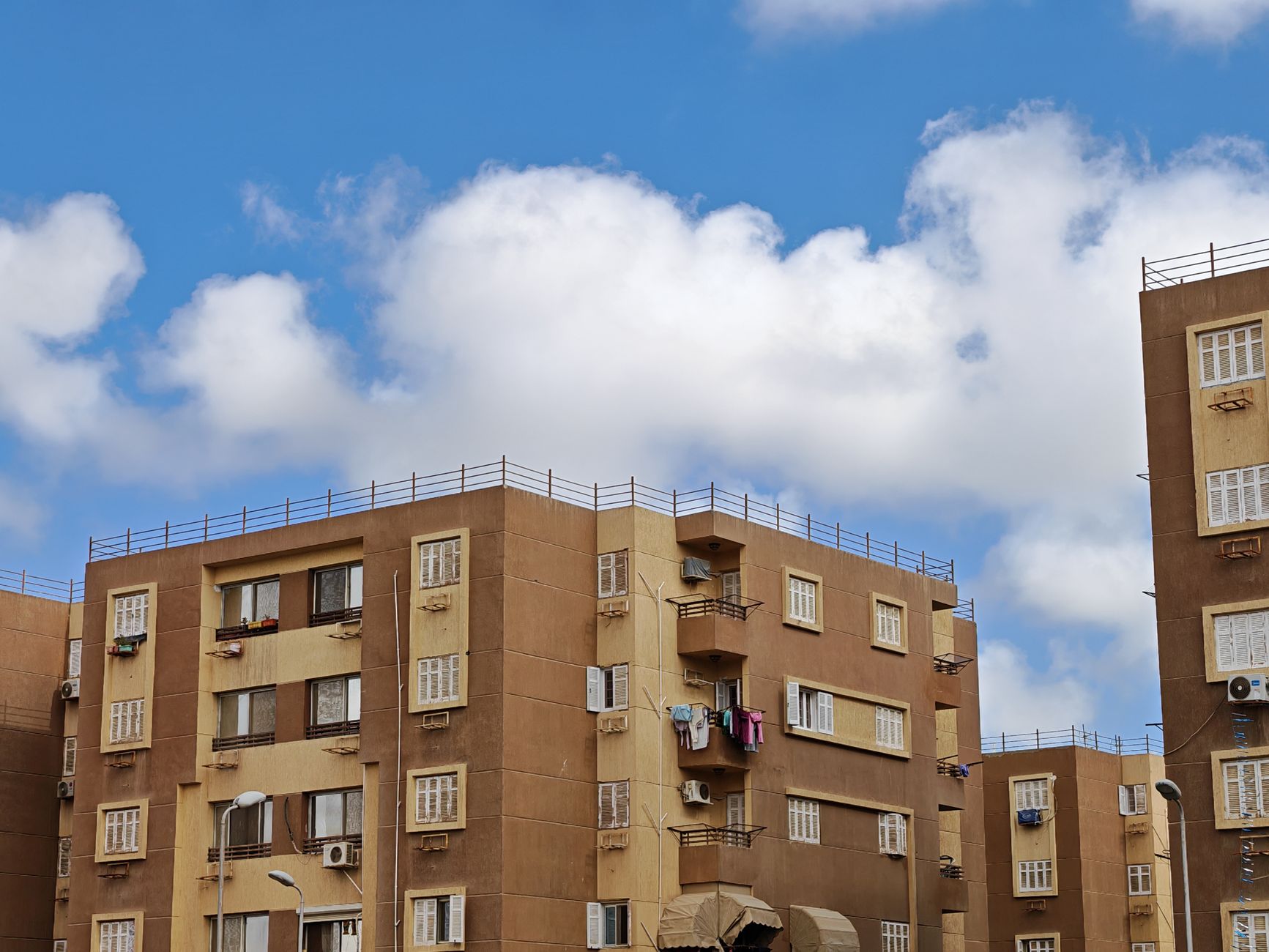
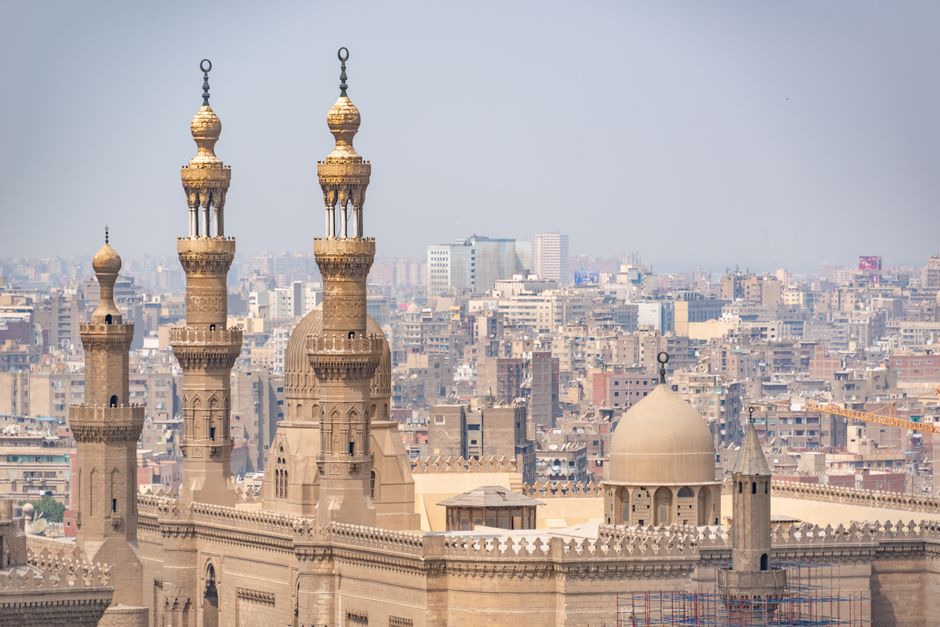
The construction cranes dotting the skyline above New Cairo tell a story that's reverberating through Cairo's rental market with unexpected force. Over the past eighteen months, the Real Estate Regulatory Authority has fast-tracked approvals for more than forty mid-to-high-rise residential projects across the 90th and 95th streets corridor and surrounding developments near the American University in Cairo's New Cairo campus. For landlords who have long relied on scarcity to maintain premium rental yields, the implications are unsettling.
Historically, Cairo's average rental yield has hovered around 4-5 percent annually, with premium properties in Zamalek and Maadi commanding rates closer to 6-7 percent. But as new supply enters the market—particularly studio and one-bedroom units priced between EGP 3,500 and EGP 5,500 per month in New Cairo—traditional landlords are facing downward pressure on both lease rates and tenant retention. Property managers report a noticeable shift: where three-year leases were once standard, many tenants now negotiate two-year terms with built-in rate reviews, effectively hedging against future hikes.
For renters, particularly the growing expatriate community in October City and the younger professionals clustering around the Smart Village vicinity, the new supply offers genuine relief. Competition between landlords for quality tenants has introduced provisions previously unheard of in Cairo's rigid rental culture: flexible move-in dates, landlord-funded maintenance guarantees, and even furnished options with included utilities. One property developer currently marketing units near the Sheikh Zayed compound noted that tenant amenities—gyms, concierge services, co-working spaces—have become non-negotiable selling points.
Yet the picture remains mixed. Older developments in established areas like Heliopolis and Garden City—where average rents hover around EGP 2,000-3,500 for comparable units—are experiencing longer vacancy periods as renters migrate toward newer infrastructure and modern amenities. This is creating a two-tiered market: premium new construction retaining strong demand, while dated stock struggles.
The New Administrative Capital's continued draw of government offices and corporate relocations is simultaneously competing for tenant attention, further fragmenting Cairo's rental base. Market analysts suggest the approval surge will stabilize within 24-36 months, after which the rental dynamics may normalize—but not before reshaping expectations on both sides of the lease agreement. For now, the construction boom has handed tenants leverage they haven't wielded in decades.
This article was compiled by AI and screened before publishing. See our editorial standards.