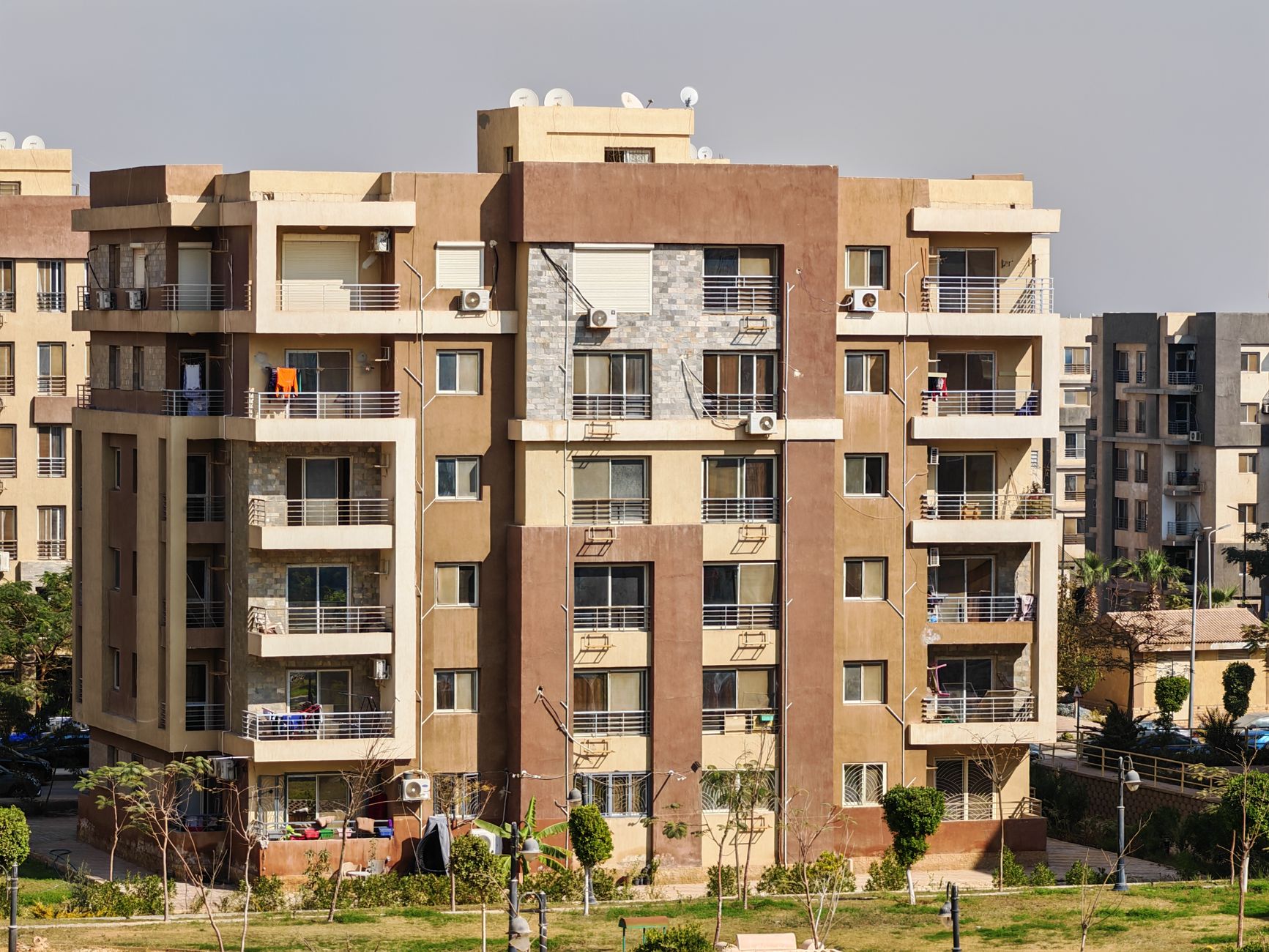
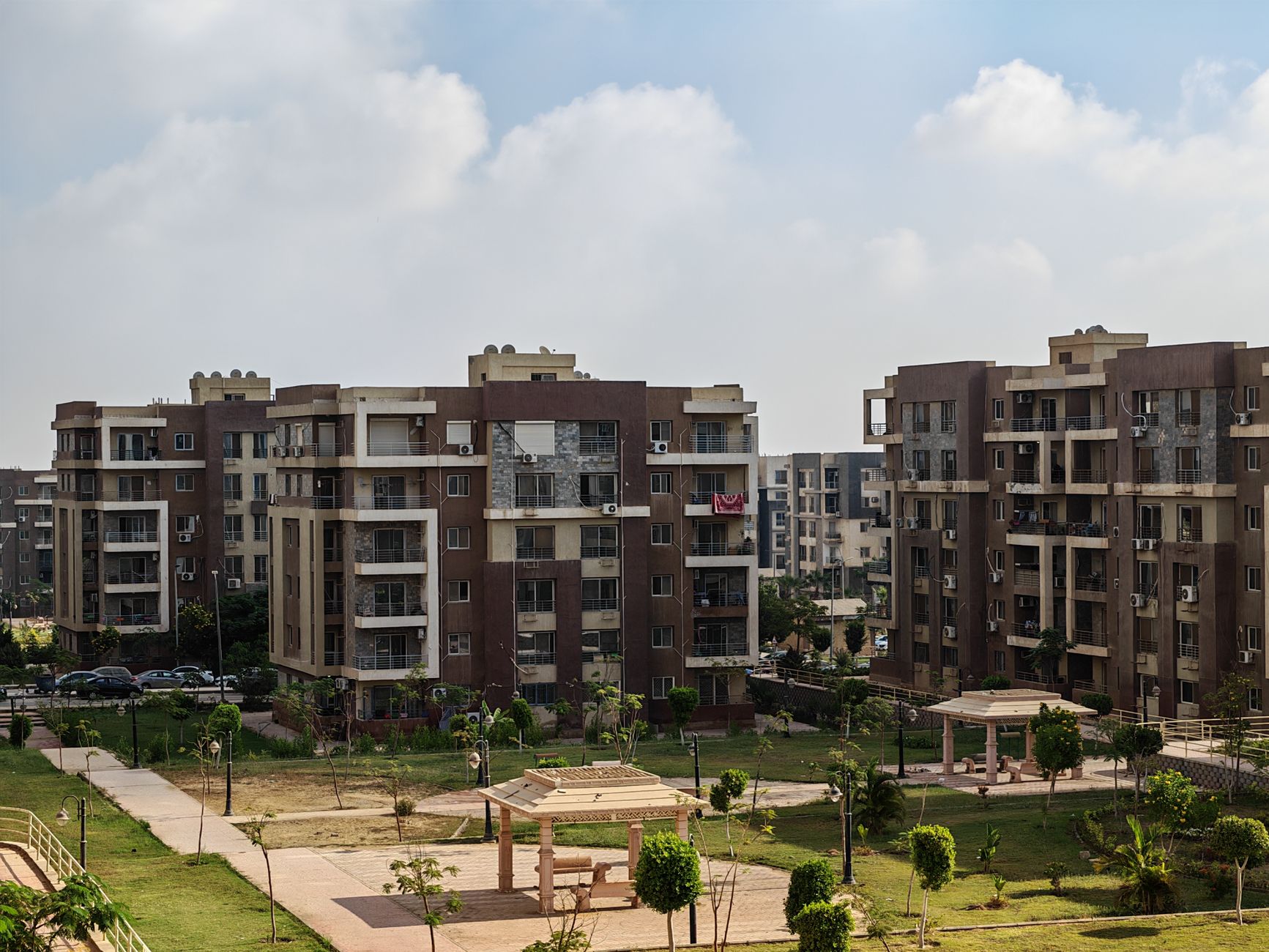
While Zamalek maintains its lustre and New Cairo commands premium rents, a quieter transformation is underway in Sheikh Zayed City. The sprawling West Cairo suburb, once dismissed as peripheral, is rapidly becoming the rental market's unexpected darling—and savvy investors are taking notice.
Vacancy rates across Cairo's traditional hotspots have begun to stabilise at around 8–12 per cent, according to local property surveys, but Sheikh Zayed City tells a different story. New apartment blocks along the Ring Road and neighbouring compounds near the Nile-side developments are reporting occupancy rates consistently above 85 per cent, with modest yet steady rental growth of 6–8 per cent annually.
The numbers speak plainly. A two-bedroom apartment in Sheikh Zayed City now rents for approximately EGP 8,000–12,000 monthly—roughly 40 per cent less than comparable units in Maadi or Heliopolis, yet still commanding healthy yields for landlords. Studio flats and one-bedroom units, priced at EGP 4,500–7,000, are particularly attractive to young professionals and early-career expats navigating Cairo's cost-of-living squeeze.
What's driving this shift? Infrastructure. The completion of the Ahmed Oraby interchange and ongoing improvements to the Ring Road have slashed commute times to Downtown Cairo and the New Administrative Capital—now critical for the government workers and private-sector staff populating the suburb. The Nile Corniche development and proximity to entertainment venues like The Gate Mall have elevated Sheikh Zayed's social profile beyond its bedroom-community origins.
For tenants, the calculus is straightforward. A family or small household can secure quality accommodation—often in relatively new compounds featuring gyms, pools, and 24-hour security—without the steep premiums of Zamalek's island isolation or New Cairo's sprawl. The trade-off: fewer heritage cafés than Downtown, but better connectivity and lower cost-of-living.
Landlords, meanwhile, are benefiting from a growing tenant base less concerned with prestige addresses and more focused on practicality. Developers have responded; compounds such as those clustered near the future Metro extension stations are being snapped up by investors banking on long-term appreciation as Cairo's infrastructure spine extends westward.
Market observers caution that Sheikh Zayed's moment depends on sustained infrastructure investment and the New Capital's continued draw. But for now, it represents a rare opening in Cairo's rental market: a neighbourhood where both tenant and landlord can win.
This article was compiled by AI and screened before publishing. See our editorial standards.