Cairo's rental landscape is undergoing a seismic shift. With new residential compounds sprouting across New Cairo, October City, and the fringes of the New Administrative Capital, tenant demand is fragmenting—and vacancy rates tell a revealing story.
Until recently, Zamalek and Maadi commanded premium rents, with properties hovering around EGP 150,000–250,000 monthly for three-bedroom units. Today, competing developments in New Cairo's Fifth Settlement and along Ring Road East are offering comparable amenities at 30–40% lower rates, fundamentally altering where expats and affluent Egyptian families choose to live.
Real estate analysts tracking the market note that traditional high-demand zones are experiencing elevated vacancy windows—sometimes 2–3 months between tenants—compared to 3–4 weeks five years ago. The reason is structural: new purpose-built compounds with integrated schools, gyms, and retail are reducing tenant motivation to compromise on location or amenities.
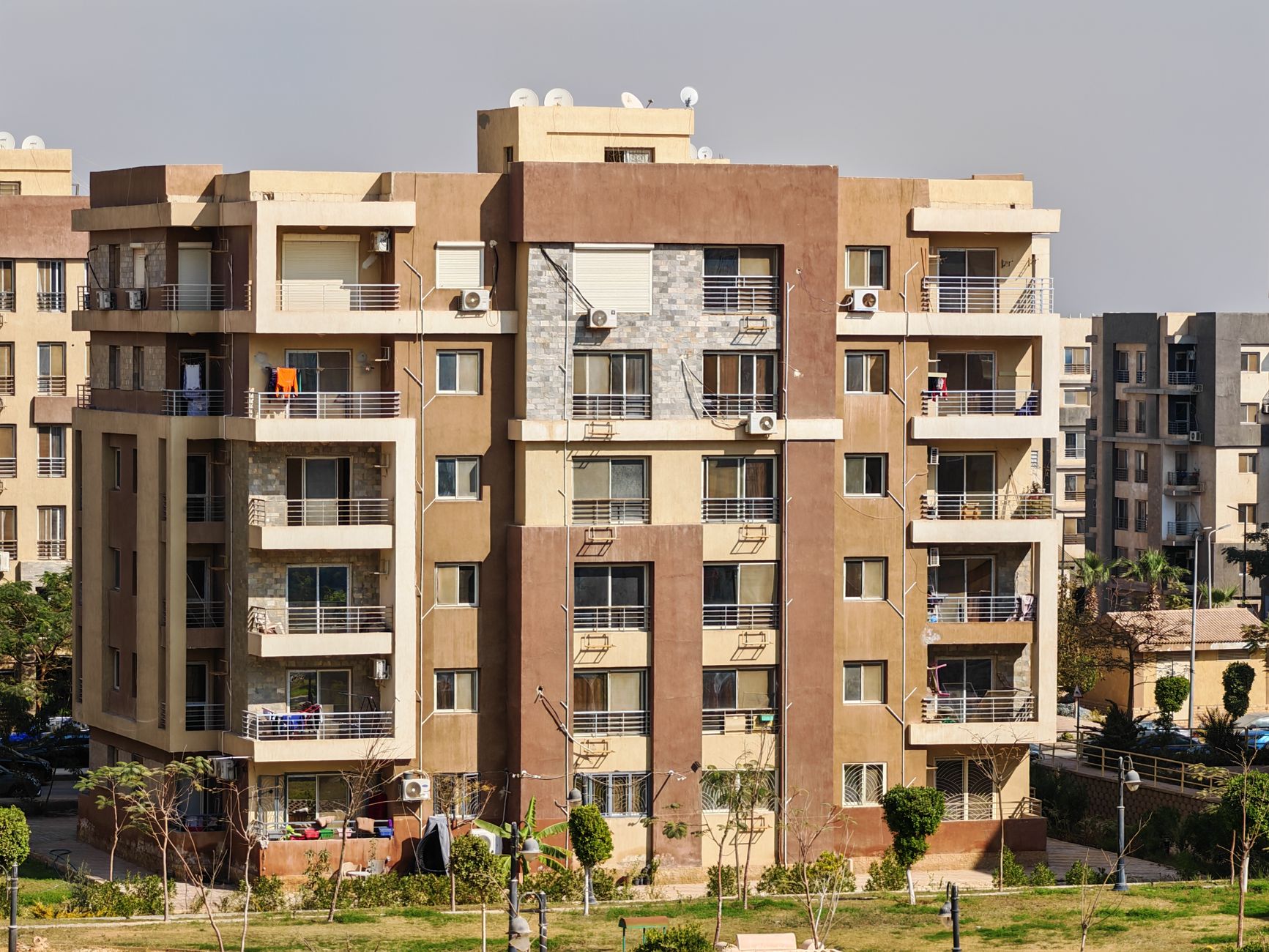
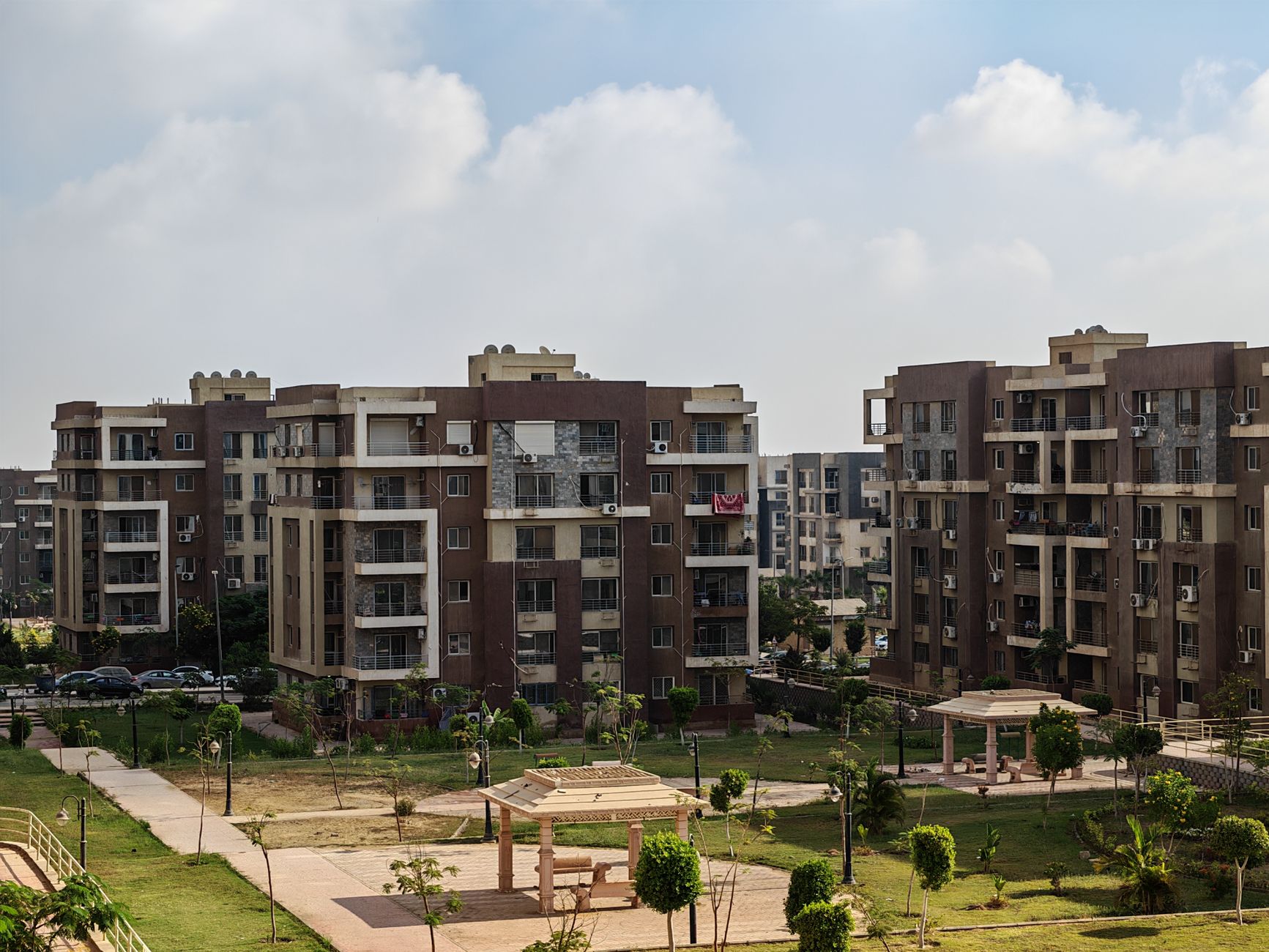
October City's sustained expansion, particularly around Sheikh Zayed district, has absorbed significant demand from Giza's western suburbs. Similarly, New Cairo's proliferation of gated communities along Al-Tesseen Street and near the American University corridor has created a renters' market where quality units sit longer on platforms like Airbnb and local property portals.
For tenants, the implications are favourable but require strategic thinking. Negotiating power has genuinely increased; landlords in saturated areas now accept three-month lease breaks or furnished-to-unfurnished transitions they would have rejected two years ago. However, competition for premium units in genuinely desirable locations—such as Zamalek's riverside properties or Maadi's Garden City-adjacent villas—remains fierce.
The New Administrative Capital's emergence as an alternative employment hub has also redistributed demand. Young professionals and families relocating for government or corporate roles increasingly favour proximity to the capital rather than commuting from central Cairo, pulling renters eastward and reducing pressure on traditional neighbourhoods.
Savvy tenants are leveraging this environment by prioritising substance over prestige. A modern, well-managed compound in New Cairo or October City now offers superior amenities, security, and maintenance compared to ageing villas in older districts at comparable or lower cost. Conversely, landlords holding older properties in transitional areas face mounting pressure to renovate or reduce asking prices.
The broader message: Cairo's rental market is fragmenting along development lines. Newer compounds are winning tenant loyalty through design and integrated living, while established neighbourhoods must now compete on value, character, and location—not assumption of demand. For renters willing to explore emerging hotspots, 2026 offers genuine negotiating advantage.
This article was compiled by AI and screened before publishing. See our editorial standards.