The Cairo governorate's revised urban planning decree, implemented across the second quarter of 2026, has triggered a measurable recalibration of property values across the capital's most coveted addresses. The policy, which tightens floor-area ratios in established neighbourhoods while directing new development toward satellite cities, is forcing both investors and homebuyers to rethink their strategies in real time.
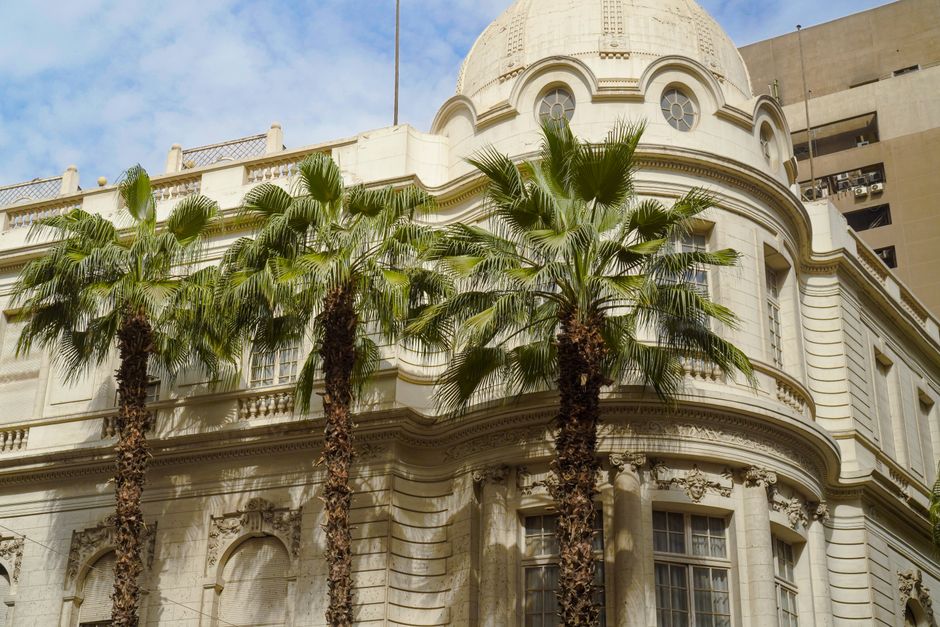
Zamalek, long considered Cairo's premier residential enclave, has seen asking prices stabilise around EGP 250,000 per square metre—a notable plateau compared to the upward trajectory of the previous eighteen months. Agents operating along 26th of July Street attribute this shift directly to planning restrictions that cap building heights at fifteen storeys in the island's historic core. The constraint has tightened available inventory, yet simultaneously cooled speculative buying, as investors recognise that density-driven returns are no longer possible.
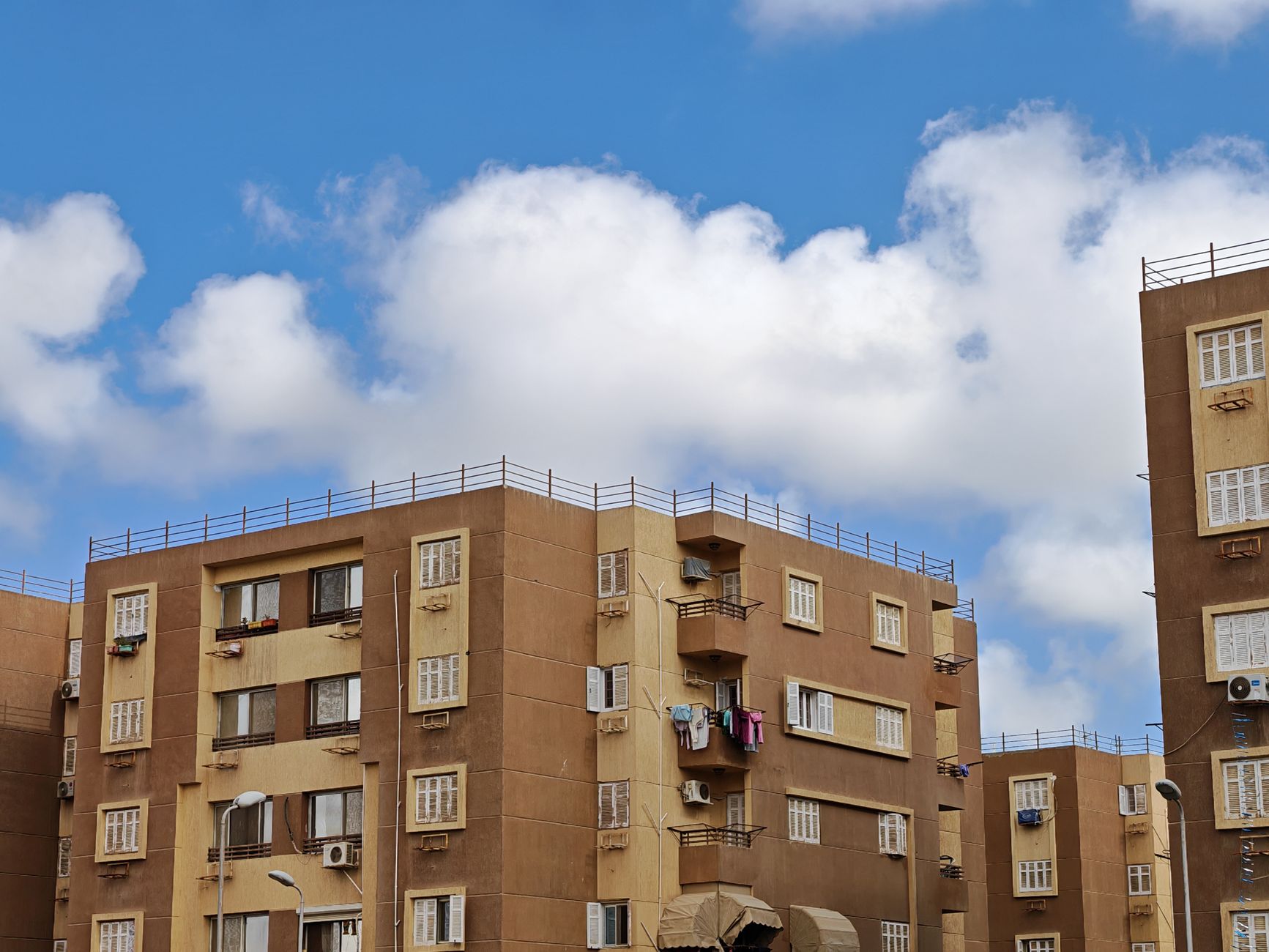
The policy's intended beneficiary—New Administrative Capital—continues to lure middle-market buyers with comparative affordability. Properties in Phase Five remain positioned at EGP 45,000 to EGP 60,000 per square metre, undercutting Maadi and New Cairo by roughly 30 per cent. Government incentives, including reduced transfer taxes for primary residences purchased before end-2026, have accelerated migration among young professionals and established expat families seeking value without distance. The satellite city now absorbs an estimated 22 per cent of greater Cairo's monthly transactions, according to proprietary market tracking.
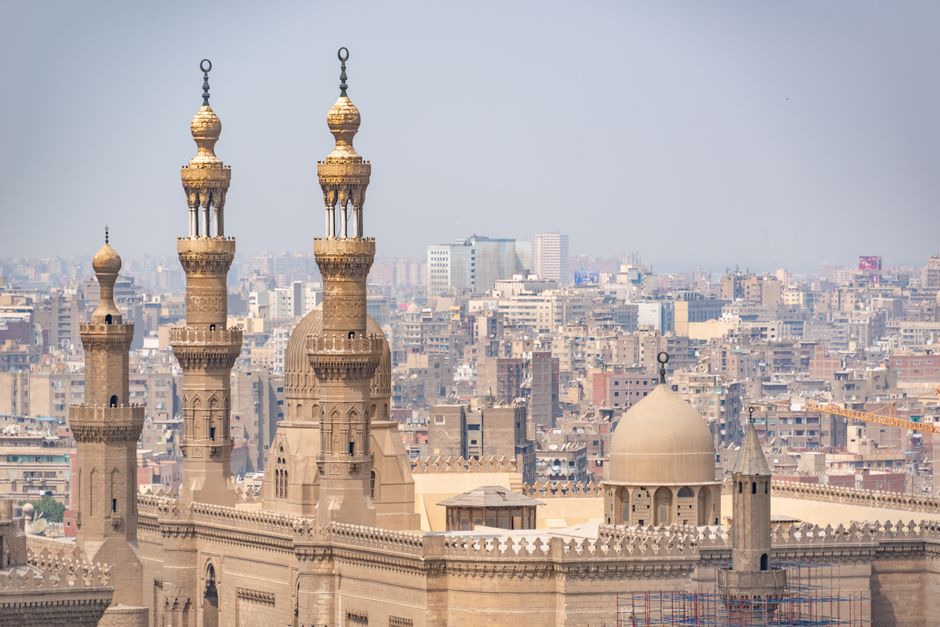
Central Cairo neighbourhoods—Heliopolis, Garden City, and the strips along Nile Corniche—face a different calculus. Planning decisions favouring heritage preservation over vertical expansion have effectively capped supply in zones where average prices already touch EGP 80,000 per square metre. This has inverted affordability logic: tighter regulation has paradoxically made entry-level ownership more difficult, as reduced new builds push prices upward despite lower transaction volumes.
October City and New Cairo remain the capital's volume leaders, absorbing price-sensitive buyers deterred by central restrictions. Yet even these premium suburbs are sensing policy pressure. Stricter environmental compliance requirements for new compounds have raised construction costs, with developers passing margins to end-buyers. A standard four-bedroom villa in New Cairo's Fifth Settlement now commands EGP 8 to EGP 12 million—20 per cent higher than late 2025 comparables.
Industry analysts expect the policy's full effects to unfold over the next twelve months. If satellite-city incentives succeed in dispersing demand, central Cairo's affordability crisis may ease. If they falter, Cairo faces a deepening divide between restricted historic zones and sprawling peripheries—a geographic affordability split that could reshape the city's social fabric for a generation.
This article was compiled by AI and screened before publishing. See our editorial standards.