Cairo's Housing Price Surge: What's Really Driving Costs and What Buyers Must Know Now
Infrastructure investment, foreign demand, and limited supply are reshaping Cairo's property landscape—but affordability gaps are widening across neighbourhoods.
Infrastructure investment, foreign demand, and limited supply are reshaping Cairo's property landscape—but affordability gaps are widening across neighbourhoods.
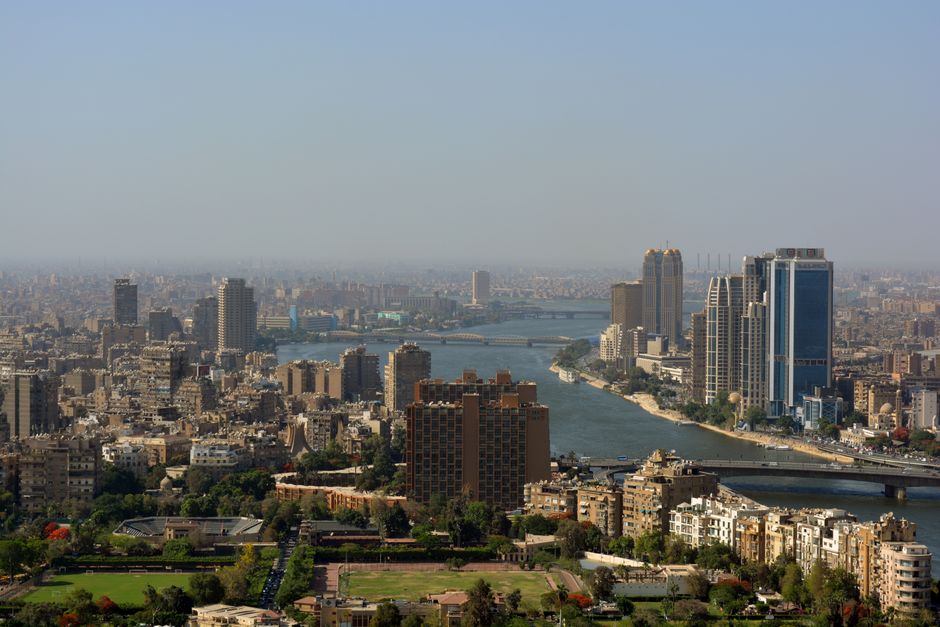
Cairo's housing market has entered a new phase. With average prices hovering around EGP 80,000 per square metre citywide, and premium neighbourhoods commanding triple that figure, buyers face a market driven by forces far beyond traditional supply-and-demand economics.
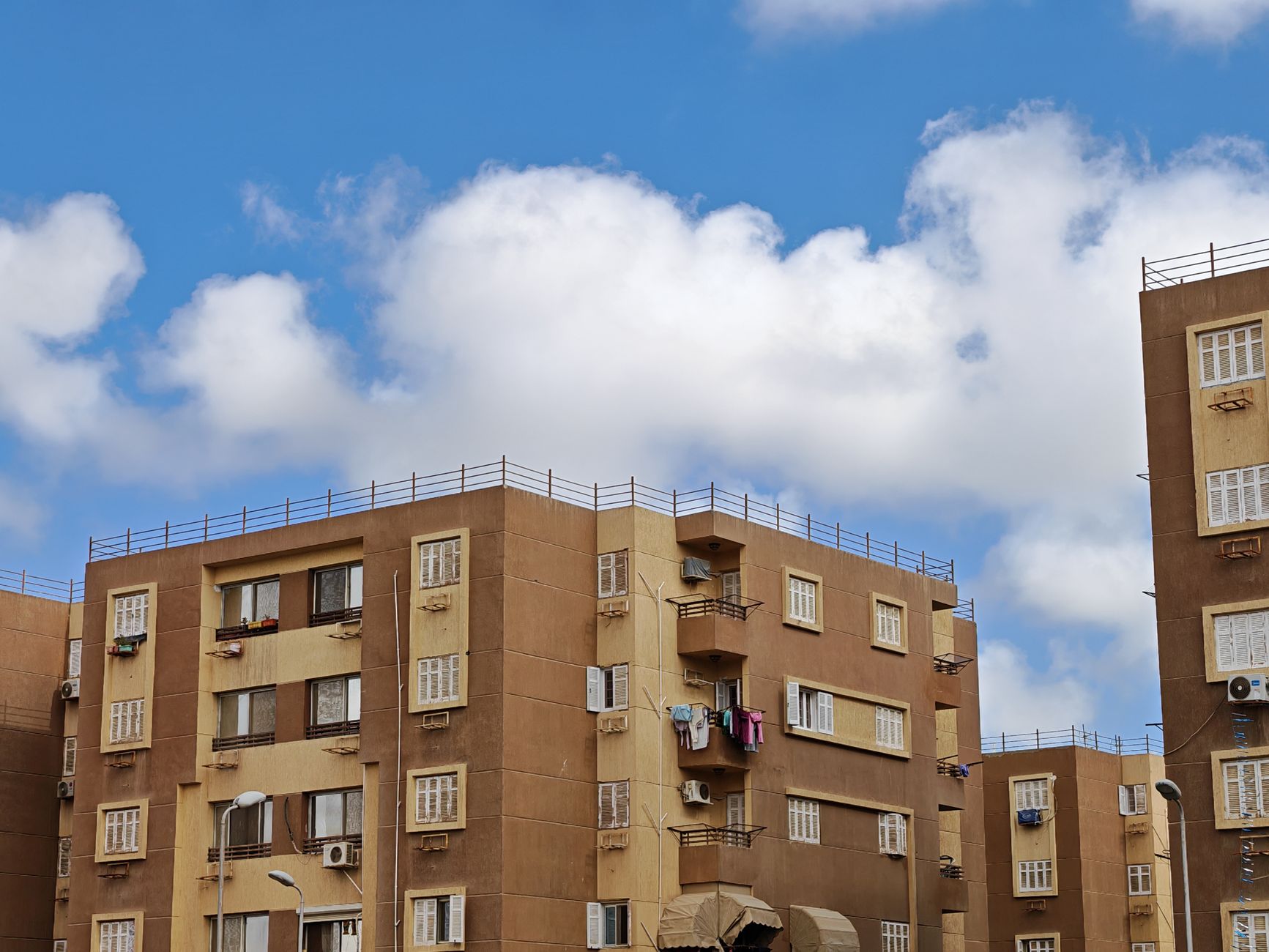
The primary catalyst remains infrastructure. The New Administrative Capital's development—coupled with ongoing improvements to ring roads and the expansion of the metro system—has fundamentally altered buyer perception of commute value. Properties in New Cairo and October City, traditionally positioned as satellites, now command 40 to 50 percent premiums over comparable units in older districts. Along the Ring Road corridor and near the Suez Road corridor, developers report consistent sell-through rates as white-collar workers seek proximity to both the new capital and central business districts.
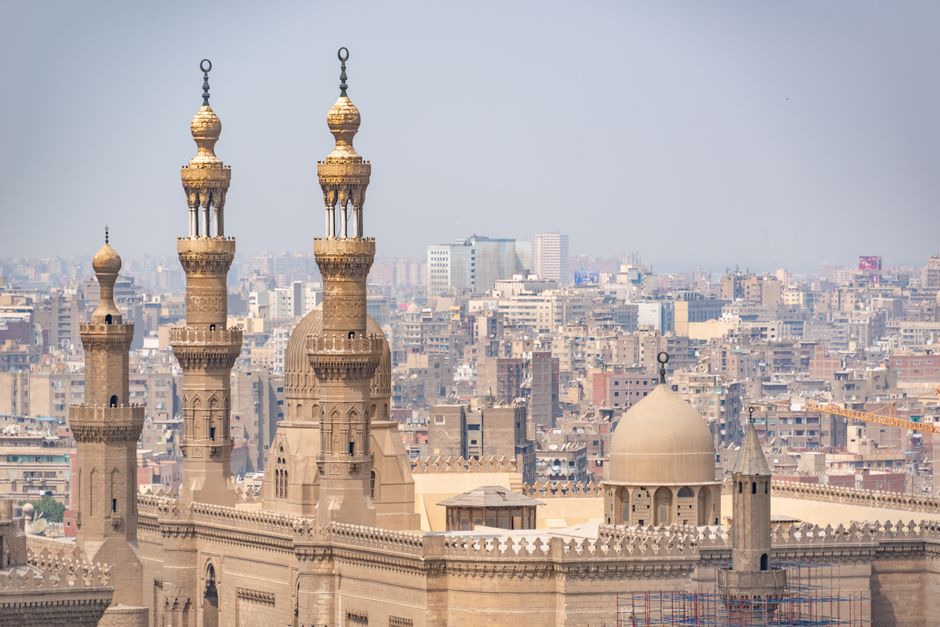
Foreign investment has accelerated this trajectory. Expat enclaves like Maadi, traditionally anchored by diplomatic and international business communities, have seen prices climb steadily. The neighbourhood's tree-lined streets, proximity to the American University in Cairo, and established infrastructure justify premiums—but they also price out middle-income Egyptian buyers entirely. Zamalek, Cairo's island luxury enclave, has emerged as a store of value comparable to international markets, attracting Gulf investors seeking stable assets.
What's driving prices up, however, is not matched by what's driving supply. New building permits have slowed compared to 2024 levels, according to industry observers, even as demand remains robust. The result: limited inventory in desirable neighbourhoods, particularly properties under EGP 5 million—the threshold for Cairo's aspiring middle class.
Currency dynamics matter too. As the Egyptian pound stabilised following Central Bank interventions, foreign buyers returned—particularly around New Cairo's developments and the emerging Heliopolis redevelopment zones. This created a two-tier market: one priced for international capital, one for local buyers increasingly squeezed out of premium areas.
For buyers entering the market now, several realities apply. First, neighbourhood selection determines long-term value more than ever—proximity to infrastructure corridors, not sentiment, drives appreciation. Second, the affordability crisis is real for middle-income earners; expect to venture further east toward New Administrative Capital satellite communities or south toward 6th of October City. Third, off-plan purchases remain cheaper but carry project completion risk in a market where developer solvency matters.
The Cairo property market is not broken, but it is increasingly bifurcated. Wealth concentration in premium zones is accelerating while genuine family homes become harder to finance. Buyers must map their actual needs against speculative trends before committing capital.
This article was compiled by AI and screened before publishing. See our editorial standards.
How does this story make you feel?
Spread the word
About this article
Published by The Daily Cairo
Daily brief
Free, in your inbox before 7am. Weekdays.
More in Property