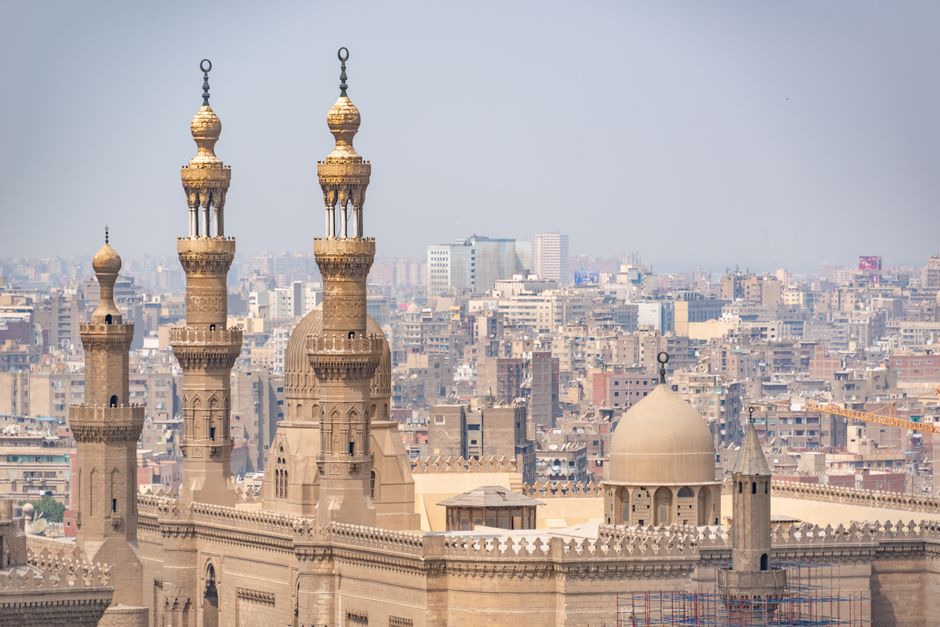
Heliopolis: The Emerging Luxury Hotspot Rewriting Cairo's High-End Property Map
As investors pivot away from saturated markets, the historic garden city is experiencing a quiet renaissance—with prime addresses commanding unprecedented valuations.
As investors pivot away from saturated markets, the historic garden city is experiencing a quiet renaissance—with prime addresses commanding unprecedented valuations.
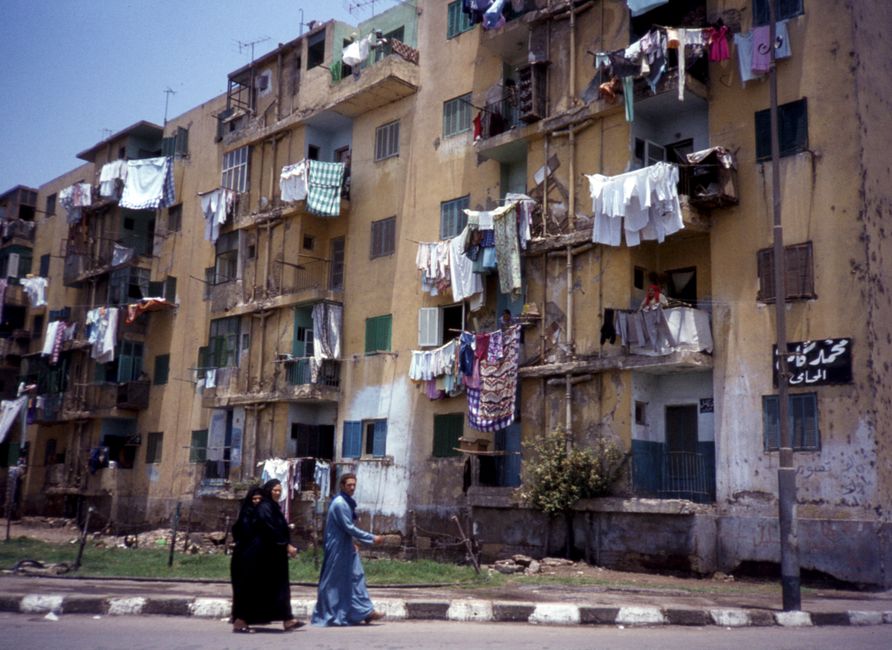
For decades, Cairo's luxury property conversation has centred on the predictable triumvirate: Zamalek's island exclusivity, Maadi's diplomatic allure, and New Cairo's sprawling compounds. But a subtle shift is reshaping the city's investment hierarchy, and it's happening in one of Cairo's most architecturally distinguished neighbourhoods: Heliopolis.
Once the domain of art deco enthusiasts and heritage conservationists, Heliopolis is experiencing a revaluation that reflects both scarcity and prestige. Properties along Sharia Urman and the avenues surrounding Heliopolis Palace—historically priced at 60,000–90,000 EGP per square metre—are now commanding figures exceeding 120,000 EGP/sqm for meticulously restored villas. This represents a 35–40 per cent premium over the broader Cairo average in just 18 months.
The driver is straightforward: land scarcity combined with architectural integrity. Unlike New Cairo's modular compounds or October City's spec-built aesthetics, Heliopolis offers something Cairo's ultra-wealthy increasingly covet—authenticity married to customisation. A fully renovated Belle Époque villa on a 1,500-sqm plot near the Heliopolis Club can now fetch 18–22 million EGP, a price point that positions it between Maadi's mid-market offerings and Zamalek's stratospheric ranges.
Local estate agents report sustained buyer interest from Gulf capitals and returning diaspora, many seeking Cairo residences that function as cultural anchors rather than mere assets. The completion of the Heliopolis Heritage District initiative—a preservation framework backed by local authorities—has further legitimised the neighbourhood's credentials as a stable, long-term investment vehicle.
What distinguishes this emergence is its organic nature. Unlike the marketing-driven booms that have characterised New Administrative Capital precincts or developer-led schemes in New Cairo, Heliopolis's reawakening reflects genuine demand for period properties in walkable, established urban fabric. The proximity to Ain Shams University, the Heliopolis Club, and curated retail along Sharia Al-Ahram adds institutional weight that newer suburbs struggle to match.
Analysts caution, however, that restoration costs remain steep—often adding 15–20 per cent to acquisition prices—and heritage regulations can slow development timelines. Yet for investors seeking differentiation in an increasingly homogenised luxury market, Heliopolis's combination of historical narrative, architectural distinction, and emerging price discovery represents a rare convergence. As Cairo's property market matures, the city's most sophisticated buyers are returning to its most storied addresses.
This article was compiled by AI and screened before publishing. See our editorial standards.
How does this story make you feel?
Spread the word
About this article
Published by The Daily Cairo
Daily brief
Free, in your inbox before 7am. Weekdays.
More in Property