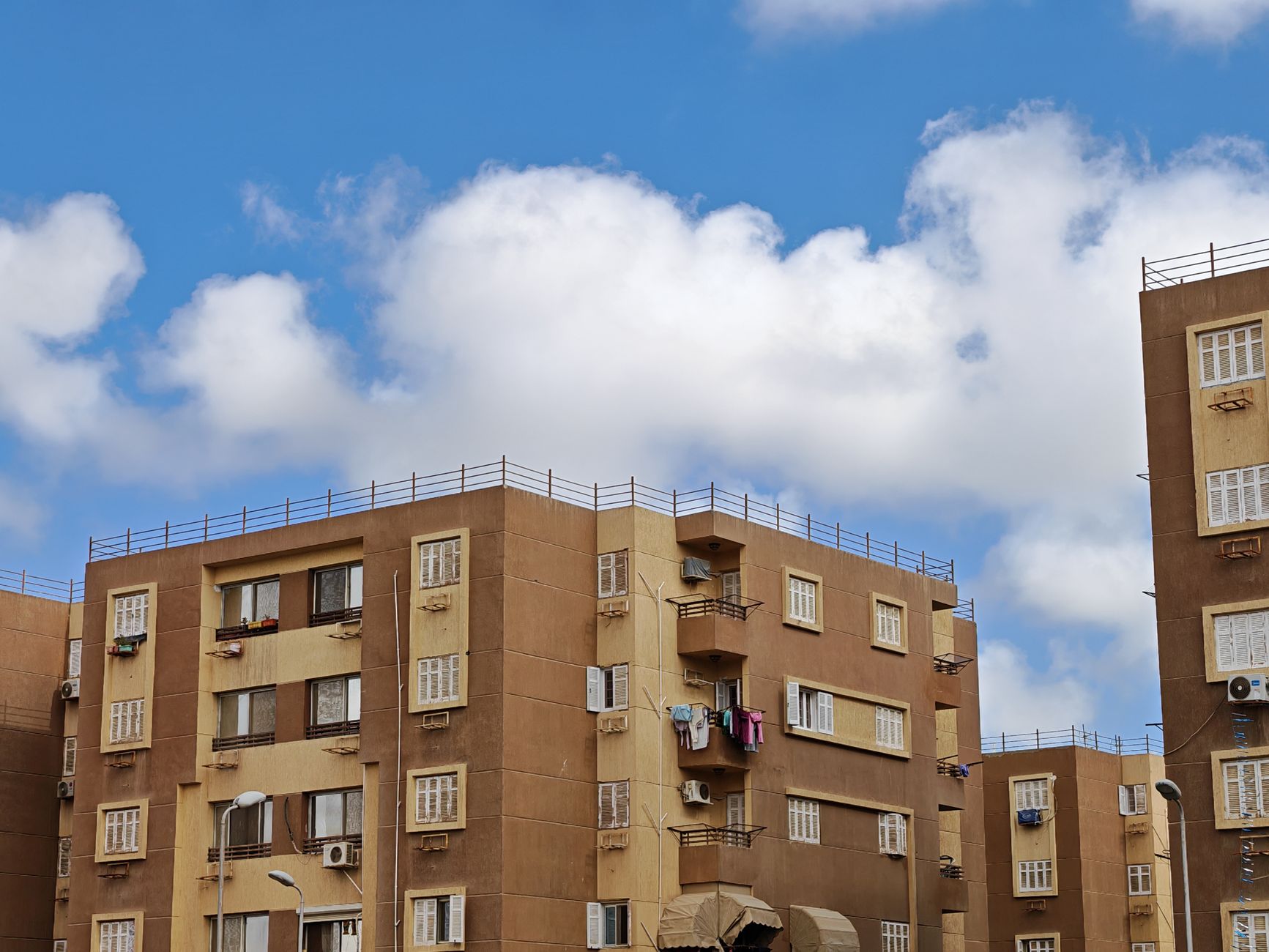
Cairo's first-time property buyers stand at a crossroads. While the average square metre in established neighbourhoods hovers around EGP 80,000, new policy initiatives announced this quarter—including expanded mortgage insurance schemes and revised urban planning restrictions—promise to reshape who can afford entry-level homes and where they'll build them.
The Central Bank's pilot programme to reduce minimum down payments from 20% to 15% on properties under EGP 2 million represents the most significant intervention in years. For a modest two-bedroom apartment in Heliopolis or Nasr City, this translates to savings of EGP 150,000 to 300,000—meaningful relief for professionals aged 25–35 saving through traditional channels.
Yet implementation remains uneven. Commercial banks participating in the scheme have tightened income verification requirements, effectively narrowing eligibility. Meanwhile, planning decisions affecting New Cairo and October City—the premium expansion zones where developers once offered preferential buyer financing—have introduced stricter environmental assessments. Delayed approvals have slowed new project launches, reducing choice precisely when demand from first buyers is climbing.
"Policy windows matter," explains the property market backdrop. Recent regulatory moves favouring integrated planning along the New Administrative Capital corridor have redirected developer capital away from traditional inner-Cairo submarkets. Zamalek and Maadi, historically insulated luxury enclaves, have seen negligible impact. But mid-market zones like Dokki, Agouza, and parts of Giza have experienced pricing volatility—up 8–12% year-over-year—as investors front-run policy uncertainty.
The grant landscape complicates matters further. While government housing initiatives supporting teachers, healthcare workers, and security personnel expanded eligibility this year, approval timelines stretched to 6–8 months. Private schemes through major employers—think Nile-side firms in central Cairo—remain inconsistent and underfunded.
For buyers navigating today's market, the message is mixed. First-timers with steady employment and families in established jobs should explore the revised mortgage insurance option before summer lending cycles tighten. Those betting on New Cairo or October City growth may find better prices now, before infrastructure improvements trigger another appreciation wave. But broader relief—the kind that might absorb demand across Helwan, 6th October, or eastern suburbs—depends on planning departments approving large-scale affordable housing projects faster than current timelines suggest.
The next 12–18 months will test whether policy innovation can outpace market consolidation. For now, first-time buyers remain caught between opportunity and uncertainty.
This article was compiled by AI and screened before publishing. See our editorial standards.