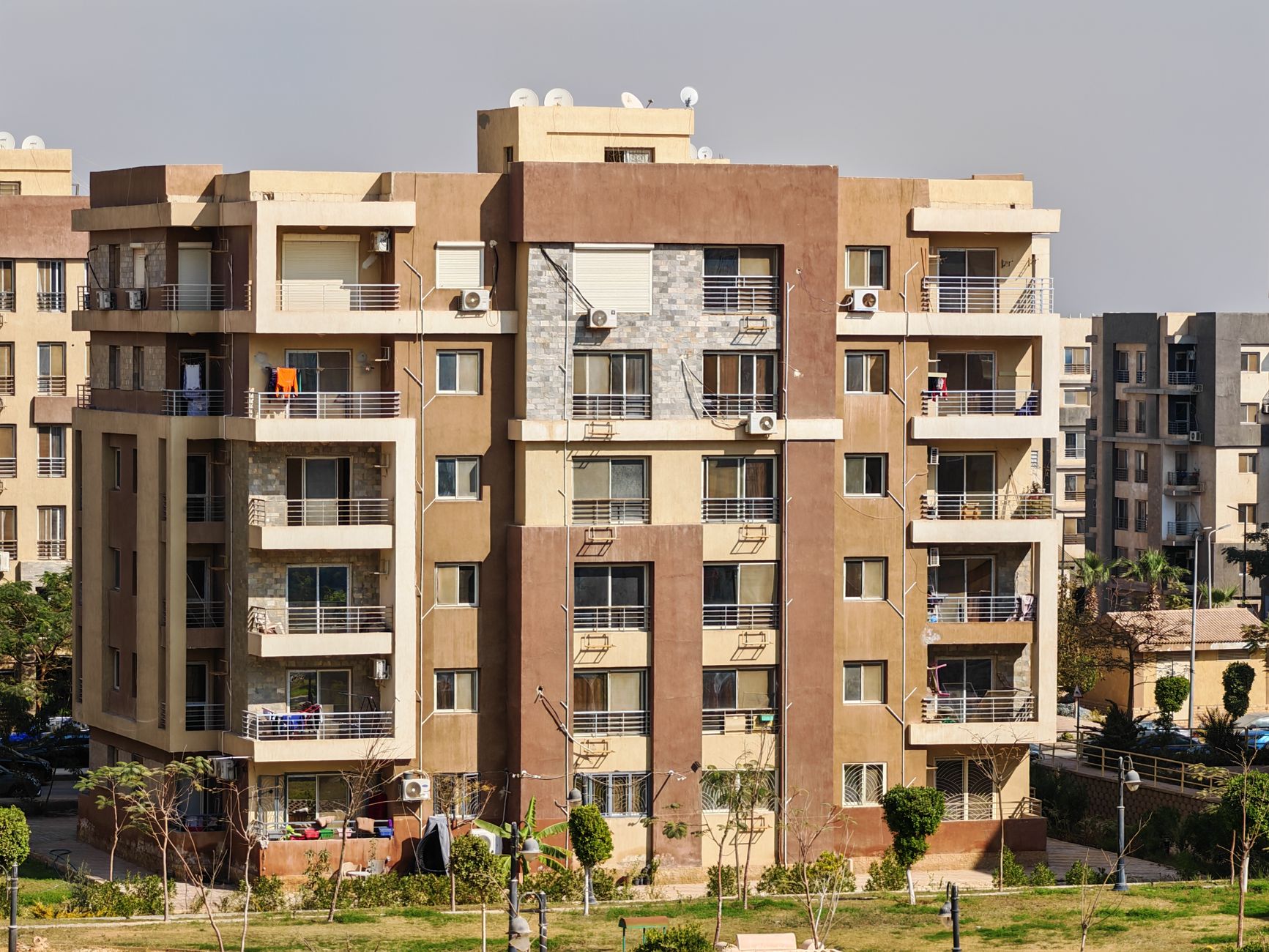
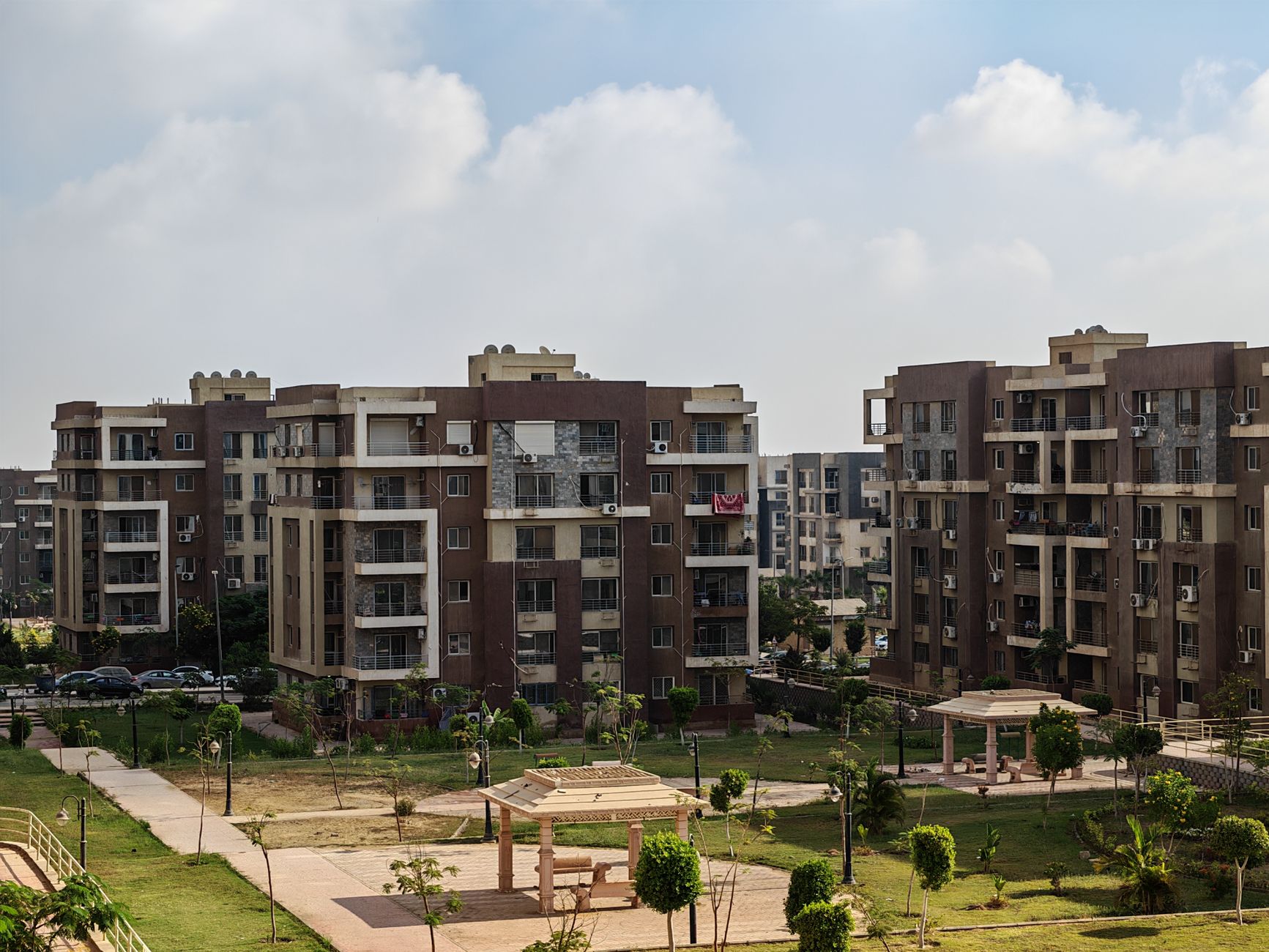
The New Administrative Capital may have captured headlines, but a quieter regulatory revolution is reshaping Cairo's traditional property market. Recent planning policy changes—particularly expedited approval timelines and revised zoning classifications—are triggering a wave of construction permits across New Cairo, October City, and the outskirts of Nasr City, with immediate consequences for developers, investors, and middle-market buyers.
The shift began earlier this year when Cairo's Municipal Planning Authority introduced a new fast-track approval framework for mixed-use developments within designated corridors. Projects meeting specific sustainability and infrastructure criteria now clear preliminary planning stages in under eight weeks, compared to the typical four-to-six-month process. For developers, this translates to faster capital deployment. For the market, it means an anticipated 23% surge in new unit launches throughout 2026, according to preliminary housing authority data.
October City, already Cairo's fastest-growing satellite district, has become the epicentre of this activity. The revised height restrictions—increased from 12 to 15 storeys in certain zones along Ring Road extensions—have unlocked density previously considered non-viable. Three major projects totalling over 2,500 units broke ground in the past six months alone, with launch prices hovering around EGP 75,000 to EGP 95,000 per square metre, below the EGP 80,000 citywide average.
New Cairo's premium neighbourhoods tell a different story. Stricter heritage overlay zones introduced around Fifth Settlement and near the American University in Cairo campus have constrained greenfield development, creating pent-up demand for renovation and adaptive reuse projects. A former commercial complex on Maadi Corniche Road recently received approval for residential conversion—a category-first under new guidelines—signalling potential supply from underutilised parcels across Maadi and Zamalek.
Yet market observers urge caution. While policy acceleration favours large-scale operators with capital to move quickly, smaller developers report confusion navigating amended zoning maps and overlapping jurisdictional reviews between local and governorate authorities. Additionally, the rush to launch projects has coincided with rising construction material costs, pressuring margins and delaying occupancy timelines for some 2024–2025 launches.
The question now facing Cairo's property sector is whether these policy changes attract genuine end-user demand or simply inflate supply pipelines. Early indicators suggest pragmatic buyers are capitalising on discounted launch pricing in October City and New Cairo peripheries—but sustained absorption will depend on employment growth, infrastructure completion, and whether planned metro extensions to these zones deliver on timeline.
For investors monitoring Cairo's development cycle, the policy window appears open—but closing soon.
This article was compiled by AI and screened before publishing. See our editorial standards.