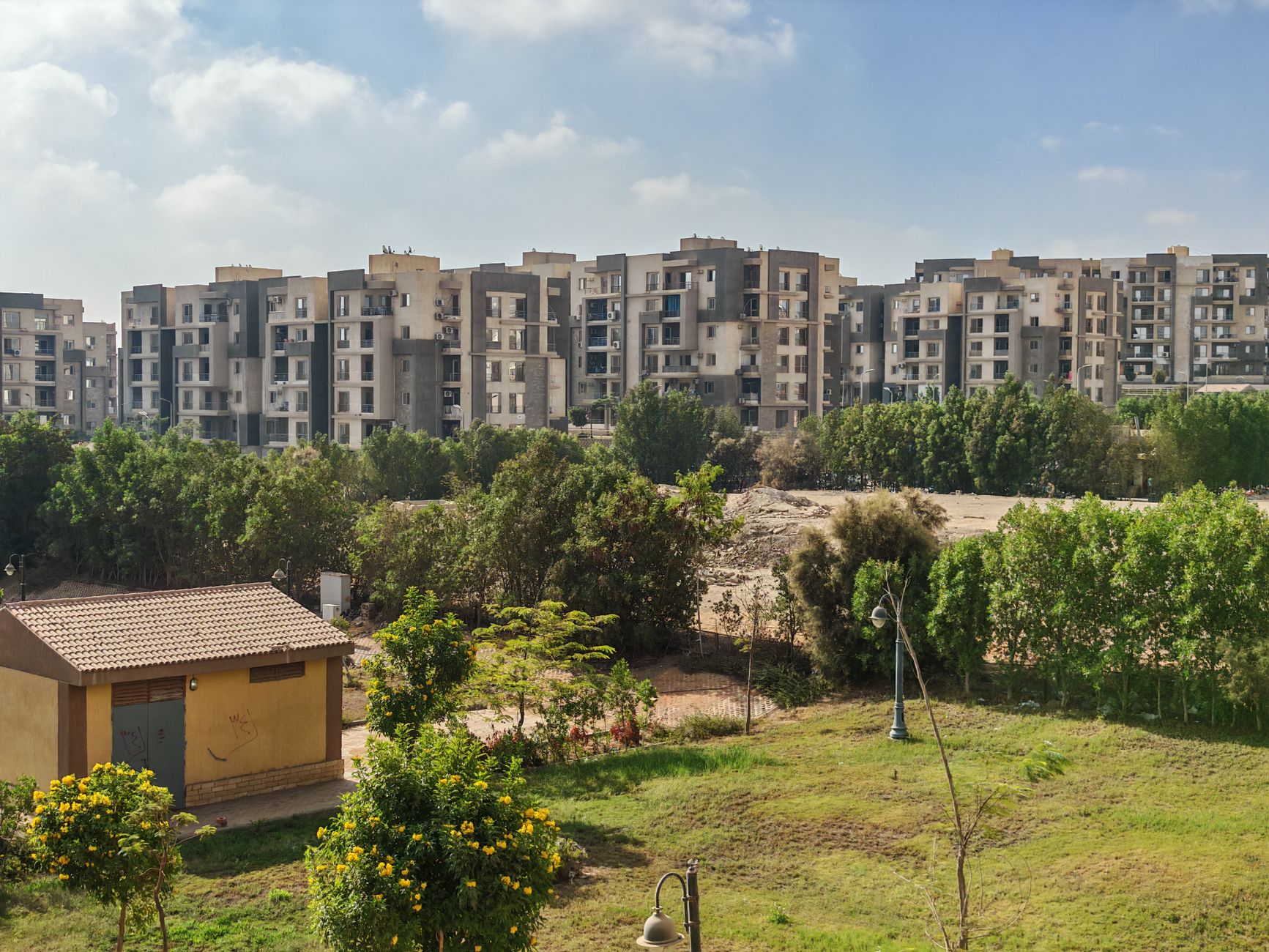
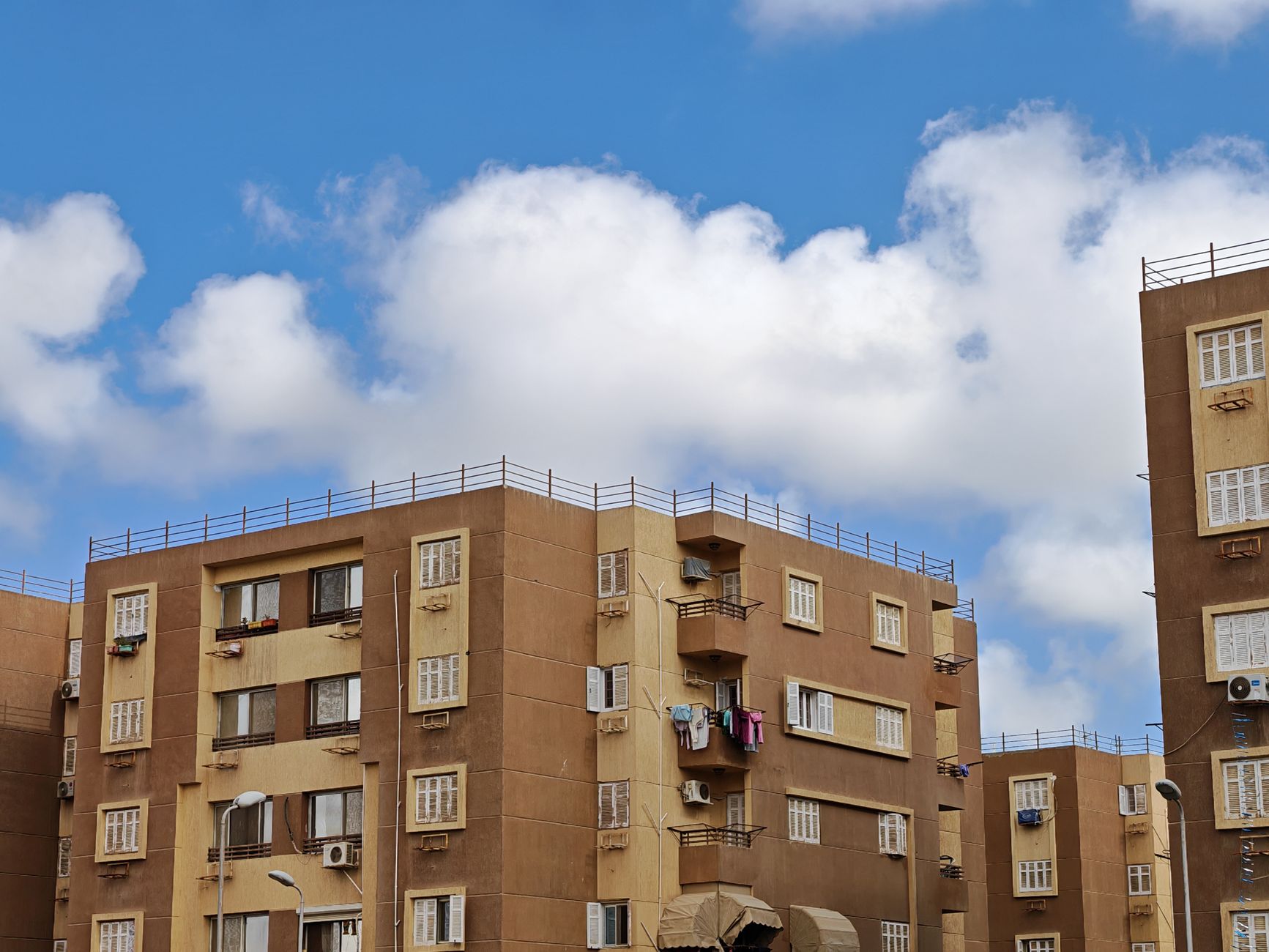
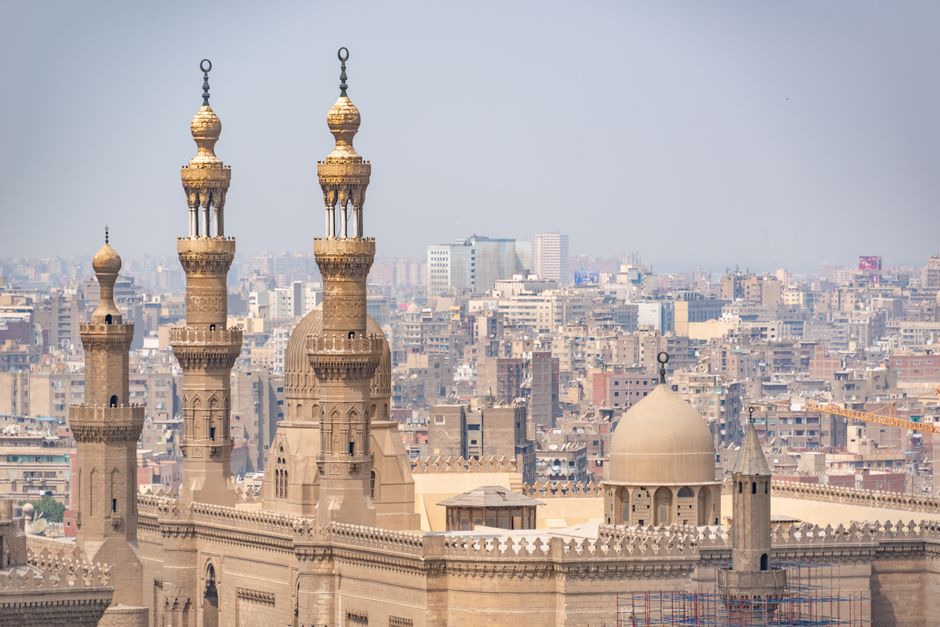
Cairo's property market has long operated as a tale of two cities: the gleaming towers of New Cairo and October City commanding premiums above EGP 150,000 per square metre, while peripheral areas struggle with undersupply and informal settlements. But a series of planning decisions announced this year—including mandatory affordable-unit ratios and revised zoning in the New Administrative Capital's surrounding zones—are beginning to reshape how developers price entry-level housing across the metropolitan area.
The policy shift centres on a revised Cairo Metropolitan Plan that requires residential developments above a certain size to dedicate 20–25 per cent of units to households earning below EGP 4,000 monthly. Previously, such requirements were inconsistently enforced or absent entirely. The impact is already visible: land values in secondary nodes like 6th of October City and Helwan's industrial margins—historically trading below EGP 40,000 per sqm—have stabilised rather than surged, even as demand for affordable units rises.
"We're seeing developers recalibrate their unit mix," says the Cairo Chamber of Real Estate, noting that mixed-income compounds are now common in projects west of the Ring Road. Projects in Badr City and New Cairo's outer fringe are experimenting with smaller footprints (60–80 sqm apartments) to hit price points near EGP 6–8 million—a psychological threshold for middle-income buyers previously priced out of formal developments.
Yet the rules carry unintended consequences. Land clearance rates have stalled in lower-value zones; developers are holding vacant plots rather than breaking ground when margins tighten. Meanwhile, the premium neighbourhoods—Maadi's tree-lined streets, Zamalek's island isolation, and the ultra-luxury New Cairo enclaves—remain largely exempt from social-housing mandates, deepening geographic inequality.
The New Administrative Capital's emergence as an alternative office and residential hub has also altered Cairo proper's dynamics. Younger professionals choosing NAC over Nasr City or Heliopolis is freeing up mid-market supply in older districts, though gentrification pressures are rising along the Nile Corniche and around Downtown revival zones.
Informal settlements—home to roughly 60 per cent of Greater Cairo's population—remain largely outside this policy framework. Upgrading initiatives in Manshiyat Nasser and Zawiya al-Hamra are proceeding slowly, with relocation quotas unfulfilled. Until informal communities are integrated into formal planning rather than treated as separate crises, Cairo's affordable-housing headline will remain incomplete.
The real test: whether these regulations survive implementation fatigue and whether they genuinely widen access or merely shuffle scarcity between postal codes.
This article was compiled by AI and screened before publishing. See our editorial standards.