Cairo's Rental Yields Show Promise Despite Rising Vacancy Rates—What Investors Need to Know
As vacancy rates climb across prime neighbourhoods, savvy investors are discovering which Cairo microzones still deliver competitive returns.
As vacancy rates climb across prime neighbourhoods, savvy investors are discovering which Cairo microzones still deliver competitive returns.
Cairo's rental market is sending mixed signals to property investors in 2026. While vacancy rates have edged upward across established residential zones, yield calculations reveal a more nuanced picture than headline numbers suggest—and opportunities remain for those reading the data carefully.
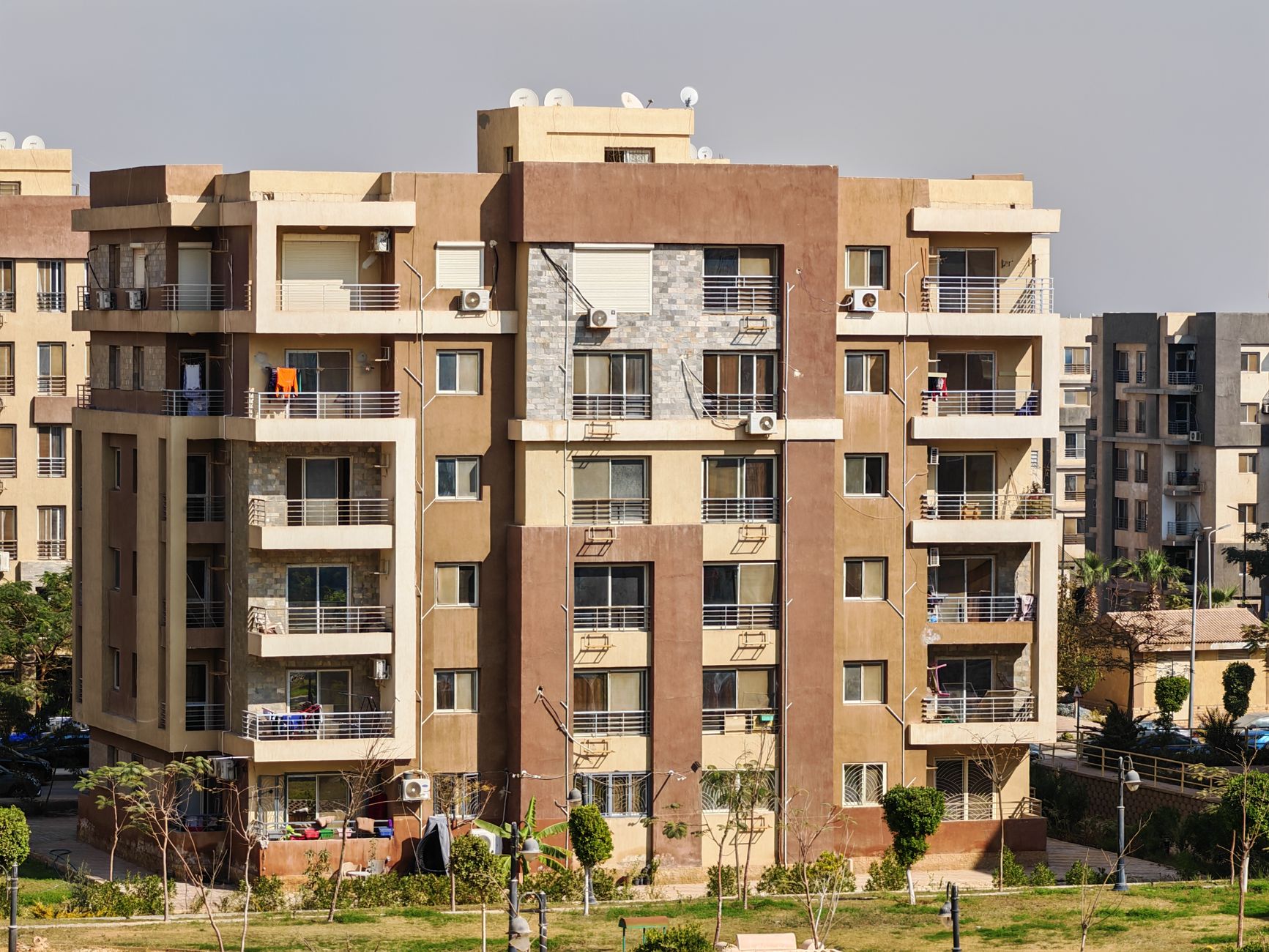
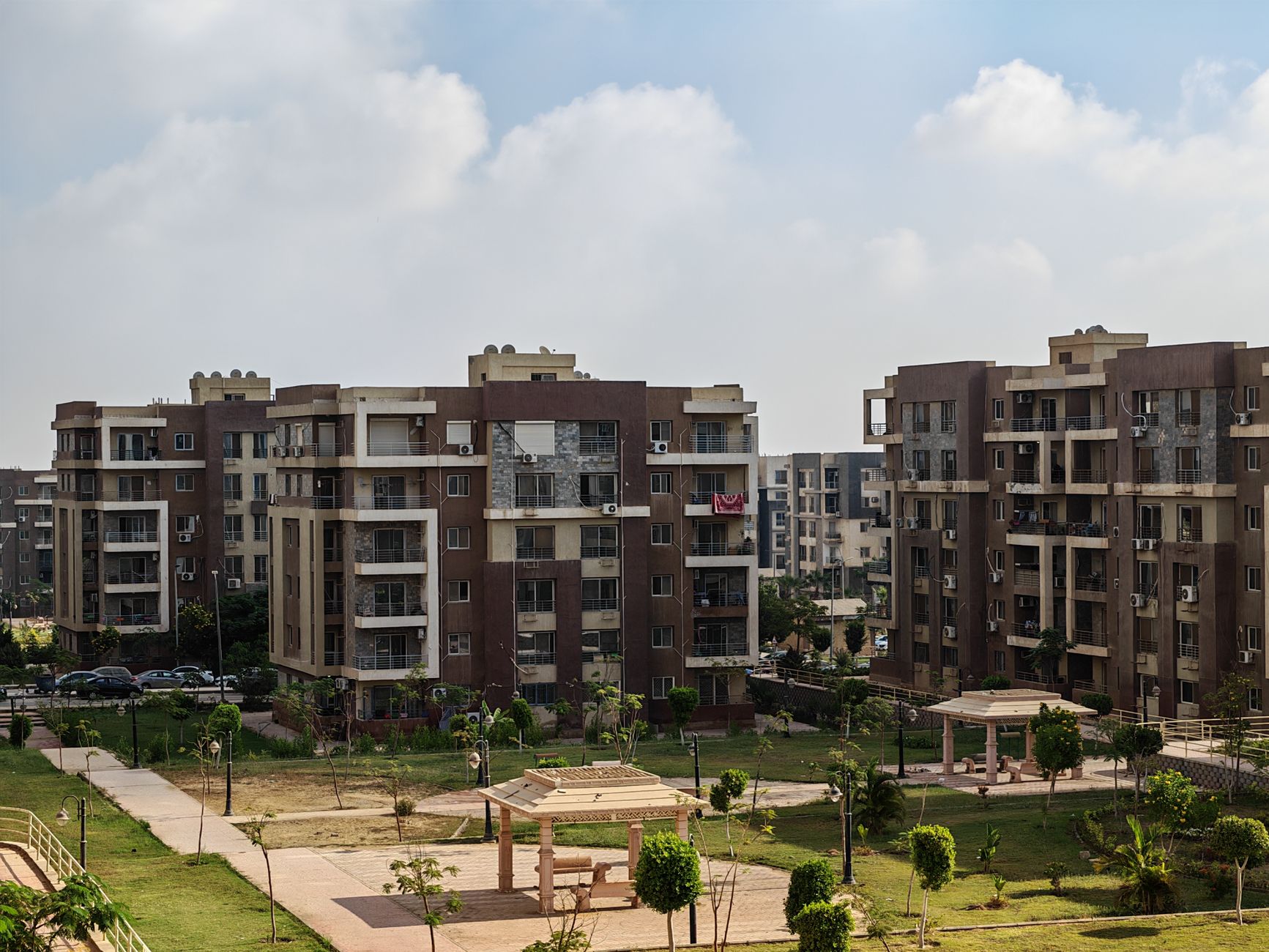
The Eastern expansion corridors—New Cairo and October City—continue to dominate investor attention. Properties around the Galleria Mall and along Ring Road in New Cairo report occupancy rates hovering around 78–82%, translating to gross rental yields of 5.2–6.1% annually for mid-range residential units. A two-bedroom apartment averaging EGP 4.5 million commands monthly rents of EGP 22,000–25,000, placing returns firmly in line with historical performance. Yet developers acknowledge vacancy windows between tenancies have widened to 4–6 weeks, up from the 2–3 week average two years prior.
Maadi and Zamalek tell a different story. The expat-anchored Maadi neighbourhood, particularly around Digla and Road 9, maintains tighter occupancy despite premium pricing. Properties here average EGP 95,000–110,000 per square metre, yet landlords report 85–88% occupancy year-round, buoyed by diplomatic families and multinational staff rotations. Zamalek island, historically Cairo's luxury stronghold, faces softening demand; vacancy rates have climbed to 12–15% as expatriate portfolios diversify toward New Administrative Capital satellite communities. Monthly rents for comparable units have plateaued at EGP 30,000–40,000, offering 4.1–4.8% gross yields.
The emerging New Administrative Capital is reshaping investor calculus. Purpose-built residential compounds targeting government employees and corporate headquarters relocations show 70–75% occupancy but offer yields of 6.5–7.2%—a premium justified by scarcity and demographic demand. However, infrastructure gaps and distance from established commercial hubs mean liquidity remains constrained; exit strategies require longer planning horizons.
Property managers across central Cairo report tenant-screening practices have tightened. Landlord associations now routinely conduct formal employment verification and require guarantor documentation, particularly following defaults during pandemic disruption. Operating costs—building maintenance, security, utilities management—have climbed 12–15% annually, eroding net yields by 0.8–1.2 percentage points.
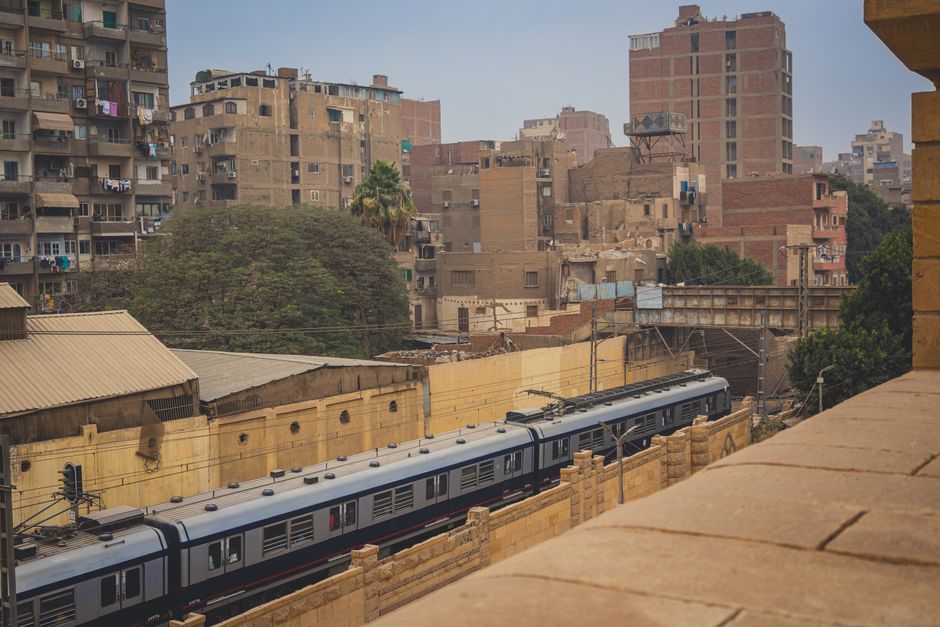
The numbers show investors should abandon the assumption that all central Cairo addresses perform equally. Micro-location matters acutely: proximity to Metro stations, schools, and expatriate employment clusters drives occupancy more than neighbourhood-level reputation alone. While headline vacancy rates suggest market softness, competitive yields in selective zones suggest that 2026 rewards disciplined, data-driven investors over generalised Cairo plays.
This article was compiled by AI and screened before publishing. See our editorial standards.
How does this story make you feel?
Spread the word
About this article
Published by The Daily Cairo
Daily brief
Free, in your inbox before 7am. Weekdays.
More in Property