Cairo's property market has long operated on two speeds: the sale market and the rental market. Today, those speeds are diverging sharply, creating a new tension between landlords seeking returns and tenants grappling with rising costs.
With average property values hovering around EGP 80,000 per square metre citywide, but commanding far steeper premiums in New Cairo and October City, landlords are reassessing their portfolios. Many who held long-term rental agreements signed five or ten years ago now face a strategic choice: maintain modest rental income or sell into a market where capital appreciation has been substantial.
The pressure is most acute in established expat enclaves like Maadi, where furnished apartments along Road 9 and Road 12 historically rented for EGP 35,000–50,000 monthly. Today, landlords are pushing for EGP 60,000–80,000, citing inflation, maintenance costs, and opportunity cost. For tenants—particularly mid-career expatriates and young professional families—these jumps represent genuine displacement risk.
Zamalek tells a different story. The island's luxury rental market has matured into a stable, if expensive, equilibrium. High-end villas and modern apartments maintain consistent demand from embassy staff and multinational executives, creating less volatility than in outer districts. Yet even here, owners are increasingly choosing to list for sale rather than manage long-term tenancies.
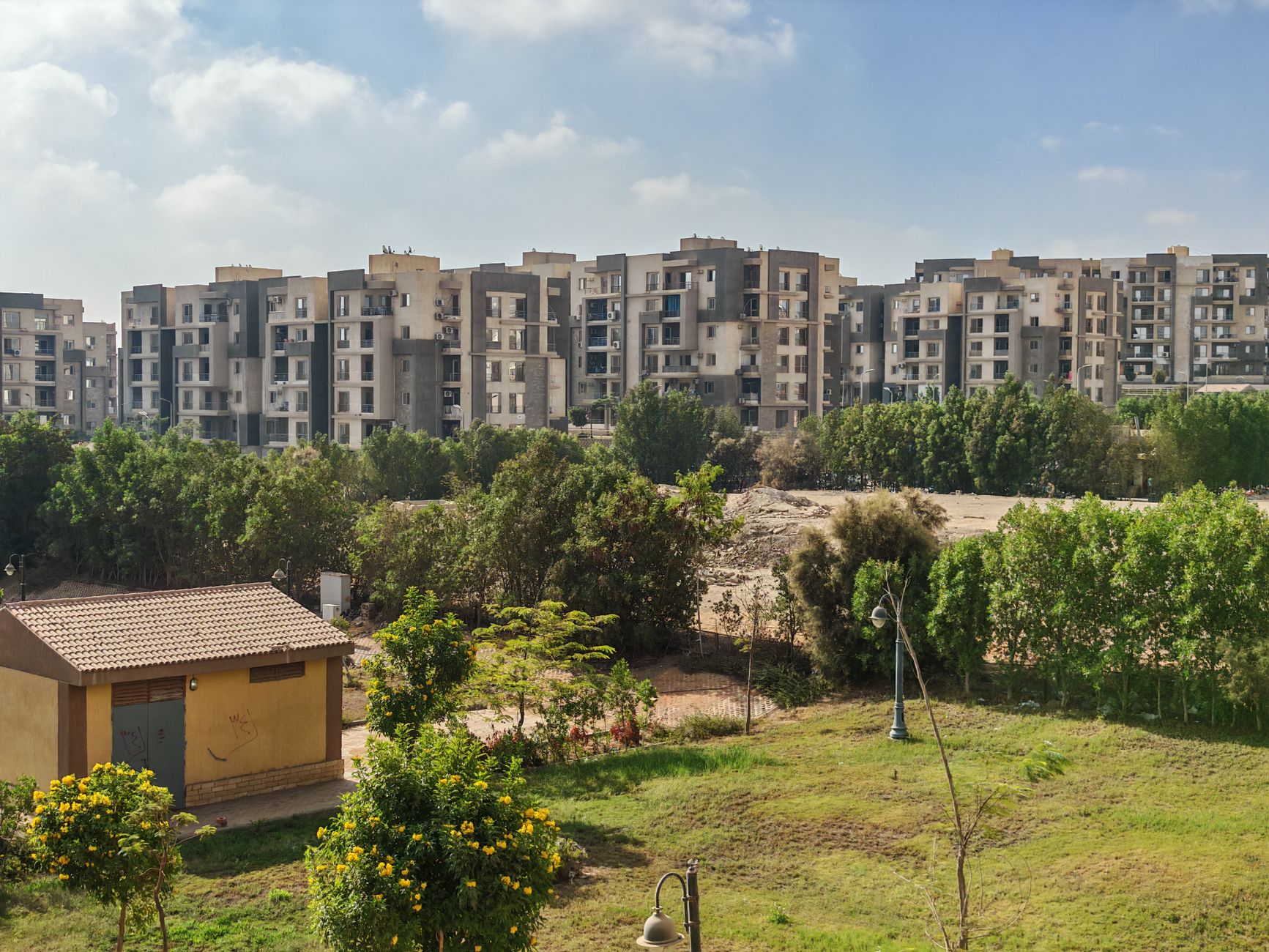
The New Administrative Capital has intensified this dynamic. As a subset of Cairo's wealthiest investors pours capital into NAC residential projects—where returns are theoretically higher—traditional Cairo rental supply has contracted. Real estate agents report that furnished units in New Cairo's upscale compounds are moving toward short-term tourism and corporate let models, rather than traditional annual leases.
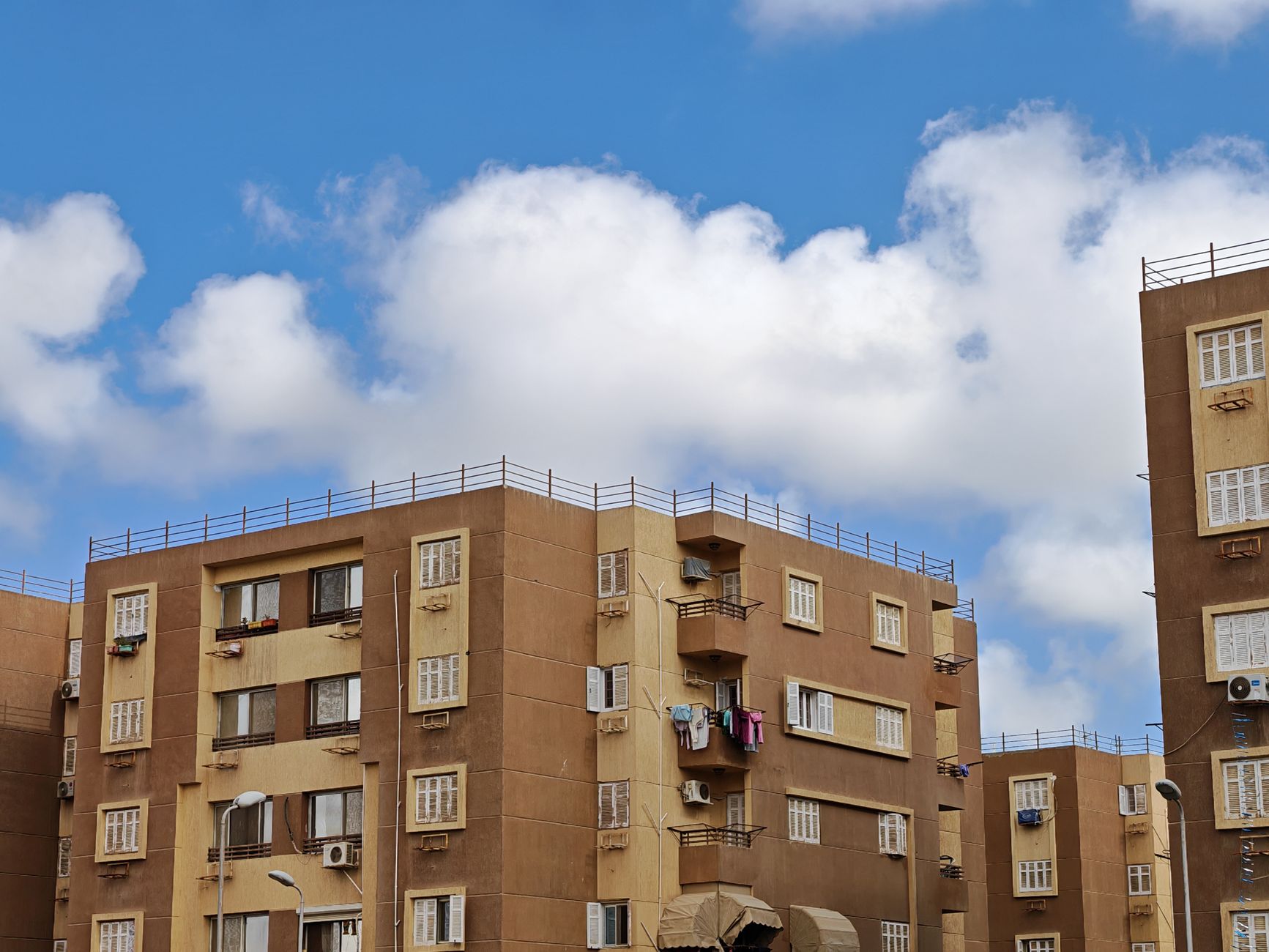
For ordinary Cairenes and mid-market renters, the impact is pronounced. Neighbourhoods like Heliopolis and Nasr City, which traditionally absorbed middle-income renters, are experiencing landlord-driven rent increases of 15–25 per cent on lease renewal. Tenancy disputes have risen accordingly, with many disputes centred on maintenance responsibilities and deposit returns.
Industry observers note that Cairo lacks the formal rental regulation frameworks that stabilise markets in comparable cities. The absence of rent-control mechanisms or standardised tenant protections means conditions shift rapidly based on owner sentiment and market temperature.
Going forward, the rental market's trajectory depends on whether new supply emerges to meet demand, and whether policy frameworks evolve to balance landlord returns with tenant stability. For now, Cairo's rental squeeze remains a defining feature of the broader property cycle.
This article was compiled by AI and screened before publishing. See our editorial standards.