First-Time Investor's Blueprint: Navigating Cairo's Rental Yield Maze
With yields ranging from 4–7% across prime districts, first-time landlords need strategy, not luck, to build wealth in Egypt's fragmented property market.
With yields ranging from 4–7% across prime districts, first-time landlords need strategy, not luck, to build wealth in Egypt's fragmented property market.
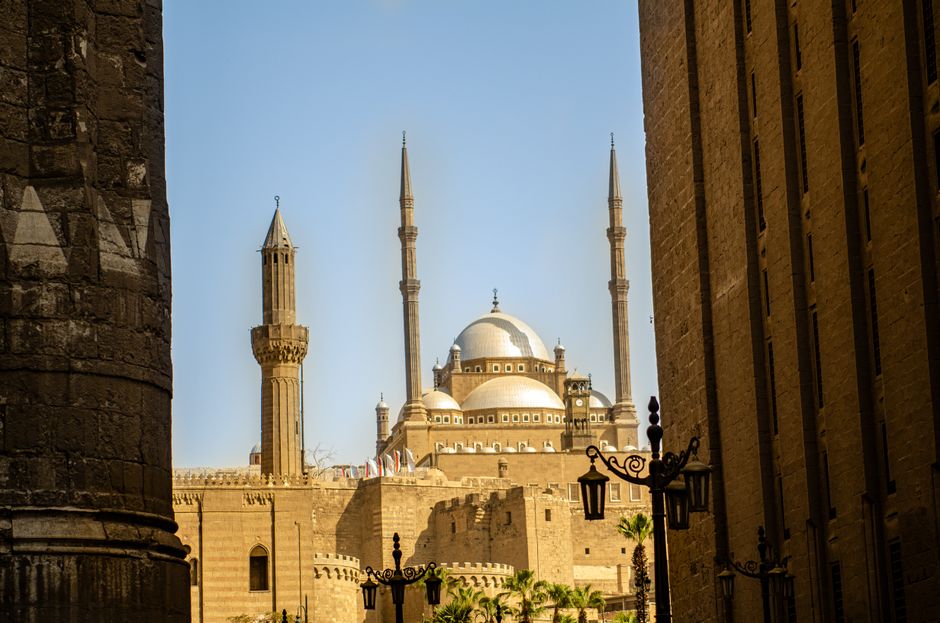
Cairo's property market remains a paradox for novice investors: abundant opportunity, opaque mechanics. At an average of EGP 80,000 per square metre citywide, entry barriers are lower than the Gulf, yet yield arithmetic demands rigour.
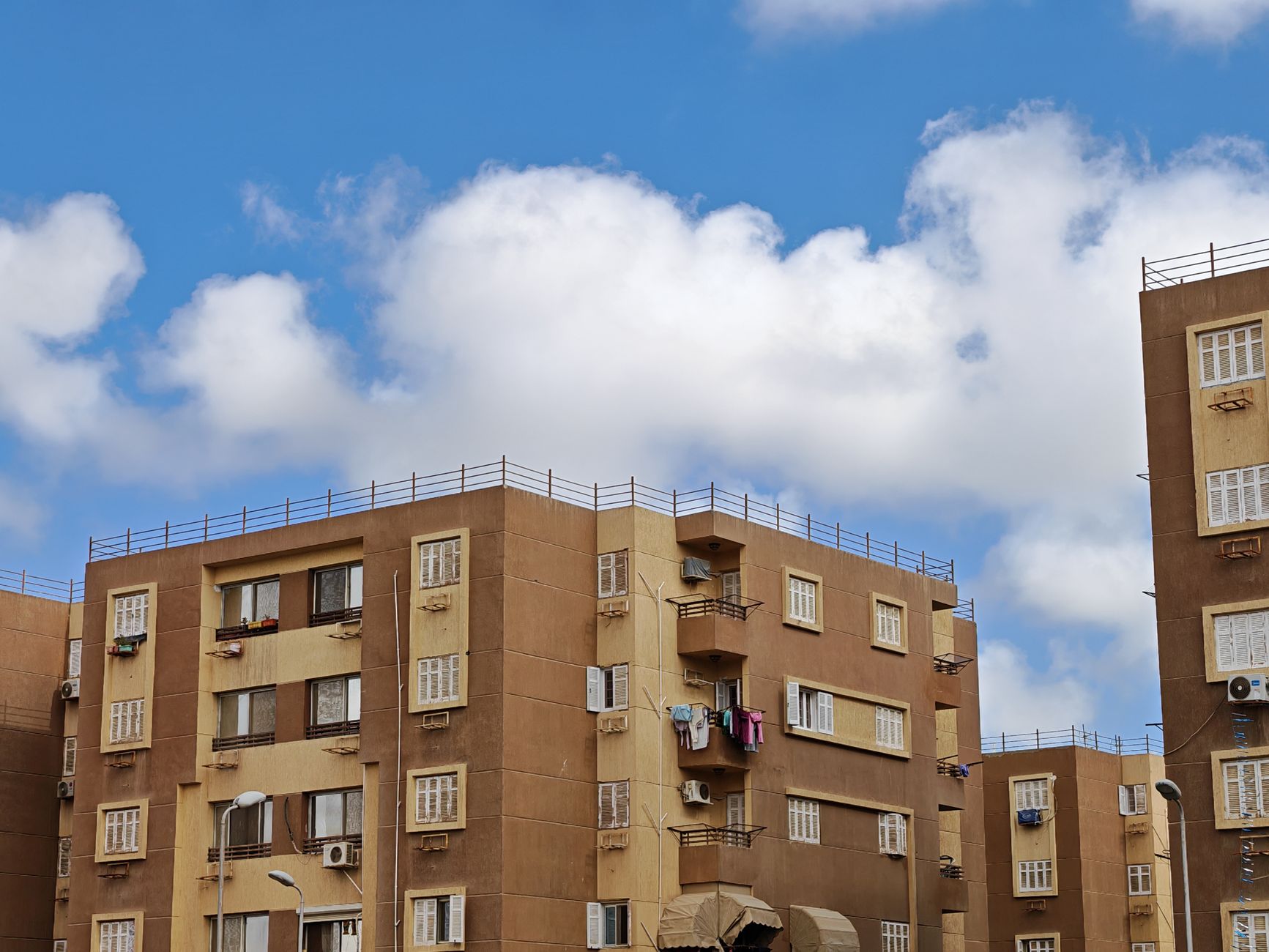
Start with geography. Maadi continues to attract expat tenants—corporate workers, embassy staff, diplomatic families—commanding rental yields of 5–6% on residential units. A two-bedroom apartment near Road 9 or around Corniche-adjacent zones will fetch EGP 4,000–6,000 monthly, against a purchase price of EGP 1.2–1.8 million. The maths work. Zamalek, despite premium valuations (often double Maadi's), yields 4–5%, offsetting glamour with tighter returns. New Cairo and October City present the yield sweet spot: emerging infrastructure, improving transport links, and rental demand from young professionals push returns to 5.5–7%. A modest two-bedroom in October City's main commercial strip costs EGP 800,000–1.2 million, with monthly rents of EGP 4,500–5,500.
The emerging wildcard is New Administrative Capital. Early adopters report 6–8% yields as government relocation progresses, though liquidity remains untested and tenant demand depends entirely on ministerial timelines.
First-timers must account for Cairo's hidden costs. Property taxes (5% transfer fee, borne by buyer), utility deposits, and essential upgrades—air conditioning, water filtration—eat 8–12% of capital before day one. Insurance is optional but advisable. Vacancy periods, common during summer exodus and economic slowdowns, can stretch 2–3 months. Budget accordingly.
Tenant vetting is non-negotiable. Formal lease agreements through organisations like the Cairo Chamber of Commerce protect both parties legally; informal arrangements invite disputes over maintenance responsibility and eviction timelines, which are slow. Require upfront deposit (typically two months' rent) and photographic documentation of unit condition.
Currency risk demands attention. The Egyptian pound's volatility affects expat tenants' purchasing power and remittance capacity. Dollar-indexed leases are common in Zamalek and Maadi but invite regulatory scrutiny. Negotiate in EGP where possible to simplify compliance.
Property management—collect rent, process repairs, manage tenant relations—consumes 5–8% of monthly revenue if outsourced to agencies. DIY ownership saves cash but demands time and cultural familiarity.
Finally, resist chase-the-yield thinking. Stability matters more than headline numbers. Maadi and New Cairo offer modest premiums partly because they deliver consistent tenants, lower churn, and predictable upkeep. In Cairo's property world, boring beats exciting.
This article was compiled by AI and screened before publishing. See our editorial standards.
How does this story make you feel?
Spread the word
About this article
Published by The Daily Cairo
Daily brief
Free, in your inbox before 7am. Weekdays.
More in Property